
At a Glance #
A Working Dog That Does Not Clock Out #
If you are deciding between this breed and a Shepherd, read German Shepherd vs Belgian Malinois before you read another paragraph. The short version lives there: if you have to ask which one, get the German Shepherd, and only if you already have working-dog experience. This page is for the person who is still here after that.
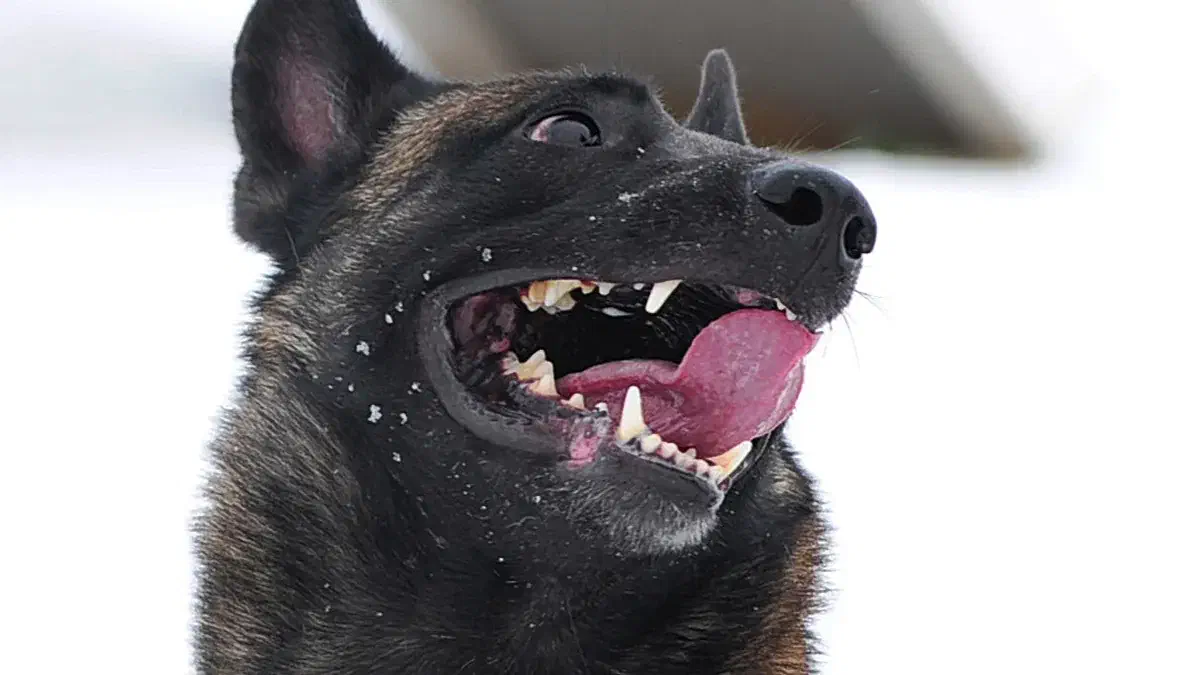
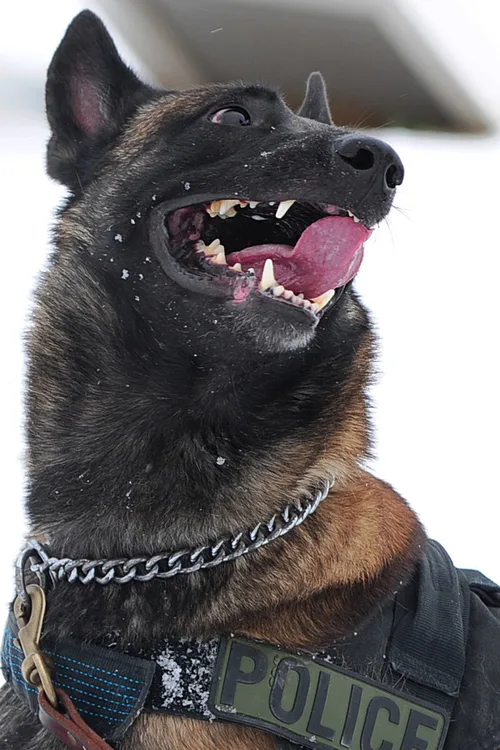
Males stand 24–26 inches and weigh about 60–80 pounds. Females stand 22–24 inches and weigh about 40–60. They look lighter than a Shepherd because they are built to move, not to block a doorway. Less mass is not less dog. The AKC standard asks for a dog who is alert, confident, and ready for action, showing neither fear nor aggression, and highly responsive to the handler. That last clause is the whole breed. Responsiveness without a handler who knows what they are reinforcing is how a smart dog learns the wrong job.
This is not a first dog. The first-time owner guide puts the Malinois on the do-not-start-here list for a reason. A missed cue does not bounce off them. They file it.
Temperament: Always Available for Work #
The breed standard’s temperament line is not marketing copy. A stable Malinois is confident rather than spooky, and sharp only when the situation earns it. A poorly bred or under-socialized one fills every silence with suspicion. You are buying a range, and the breeder’s selection is the range.
They bond to a person, then organize the day around that person. This is a velcro working dog. They track where you are, what your hands are doing, and whether the routine changed. That attention is the pleasant part, right up until you want an hour of being ignored. They do not offer that hour.
The off-switch is trained, and many never get a reliable one. A Shepherd can be taught to lie down and stay down. A Malinois can too, and it takes longer, and the default when the training slips is to invent a task. Staring at the ball on the shelf. Patrolling the fence. Mouthing your sleeve because your sleeve moved. “They calm down at two” is a sentence people say about breeds that were not selected to stay keen. Plan on adult drive, not a phase.
They are mouthy, and the mouth is how herding dogs steer things. Puppies grab. Adults who were allowed to grab keep grabbing. Play is fast and physical. Teeth on skin is not a quirk you laugh off at six months and then act surprised by at eighteen. Bite inhibition is a daily skill in this breed, not a puppy class footnote.
Arousal climbs faster than it falls. Doorbells, joggers, the other dog across the street, a plastic bag in the wind. The breed notices, and the noticing comes with a body that is ready to go. A well-trained dog can be called off that spike. An untrained one rehearses it until the rehearsal is the personality. Barrier frustration along a fence is a common version. So is leash reactivity that started as excitement and got rewarded by the other dog going away.
Strangers get an assessment, not a party. Correct temperament is reserved without being fearful. Guests who come in and sit down can be accepted. Guests who rush the dog, or a dog who never met strangers during the socialization window, are a different story. They are not a breed that makes the mailman feel loved. If that is the goal, this is the wrong page. Best Guard Dogs separates alarm, deterrence, and personal protection. A Malinois is the third category, and most houses needed the first or the second.
They are vocal when the work is missing. Alert barking is normal. Demand barking, fence barking, and the high frustrated scream some of them develop in a crate or behind a door are management failures you can hear from the sidewalk. You can teach a quiet cue. You cannot teach the breed to have nothing to say.
One Breed Name, Four Coats #
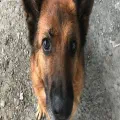
The Malinois is the short-haired fawn variety of the Belgian shepherd. In FCI countries the Malinois, Tervuren, Groenendael, and Laekenois are varieties of one breed, the Belgian Shepherd. The AKC registers them separately. The Malinois was recognized in 1959.
| Variety | Coat | What people confuse |
|---|---|---|
| Malinois | Short, fawn to mahogany, black mask and ears | The dog on this page |
| Tervuren | Long fawn with black overlay | A “fluffy Malinois.” It is not. |
| Groenendael | Long black. The AKC calls this the Belgian Sheepdog | Not a black Malinois |
| Laekenois | Rough, wiry fawn | Rare, and still a working herder |
Buy the coat you think you are buying. A long coat is a different breed in the United States, with the same kind of work drive and a heavier grooming bill. A “rare black Malinois” sold at a premium is a sales pitch. The standard color is fawn to mahogany with black tipping, a black mask, and black ears. A small white patch on the chest or toes is allowed. Lack of undercoat is a fault. The coat is supposed to be short, straight, and hard enough to shed weather.
Lines Matter More Than the Breed Name #
| Line | What it was selected for | What you live with |
|---|---|---|
| KNPV, ring, mondioring, IGP, PSA | Bite work, obedience under stress, endurance | A sport dog. Needs a club, a decoy who is not you, and a life arranged around training |
| Detection, patrol, sport-cross | Search endurance, environmental stability, drive for a toy | Often environmentally solid, and still not a couch dog. The toy is the paycheck |
| Conformation | The standard’s outline and a workable temperament | Lower drive than a trial dog is possible. “Lower” still is not a Labrador |
| Backyard “military bloodline” | A story | The highest risk. Drive without selection for nerves, and no health paperwork |
Dogs from serious working kennels are often the most environmentally stable, because fear washes a dog out of the job. They are also the least appropriate pet. A dog bred to hunt a sleeve does not become neutral about sleeves because you live in a suburb. If you do protection sports, you already know you need a club. If you do not, do not start bite work in the yard because a video looked clean. Rehearsing a bite without a decoy and a training plan is how a dog learns that gripping people solves arousal.
“SEAL bloodline” is a marketing phrase. Cairo, a Malinois with the unit that raided Bin Laden’s compound in 2011, was a military working dog with a job, a handler, and a program. The story is not a pedigree.
Training: They Learn the Accidents Too #
Malinois are extraordinarily trainable. That sentence is the trap. They learn a sloppy recall, a barked demand, and a muzzle punch in as few repetitions as they learn a formal retrieve. Biddable means the dog will do what you accidentally paid them for.
What you actually have to teach #
-
A marker and a paycheck they care about. Food works for precision. For a lot of these dogs the real currency is a ball or a tug, and the toy has to be earned and then put away. A ball left on the floor is not enrichment. It is an open bar.
-
An “out” that works when they are excited. Drop the toy. Drop your sleeve. Drop the leash. If the only out they know is when they are tired, they do not know it.
-
Settle, on a mat, while the house is boring. Five minutes of nothing is a skill. Build it before you need it at the cafe, the vet, or the front door. A dog who can only be still when exhausted is a dog you have to exhaust every day of its life. You will lose that race.
-
Socialization with a point. From 8 to 16 weeks, the job is the world at a volume the puppy can handle: people in hats, slippery floors, crates, nail trims, other dogs at a distance, kids sitting still rather than kids screaming and running. Flooding a Malinois puppy with a dog park is not socialization. It is practice at being overwhelmed. The window closes. An adult who missed it is a management project with teeth.
-
Impulse control before strength. Sit before the door. Wait before the meal. Leave the squirrel. A 70-pound adolescent who was never told to pause will body-check you, and they will not understand why you are angry. They did the thing that worked last time.
-
A handler who is boring under pressure. They read hesitation. If you tighten the leash every time a dog appears, you have announced that the dog is a problem. Calm, consistent, fair. Harsh corrections shut some of them down and make others sharper. Dominance scripts are a bad fit for a dog this sensitive and this fast. So is permissiveness. The middle is clear criteria and consequences that do not scare the dog.
Professional help is normal, not a failure. Budget a trainer who has lived with the breed before you budget a themed collar. A general puppy class is a start. It is not the plan.
What happens without the work #
Bored, under-exercised Malinois chew through drywall, door frames, and crates. They spin, pace, and fixate on light and shadow the way an unemployed Border Collie does. They practice protection on delivery drivers. They bark until the neighbor calls. Shelters and rescues know this dog. The surrender story is almost always the same: the puppy was impressive, the adolescent was a lot, and nobody had a job for the adult.
Exercise: Two Hours Is the Start #
A walk around the block is a bathroom break. The AKC’s own care notes say daily walks are not enough and that the breed needs to work beside the owner. Handlers who actually keep these dogs sane talk about two to three hours of real activity most days, and a large share of that has to be mental. A tired body with an idle brain still dismantles the house at 9 p.m.
What counts:
- Running, biking, or hiking, once the growth plates have closed. Puppies get short sessions and training, not mileage
- Obedience, agility, herding, tracking, scent detection, or a real protection sport with a club
- Nose work and “find it” games. Fifteen focused minutes can do more than a pointless hour of trotting
- Training that ends while the dog still wants more. Stopping on a win is how you get an off-switch. Stopping when you are bored, mid-arousal, is how you get a dog who escalates
What does not count: a yard. A yard is a smaller room with weather. An unfenced yard is an exit. These dogs jump, climb, and dig. A six-foot fence is the ordinary recommendation, and even that fails if the dog is unpaid and athletic. Off-leash freedom is for a recall you have proof of, in a place where a squirrel cannot end the experiment. Prey drive is not a training flaw. It is the breed.
Heat is the injury people forget. A short coat does not make an all-day worker heat-proof. They will keep working past the point a sensible dog sits down. You stop the session. In deep cold, a thin dog standing still needs a coat. The breed is not fragile. It is bad at quitting.
Living With One #
Kids. A poor match for young children. The play style is grabbing, the speed is higher than a child’s, and herding nips at running feet are the breed doing the original job. “We will supervise” is not a plan when supervision blinks. Older kids who move predictably, do not tease, and are not the dog’s playmates-by-chase can coexist with a stable, well-trained adult. Do not buy a Malinois as a child’s dog, a babysitter, or a project to “grow up together.” If you want a guardian that can live with kids, start with the Shepherd guide and the guard dog roundup, and be honest about whether you needed a deterrent instead of a sport dog.
Other dogs. Possible with early, careful socialization, and never guaranteed. Same-sex friction shows up often, especially in intact adolescents. Dog parks are a bad default: arousal, rude greetings, and no job. A second dog is not a treadmill. People buy one so the Malinois will “tire itself out,” and then they have two dogs and a fight.
Cats and small pets. Prey drive is real. A cat the puppy was raised with can be fine. A cat that runs, a neighbor’s cat, a rabbit in the yard: do not bet the cat. Management and a solid leave-it are the minimum. Trust is earned one animal at a time.
Apartments. No, unless the work happens outside every day and the building can tolerate an alert bark. Most cannot. A Malinois in a flat with a lunchtime walk is how the baseboards get a hobby. If a flat is the constraint, use Best Apartment Dogs and close this tab.
Time alone. They bond too tightly for a house that is empty eight or ten hours. A midday walker helps and does not replace a job or a person. Separation practice has to start in puppyhood, in short stretches. A dog left to rehearse panic will destroy the crate and the wall behind it.
Housing and insurance. Leases and policies sometimes restrict shepherds, and a dog that looks like a police dog gets an extra conversation at the leasing office. Confirm the breed name in writing before you are attached to a puppy you cannot legally keep.
Health: Fewer Structural Problems, Not a Free Pass #
The AKC lists life expectancy at 14–16 years, longer than the German Shepherd’s 9–13. That is the club figure for a breed that dodges a lot of the Shepherd’s orthopedic and degenerative myelopathy burden. It is not a guarantee, and a durable dog with no off-switch is still a full-time hobby. The practical risks are the ones below, plus the injuries athletic dogs collect: pads, cruciate ligaments, broken teeth, heat stress.
Common Health Problems #
| Condition | What the records show | Notes |
|---|---|---|
| **Hip dysplasia** | About 5.2% of OFA-evaluated dogs | Low next to Shepherds, not zero. That figure is screened dogs through 2015, and unscreened dogs are missing from it. |
| **Elbow dysplasia** | Screen | The national breed club lists elbow evaluation with hips. Front-end lameness in a dog that jumps for a living is not always "just a sprain." |
| **Eye disease** | Screen | An ophthalmologist evaluation is the third club recommendation. Cataracts and progressive retinal atrophy are the conditions serious breeders talk about. |
| **Idiopathic epilepsy** | Ask by pedigree | Seizures show up in Belgian shepherds often enough that a vague answer is a reason to leave. There is no single DNA clear-out you can buy instead of a pedigree. |
| **Soft-tissue and tooth injury** | Occupational | Balls on concrete, repetitive jumping, and bite work break dogs. The vet bill is the sport, not a surprise. |
| **Bloat (GDV)** | Possible | Any deep-chested dog can twist a stomach. Know distended abdomen, unproductive retching, and restlessness. It is an emergency, not this breed's headline disease. |
What to demand from a breeder:
- Hip and elbow results on both parents, published, not “our vet said they’re fine.” OFA or an equivalent that you can look up. The 5.2% hip figure comes from dogs someone bothered to evaluate. Dogs from sellers who skip x-rays are not in that number.
- A current ophthalmologist exam (CAER or the equivalent) on the parents.
- A straight answer about seizures, temperament washouts, and why the last litter’s buyers were chosen. A good breeder is picky about you. A seller who will ship a puppy to anyone with a deposit is selling a problem with fawn fur.
The American Belgian Malinois Club’s recommended tests, as listed by the AKC, are hip evaluation, elbow evaluation, and an ophthalmologist evaluation. That is the minimum, not a gold star.
The Coat: Easier Than a Shepherd, Not Hairless #
Short hair is why people think Malinois do not shed. They shed. The coat is a short, dense double coat, and twice a year it comes out in clumps that weave into upholstery. Volume is lower than a German Shepherd. The hairs are finer and harder to see until you are wearing them. If fur on the couch is the deal-breaker, you still have fur, and you have traded the Shepherd’s mess for a dog that is harder to live with. Pick the mess on purpose.
| Task | Frequency |
|---|---|
| Brushing | Weekly. **Daily** during the twice-yearly blow |
| Bathing | Every 6–8 weeks, or when the dog is actually dirty |
| Ear cleaning | Weekly |
| Nail trimming | Every 3–4 weeks. Work wears them down. Check anyway |
| Teeth brushing | 2–3 times per week. Bite work and tennis balls break teeth |
A rubber curry or hound glove does the weekly job. A slicker or undercoat rake earns its keep during a shed. They do not need a salon haircut. They do need you to touch their feet, ears, and mouth while they are young, because an adult who has decided nail trims are optional is a two-person job.
Diet #
An active adult often lands around 2–4 cups of a performance-appropriate food a day, split into two meals, adjusted to the work rather than to the bag’s flattery. A dog in serious training eats more than a dog having a light week. Treats and tug sessions are calories. These dogs get fat when the work drops and the food does not, and they get thin when someone feeds a pet formula to a dog doing sport miles.
Feed so the stomach is not full before a hard session. No all-out work for about an hour before or after meals. Keep the emergency vet in the phone for the bloat signs above. Fresh water stays out. A dog this driven will skip drinking if the game is still on. You pause the game.
History: A Farm Dog That Kept the Job #
The name comes from Malines, the French name for Mechelen, in Belgium. In the late 1800s, when Professor Adolphe Reul and the Club du Chien de Berger Belge started sorting the local herding dogs into a breed, coat type tracked region. The short-haired fawn dogs around Mechelen became the Malinois. The job was sheep, then farm and family, then police. Belgian police were using the type early in the twentieth century because a short coat and a tireless outline were practical.
The United States was slower. The AKC recognized the Malinois in 1959, long after the German Shepherd had become the default picture of a police dog. Working units came back to the Malinois because the dogs were lighter, often sounder in the hips, and willing to stay in the problem longer than a pet dog finds reasonable. That is a selection story, not a personality you can turn down with a training class.
You will hear about Cairo, the Malinois on the 2011 raid. Treat it as history of the job, the way the Doberman page treats Marine war dogs. It is a bad shopping guide. Military programs wash out a large share of the dogs they breed. The washouts are not calmer pets. They are dogs who did not fit that program.
Who Should Get a Belgian Malinois? #
Get a Malinois if:
- You already live with training. Not “we did puppy class.” Daily, specific, for years
- You have a real outlet: a club, a detection hobby you will actually practice, herding, or a working role
- You have had a Shepherd, a Border Collie, or a similarly driven dog and found the ceiling too low
- You can fence the property, keep the dog out of an empty house all day, and hire help when you are over your head
- You want a partner who is on, and you are honest that “on” includes days you are tired
Do not get a Malinois if:
- This is your first dog. Start with a Labrador or a Golden
- You wanted a Shepherd and someone told you the Malinois is the upgraded model. It is a different job. Read the comparison
- You have young children, a cat you cannot manage, or a dog park as the exercise plan
- You are gone all day, live in an apartment, or think a yard is exercise
- You want protection and you do not want to train. Buy an alarm and a better lock, or read Best Guard Dogs and pick a deterrent you can actually live with
- The appeal is the gear, the video, or the breed’s reputation. The dog does not care why you bought it. The dog needs the work anyway
The Bottom Line #
The good: Serious working ability, a long working life when the structure is sound, and a bond that is closer to a partner than a pet. Hips are a brighter story than the Shepherd’s. The coat is simpler. A stable, employed Malinois is an extraordinary dog to live beside, if your life is built for it.
The bad: The drive does not retire. Two to three hours is an ordinary day, and mental work is half of it. Mouthiness, reactivity, and compulsive habits show up fast when the job is missing. Young children are a bad fit. The cheap puppy is the expensive one, because the seller skipped hips, eyes, and temperament. Not a beginner’s breed, and not a breed you get “just in case” the Shepherd is not enough.
Frequently Asked Questions #
Are Belgian Malinois good family dogs?
Belgian Malinois vs German Shepherd — which should I get?
How much exercise does a Malinois need?
Do Belgian Malinois shed a lot?
How much does a Belgian Malinois puppy cost?
Can a Malinois live in an apartment?
Are Belgian Malinois aggressive?
What is the difference between a Malinois and a Belgian Tervuren?
Similar Breeds #
- German Shepherd — the livable working dog, if you already have the reps. Heavier coat, more orthopedic disease, a real chance of an off-switch. Full comparison →
- Doberman Pinscher — a personal guardian with less herding mouth and a serious heart-disease burden
- Rottweiler — heavier, calmer, a deterrent more than a sport dog
- Border Collie — equal obsession, aimed at stock and motion instead of protection
- Australian Shepherd — still a herding project, a step down in intensity from this page
- Best Guard Dogs — if the goal was a family that is harder to walk in on, start there instead of here
Sources #
- AKC Belgian Malinois breed page — height, weight, 14–16 year life expectancy, grooming, and the parent club’s recommended health tests
- AKC Belgian Malinois breed standard — coat, color, and temperament
- Oberbauer, Keller, and Famula (2017), PLOS ONE — about 5.2% of OFA-evaluated Malinois hips were dysplastic in records through April 2015. Screened dogs only
- Puppy pricing based on 2025–2026 US breeder listings, consistent with the Shepherd vs Malinois comparison
- Portrait: U.S. Air Force photograph of a military working dog (public domain)