
Best Dogs for First-Time Owners #
Your first dog should be forgiving. That means a breed that does not fall apart when your timing is sloppy, does not invent a new career in demolition every time a walk runs short, and does not require you to already be a trainer. These 10 breeds are the most beginner-friendly dogs we cover. None of them are “no work.” They are dogs whose failure mode is inconvenience, not a dog you cannot safely live with.
“Beginner” is not the same as “small,” “popular,” or “low energy.” A French Bulldog can be easy to walk and brutal to pay for. A Border Collie learns faster than you do and will invent a job if you do not give it one. Speed of learning is not the same as being easy.
What “forgiving” means #
A first dog goes well when most of these are true:
- They want to cooperate. Food, praise, or play works. You are not negotiating with a dog whose hobby is ignoring you.
- The exercise has a ceiling you can hit on a bad day. Sixty focused minutes is a life. Two hours of intense work is a different life.
- Mistakes do not become fear or aggression. Sensitive is fine. A dog who punishes your inexperience is not a starter dog.
- The health story is one you have already read. A beginner can handle a Golden. A beginner who has not read the cancer section cannot.
If the home is an apartment, layer this list with Best Dogs for Apartments. If the home has kids, use Best Family Dogs — the overlap is large and not total.
| You want | Better first dogs here | Not a first dog |
|---|---|---|
| A classic family sporting dog | Golden, Labrador | Husky, German Shepherd |
| Small and social | Cavalier, Havanese | Chihuahua if barking or fragility worries you |
| Low shed | Poodle, Miniature Schnauzer | A doodle you have not met the parents of — see Poodle vs Doodle |
| A guardian | None of these are that job | Start with experience, then Best Guard Dogs |
1. Golden Retriever #
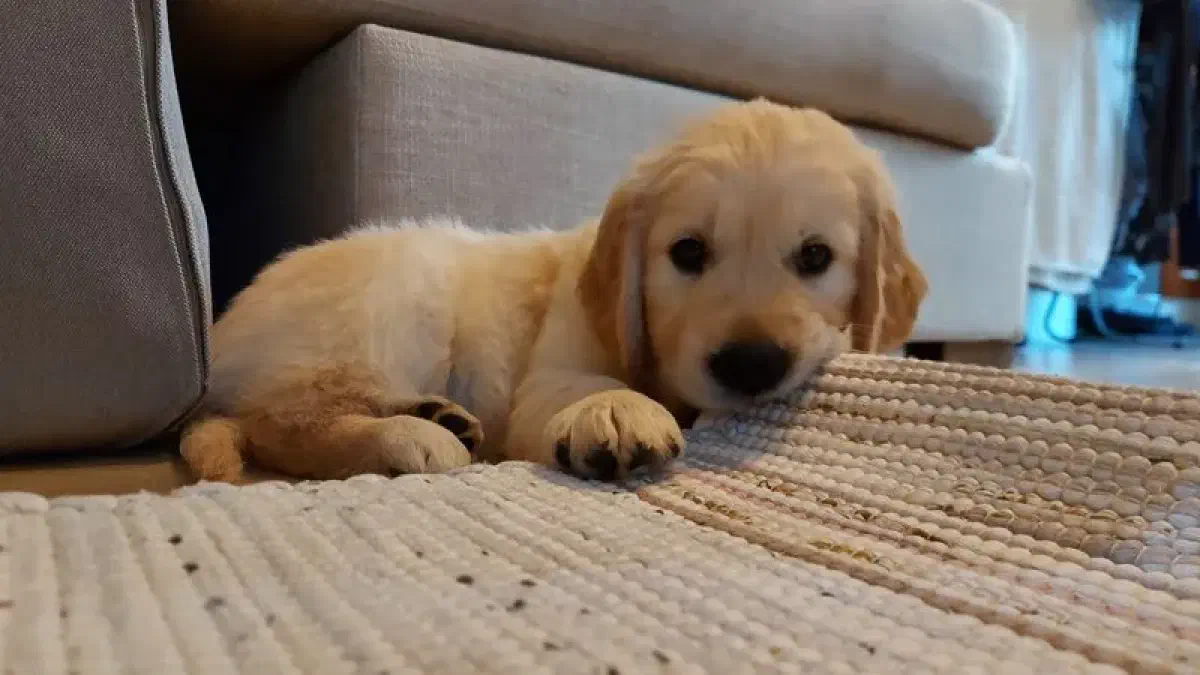
The classic beginner dog. Goldens are eager to please, gentle, and more interested in your mood than in winning an argument. Basic training feels like a magic trick the first month. The parts that are not magic: heavy shedding, 60-plus minutes of daily exercise, and a cancer mortality rate around 60% in the Golden Retriever Lifetime Study.
A committed first-time owner who is actually active can do this. A first-time owner who wanted a stuffed animal with a heartbeat will have a bored, hairy, emotional dog and a shed-covered house.
Do not get a Golden if you need a guard dog, you cannot stand hair, or you are not willing to talk about cancer before you pick a breeder. Harsh corrections are the wrong tool — they are sensitive under the friendliness. Read the full guide → · Lab vs Golden →
2. Labrador Retriever #
Slightly more energetic and independent than a Golden, equally trainable, and generally tougher about the chaos of a new owner. Food is the training plan. That same appetite is why free-feeding fails and why counters stay clear. Many Labs carry a POMC variant that makes the hunger feel biological, not like a training failure you can scold away.
The downside beginners underestimate is the timeline. Expect two or three years of puppy brain in a large body. Jumping, pulling, and chewing are normal. They are also fixable, which is why Labs stay on this list.
Do not get a Lab if your exercise plan is optimistic, you want a dog who is suspicious of strangers, or you are choosing a Lab because “they’re easy” and you have not read the exercise section. Read the full guide →
3. Cavalier King Charles Spaniel #
The easiest small dog for a lot of beginners. Gentle, quiet, affectionate, and able to live with an active schedule or a quieter one. They do not need you to be an athlete. They do need you to be home enough to be a companion, and they need you to have read the heart section before you fall in love with the face.
Mitral valve disease is nearly universal with age: murmurs in about half the breed by five, nearly all by ten. Syringomyelia is common enough to ask breeders about MRI screening. This is a forgiving temperament with an unforgiving medical reality.
Do not get a Cavalier if you wanted “small” to mean “cheap and sturdy,” or children will treat the dog like a toy. Read the full guide →
4. Poodle (Miniature or Standard) #
Poodles are brilliant — in the usual working-dog rankings they sit near the top, close to Border Collies — and they are more forgiving than other smart breeds because they are less obsessive about having a livestock job. They come in sizes that match an apartment or a family house. The coat is low-shed. Allergies are a fair reason to choose them. Grooming is the bill that comes with that reason.
They still need mental work. A bored Poodle is not a calm ornament. Skip the doodle as a beginner’s shortcut: coats, temperaments, and health testing are less predictable, usually at a higher price. Poodle vs Doodle.
Do not get a Poodle if you will not groom, or you wanted intelligence without daily engagement. Toy Poodles are easier to injure; for a first family dog, Standard or Miniature is the saner size. Read the full guide →
5. Boxer #
Boxers are patient with children, clownish, and straightforward to train when you can keep their attention. They want to please. They also get distracted, bounce, and stay adolescent for years. That is manageable for a beginner who likes a project and has an hour to exercise a dog. It is miserable for a beginner who wanted a dog to match a quiet apartment.
Heat, heart screening, and cancer are the other half of the decision. They are not a “get one and figure it out” breed medically, even though the temperament is beginner-friendly.
Do not get a Boxer if you need calm by age two, you live in a hot climate without a plan, or you are actually shopping for a protection dog and have not owned a dog before. The protection comparison is Boxer vs Doberman — and the Doberman is not on this list. Read the full guide →
6. Havanese #
The most forgiving toy breed we cover. Quiet, friendly with strangers, minimally shedding, and usually good with kids. Smart enough to train, not so sharp that they out-think a novice and then invent a sport. The requirement is presence. Havanese do not thrive as dogs who wait out a long workday alone.
Do not get a Havanese if you are gone all day, or you wanted a dog who is naturally suspicious of guests. They like people. That is the point. Read the full guide →
7. Cocker Spaniel #
Gentle, eager, and moderate: size around 20–30 pounds, trainable, softer than a retriever’s exercise demand, more dog than a lapdog. For a beginner who wants a middle path, this is a fair one. The surprises are ears and coat, not aggression. Those heavy ears need weekly cleaning or you will learn what a recurring infection costs. The coat mats if you skip it. Separation anxiety shows up when they are under-socialized or left too long.
Do not get a Cocker if you wanted zero grooming, or you think “spaniel” means the dog can be ignored between walks. Read the full guide →
8. Bernese Mountain Dog #
If you want a large, calm dog, the Berner is the gentlest giant we would hand to a beginner. Patient, affectionate, and lower-energy than a Shepherd, Husky, or Boxer. Training is cooperation, not a power struggle.
The heartbreak is the lifespan: 6–8 years, with cancer the leading cause of death, on the order of half the breed. A first-time owner can physically manage a Berner. A first-time owner who has not accepted a short life should not learn that at year seven. Heat, size, and drool are the daily version of the same honesty.
Do not get a Berner if you need a long-lived dog, you do not have cooling, or a giant’s food and vet bills are hypothetical. Read the full guide →
9. Pug #
The Pug’s job is to be around. Low energy, not a training genius, and hard to offend — a missed cue gets a snort, not a shutdown. That forgiveness is why they are here. The surprises for new owners are shedding (more than you think), snoring, and breathing. Every Pug is brachycephalic. Over-exercising one is more dangerous than under-exercising one.
Do not get a Pug if you wanted a jogging partner, a low-shed dog, or a cheap dog once the vet bills start. Read the full guide → · Pug vs French Bulldog
10. Miniature Schnauzer #
For beginners who want a smart, low-shed dog in a sturdy small package (about 11–20 pounds). They train well, they can live with kids, and they do not collapse if your technique is average. The barking is the tax. They tell you about trucks, halls, and leaves. Start that training immediately or the apartment will file a complaint for you.
Do not get a Mini Schnauzer if you need silence, or you picked “hypoallergenic” and assumed that meant no grooming. The coat is wiry and still needs a schedule. Read the full guide →
Breeds beginners should not start with #
These are good dogs for someone who already knows what a hard day of dog ownership feels like.
- Border Collie. Too smart, and unemployed intelligence becomes behavior. The same warning fits a lot of Australian Shepherds. Border Collie vs Australian Shepherd.
- Siberian Husky. Independent, an escape artist, and not interested in making you feel like a talented trainer. They are not guard dogs either. Husky vs German Shepherd.
- German Shepherd. Trainable and the wrong first teacher. Protection, exercise, and socialization are a program, not a vibe.
- Belgian Malinois. A working dog that makes a Shepherd feel relaxed. If you have to ask whether you are ready, you are not. German Shepherd vs Belgian Malinois.
- Any breed you chose for guarding. Start with a forgiving pet. Add protection instincts after you can train a recall. Best Guard Dogs.
A beginner can also get in trouble with a perfectly nice breed by buying the cheapest puppy from untested parents. Hip, heart, eye, and airway problems do not care that it is your first dog.
Frequently Asked Questions #
What is the easiest dog for a first-time owner? #
For most people, a Golden Retriever or Labrador if you can exercise a large dog, and a Cavalier or Havanese if you cannot. “Easiest” still includes shedding or grooming or a known disease. It means the temperament will not punish you while you learn.
Are small dogs better for beginners? #
Only when the small dog is also tolerant and not a barking project. Cavaliers and Havanese fit. A Chihuahua is easy to carry and easy to ruin with inconsistent rules, because people let tiny dogs rehearse behavior they would never accept in a Lab. Read Chihuahua vs Pomeranian before you decide small equals simple.
Can I start with a German Shepherd or a Husky? #
You can. A lot of people do, and a lot of those dogs end up under-trained. Shepherds need socialization and work. Huskies need exercise and a secure yard, and they do not live to please you. If this is your first dog, pick from the list above. If you already have reps, use the Husky vs German Shepherd comparison and be honest about which problem you want.
Lab or Golden as a first dog? #
Both are fair. Goldens are a little softer and carry a higher cancer risk. Labs are a little more durable and a little more work in the teenage years. Neither is low-shed. Labrador vs Golden Retriever.
Should a beginner get a doodle? #
Not as a shortcut. If you need a low-shed, trainable dog, a Poodle is the predictable version. Designer mixes vary, and “hypoallergenic” is not a genetic switch you can buy. Poodle vs Doodle.
Is a puppy easier than an adult? #
A puppy is how you get the longest bond and the most work. An adult from a rescue or a retired breeder dog shows you energy, barking, and house manners immediately. For a first-time owner with a full-time job, an adult is often the kinder choice for both of you.
See also: Best Family Dogs · Best Dogs for Apartments · Hypoallergenic Dogs · Small Dogs That Don’t Bark · Best Guard Dogs
Sources #
- Breed data from AKC breed standards — size, weight, temperament, trainability
- Morris Animal Foundation Golden Retriever Lifetime Study — Golden cancer mortality (about 60%)
- Cavalier mitral valve pattern, Labrador exercise and POMC notes, and Bernese lifespan are summarized from the linked breed guides
- Lifespan data from McMillan et al. (2024), Scientific Reports
- Puppy pricing based on 2025–2026 US breeder market data