

At a Glance #
History: The Ultimate Versatile Hunter #
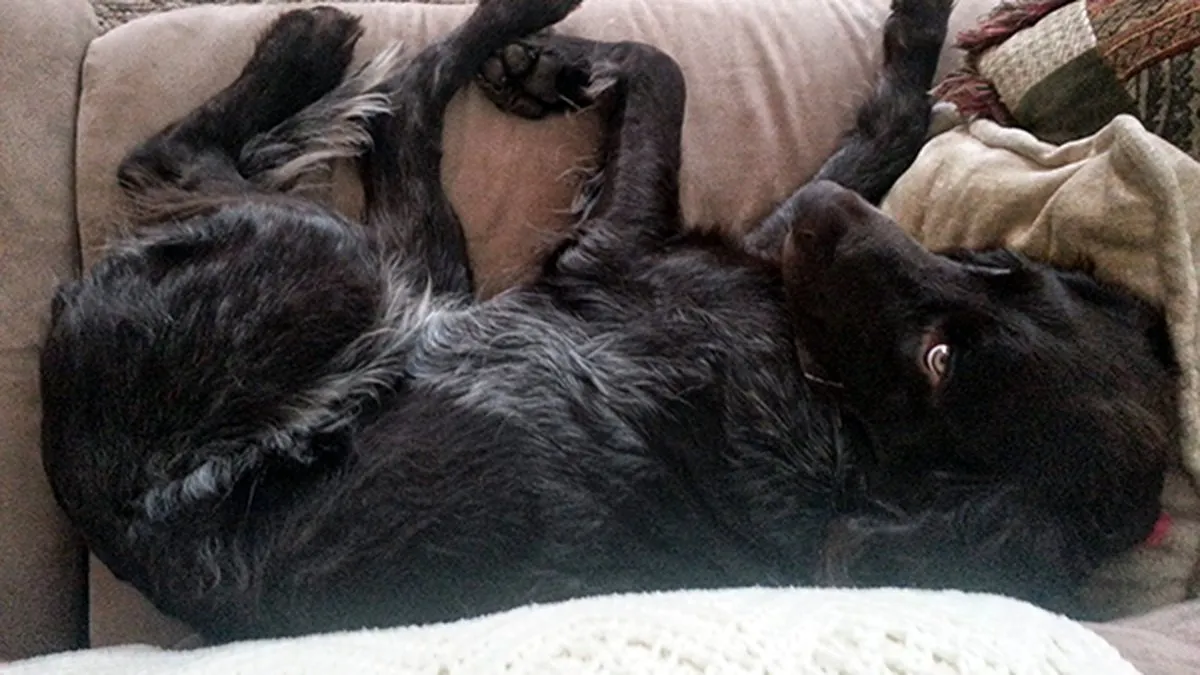
The GSP was developed in 19th century Germany as the ultimate versatile hunting dog — one breed that could point, retrieve, track, and work on land and in water. They were bred from Spanish Pointers, Bloodhounds, and various German hounds, and the result is a dog with an extraordinary nose, a powerful build, and an engine that never quits.
Today, the GSP is consistently in the top 10 most popular breeds in the US. They’re loved by active families and hunters alike — but that popularity has a dark side. Too many GSPs end up in shelters because people buy them for their good looks and don’t realize they’ve adopted a canine triathlete.
Temperament: Friendly, Driven, and Velcro #
GSPs are people dogs through and through. They bond intensely with their family and want to be involved in everything. This is the breed that will follow you to the bathroom, supervise your cooking, and rest their head on your keyboard while you work. “Velcro dog” doesn’t begin to cover it.
They’re also incredibly friendly — with family, strangers, other dogs. A GSP is an enthusiastic greeter, not a guard dog. That friendliness combined with high energy means they can accidentally knock over small children or elderly visitors. Training impulse control is essential.
Health #
Generally healthy, 12–14 year lifespan. Key concerns: hip dysplasia, bloat (GDV — feed smaller meals, no exercise after eating), hypothyroidism, and eye issues. Reputable breeders provide OFA hip and elbow clearances plus eye certification.
Exercise & Training #
90+ minutes of vigorous exercise daily. Not negotiable. A tired GSP is a wonderful companion. An under-exercised GSP will eat your couch, dig through your drywall, and redecorate with your shoe collection. Mental work matters too — scent work, agility, hunting trials, and advanced obedience give that brilliant brain a job.
Training is easy — they’re smart, eager to please, and food-motivated. Consistency is key. They need boundaries from day one or they’ll run the household.
Grooming #
| Task | How Often |
|---|---|
| Brushing | 1–2× weekly |
| Bathing | As needed |
| Nail trimming | Every 2–3 weeks |
| Ear cleaning | Weekly (floppy ears trap moisture) |
Who Should Get a GSP? #
Get a GSP if: you’re a runner, hiker, or hunter who wants a four-legged training partner, you’re home often (they hate being alone), you want a friendly, trainable dog who’s great with kids.
Skip if: you exercise less than an hour a day, you want a low-energy companion, you can’t handle a dog who’s physically attached to you 24/7. Cost: $800–$1,500.
The Quick Summary #
Incredible: Ultimate athletic partner, brilliant and trainable, fantastic with kids, friendly to everyone, stunning appearance. Hard: Extreme exercise requirements, Velcro attachment (separation anxiety risk), will destroy things if bored, too much dog for casual owners.
Frequently Asked Questions #
GSP vs Weimaraner — what's the difference?
Can a GSP live in an apartment?
See also: Best Guard Dogs That Protect Your Family
Similar Breeds #
| Breed | Compared to a GSP |
|---|---|
| Labrador Retriever | Slightly lower exercise needs, more food-motivated, shorter lifespan |
| Boxer | Goofier, shorter lifespan (10–12 years), lower exercise threshold |
| Border Collie | More intense, less friendly with strangers, smarter, different build |
| Doberman Pinscher | More protective, less outgoing, equally energetic, shorter lifespan |
| Golden Retriever | Lower exercise needs, more sensitive, heavier shedding, shorter lifespan |
Sources #
- AKC German Shorthaired Pointer Breed Standard — size, weight, temperament
- OFA Breed Statistics — hip dysplasia
- McMillan et al. (2024), Scientific Reports — breed lifespan data
- Puppy pricing based on 2025–2026 US breeder market data