
Hypoallergenic Dogs That Don’t Shed #
No dog is 100% hypoallergenic. Allergies are a reaction to proteins in dander, saliva, and urine — not to fur as a fabric. Breeds that shed less tend to hold more of that dander in the coat instead of broadcasting it, which is why some allergic people do better with them. It is a tendency, not a guarantee. Spend real time with the adult breed, more than a puppy visit, before you commit. If your allergies are severe, talk to an allergist. A blog cannot clear you to live with a dog.
“Doesn’t shed” is also the wrong shopping phrase for a few dogs people hope will qualify. Pugs shed more than their size suggests. Labs and Goldens are a no. A doodle is not a Poodle with a friendlier haircut. The predictable version of that wish is the Poodle vs Doodle comparison.
How to read this list #
Rank is “low shed, and allergic owners often try them,” not “safe for every allergic person.” The top of the list has hair coats that grow and get clipped. The bottom includes breeds that shed less than a retriever and still should not be sold as allergen-free.
| If this is the real constraint | Look here | Do not talk yourself into |
|---|---|---|
| Someone in the house reacts to dogs | Poodle, Maltese, Havanese | Lab, Golden, Corgi, Husky, Pug |
| You want a family-sized dog | Standard Poodle | A Cocker Spaniel as a Poodle substitute |
| You want a small apartment dog | Maltese, Shih Tzu, Havanese | Chihuahua for allergies or for quiet |
| You want low grooming | Boston Terrier — and accept it is not true hypoallergenic | Any dog marketed as “wash and wear hypoallergenic” |
Grooming helps either way. Bathing and brushing on a schedule pull dander out of the coat before it gets into the air and the sofa. A low-shed dog you never groom is not the low-allergen plan you paid for.
Apartment life and noise are separate questions: Best Dogs for Apartments and Small Dogs That Don’t Bark.
1. Poodle (Toy, Miniature, Standard) #
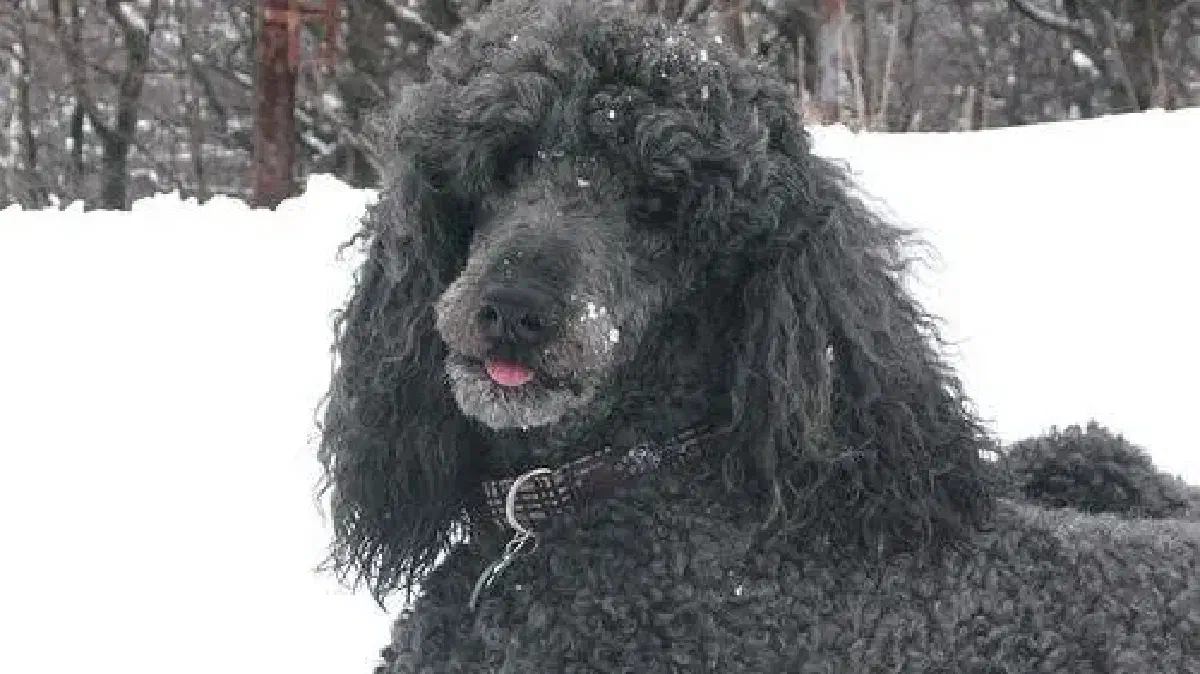
The reference point. Poodles have hair, not a double coat that blows seasonally. It grows, it sheds little, and it holds dander until you clip it. Three sizes, so the allergy decision is not also a “must be tiny” decision. A Standard is the one sturdy enough for a real family. Toys are easier to injure.
The trade is grooming every 4–6 weeks, professionally or by you, and a brain that needs work. Poodles are reserved with strangers compared with a Lab. They are not low-maintenance dogs who happen to be clean. They are high-maintenance dogs who happen not to cover the house in undercoat.
Do not get a Poodle if you wanted hypoallergenic to mean no salon, no daily engagement, and no opinions. And do not buy a doodle because someone promised the coat of a Poodle and the brain of a sofa. Read the full guide → · Poodle vs Doodle →
2. Maltese #
A single coat, floor-length when it is kept that way, very little shedding, and a body that is only 4–7 pounds. For a small home and a person who reacts to heavy shedders, this is one of the cleaner options we cover. Daily brushing, or a short trim, is the cost. Fragility is the other cost. They are lap dogs, not play equipment, and they do not enjoy being left alone all day.
They will announce visitors. They are not silent. With training they settle. The voice matches the body.
Do not get a Maltese if you have toddlers, a full-time office with no walker, or you wanted a sturdy small dog. The next decision for a lot of people is Maltese vs Shih Tzu. Read the full guide →
3. Miniature Schnauzer #
A wiry coat that sheds so little you can forget other dogs shed at all, on a sturdier frame than the toy breeds (about 11–20 pounds). Intelligent, trainable, and a practical family answer when you need low shed without committing to a Standard Poodle’s size. They are terriers. They bark at the interesting parts of the day, including delivery trucks.
Do not get a Mini Schnauzer if silence is the actual requirement, or you thought “hypoallergenic” included “no coat care.” Hand-stripping or clipping is still a schedule. Read the full guide →
4. Shih Tzu #
The coat looks like it should shed by the pound. It doesn’t, relatively speaking — it grows more like hair and needs either daily brushing or a practical short cut. 9–16 pounds. Lower energy than a Schnauzer, better for someone whose allergy plan is also a couch plan. They were not built as watchdogs, which helps in an apartment.
They are brachycephalic. Heat and hard exercise are a bad combination, less extreme than a Pug and still real. Eyes and the flat face need ordinary care, not a marketing shrug.
Do not get a Shih Tzu if the coat will be ignored, or you need a jogging partner. Read the full guide → · Maltese vs Shih Tzu →
5. Havanese #
Long, silky, minimally shedding, and one of the easier temperaments on this list: friendly, usually good with kids, not a barking project. About 7–13 pounds, sturdier than a Maltese, still a companion who wants the household around. Allergies plus a family plus an apartment is the use case they actually fit.
Do not get a Havanese if everyone works long days out of the house. Coat care is real. Loneliness is the part that ruins them. Read the full guide →
6. Yorkshire Terrier #
Fine, silky hair, very little shed, 4–7 pounds, and a terrier’s opinion of the world. Yorkies are a fair allergy candidate and a poor purse accessory. They are not fragile in the mind. They are fragile in the bones. Daily brushing if the coat stays long. They can be vocal; that is the terrier, not an allergy issue.
Do not get a Yorkie if you want a quiet, deferential lap dog with no training, or children will carry them around. Read the full guide →
7. Portuguese Water Dog #
The Obama family picked a Portuguese Water Dog because of a child’s allergies, and that story is why the breed shows up on every list like this. They are a medium working dog, often 35–60 pounds, curly or wavy, low-shed, and not a substitute for a calm toy breed. They need exercise, they need swimming or a job if you want the historic version of the temperament, and they need a groomer.
We do not have a Portuguese Water Dog guide. The closest full page for a curly, low-shed, trainable dog is the Poodle. If the allergy requirement is real and the energy requirement is not, choose the size of Poodle that fits the house instead of buying a working breed for a White House anecdote. Poodle vs Doodle if someone is selling you a mix as the same idea.
Do not get a Portuguese Water Dog if you wanted “hypoallergenic” and did not want a sporty dog.
8. Cocker Spaniel #
Cockers are on this list because people ask, and because their silky coat sheds less dramatically than a Lab or a Golden. They are not in the Poodle, Maltese, or Schnauzer category. Call them a lighter-shedding sporting dog, not a hypoallergenic one. If anyone in the house has a real dog allergy, meet Cockers before you decide the feathering solved it. It may not have.
What they will definitely cost you is ears and coat. Heavy ears trap moisture; infections are the main vet habit. The coat mats if you skip brushing. Temperament is a plus for families: affectionate, moderate size (about 20–30 pounds), eager to please. That is why they also appear for beginners. It is not an allergy certification.
Do not get a Cocker if the requirement is medical, not cosmetic. Get a Poodle. Read the full guide →
9. Boston Terrier #
A short, fine coat that sheds less than a Pug’s and needs almost no grooming. Compact, often quiet enough for an apartment, friendly. For someone with mild symptoms who also refuses a salon schedule, Bostons are the compromise breed on this list. Our Boston guide is explicit: they are not truly hypoallergenic, and people with serious allergies should spend time around the breed first. Dander does not require a long coat.
They are still flat-faced. Heat and breathing are the ownership story, just a milder one than the Frenchie’s. French Bulldog vs Boston Terrier.
Do not get a Boston if you need the strongest low-shed option, or you are using “hypoallergenic” to avoid reading the airway section. Read the full guide →
10. Bichon Frise #
A curly white coat that sheds very little, a small sturdy-enough body (often 12–18 pounds), and a cheerful companion temperament. Grooming is not optional if you want the coat to stay a coat instead of a felted mat. Allergen-wise they sit with the other curly, low-shed dogs — worth a trial visit, not a promise.
We do not have a Bichon guide. The nearest full pages are the Maltese and the Havanese: similar size, similar coat logic, different amounts of velcro. Maltese vs Shih Tzu if the decision has already narrowed to small white dogs.
Do not get a Bichon if you will not pay for grooming, or you have not confirmed that this specific dog, not the breed label, is tolerable for the allergic person.
The truth about the word #
Less shedding is not the same as less allergen. A dog can drop little hair and still lick, still produce dander, and still set someone off. Individual dogs inside a breed vary. So do individual people. The only honest test is repeated exposure to the type of dog you intend to live with — a groomed adult, in a normal house, not a freshly bathed puppy in a parking lot.
Regular grooming, HEPA filtration, and keeping the dog out of the bedroom are management tools. They are not a personality. If you need the dog gone from the bedroom and you also picked a Maltese or Havanese, you picked a breed whose feelings about closed doors are part of the breed.
Frequently Asked Questions #
Are any dogs truly hypoallergenic? #
No. There is no breed that produces zero allergen. Low-shed, single-coated, or curly-coated dogs — Poodles, Maltese, Havanese, Miniature Schnauzers — are the ones allergic households usually trial first. Some people do fine. Some do not. Meet the breed before you buy.
Do poodle mixes help with allergies? #
Sometimes, and you cannot know which mix you bought until the coat grows in. A first-generation doodle can shed, or not, and can inherit problems from both sides. If allergies are the reason, a Poodle is the predictable purchase. Poodle vs Doodle.
Which hypoallergenic dog is best for families? #
A Standard Poodle if you can groom and exercise one. A Havanese or Miniature Schnauzer if you need a smaller dog. A Cocker Spaniel is a pleasant family dog and a weak answer to a medical allergy. For kid tolerance with less emphasis on allergies, use Best Family Dogs.
Do hypoallergenic dogs shed at all? #
They shed less, and the hair they drop is often caught in the coat. You still brush or clip. “Non-shed” in an ad means “the hair does not fly off in a seasonal blizzard.” It does not mean the dog is maintenance-free.
What is the lowest-grooming dog on this list? #
The Boston Terrier. That is also why they are not at the top. Short coat, mild allergy compromise, real brachycephalic limits. If grooming is impossible and allergies are serious, you may be shopping for a conflict that no breed resolves.
Can I tell from a puppy visit? #
Poorly. Puppies shed less, live in cleaner rooms, and are a short exposure. If reactions are severe, an allergist and time with adult dogs of the breed beat a breeder’s kitchen. Do not “test” a severe allergy by moving a dog in and hoping.
See also: Best Dogs for Apartments · Small Dogs That Don’t Bark · Best Family Dogs · Best for First-Time Owners
Sources #
- Breed data from AKC breed standards — coat type and size
- Allergy framing matches the breed guides: allergens are dander, saliva, and urine; no breed is fully allergen-free (see the Poodle, Maltese, Shih Tzu, and Boston Terrier guides)
- AKC: Hypoallergenic dogs — breed-club position that no dog is non-allergenic; low-shed coats are the usual compromise
- Lifespan data from McMillan et al. (2024), Scientific Reports
- Puppy pricing based on 2025–2026 US breeder market data