
At a Glance #
History: Swiss Farm Dogs of the Alps #
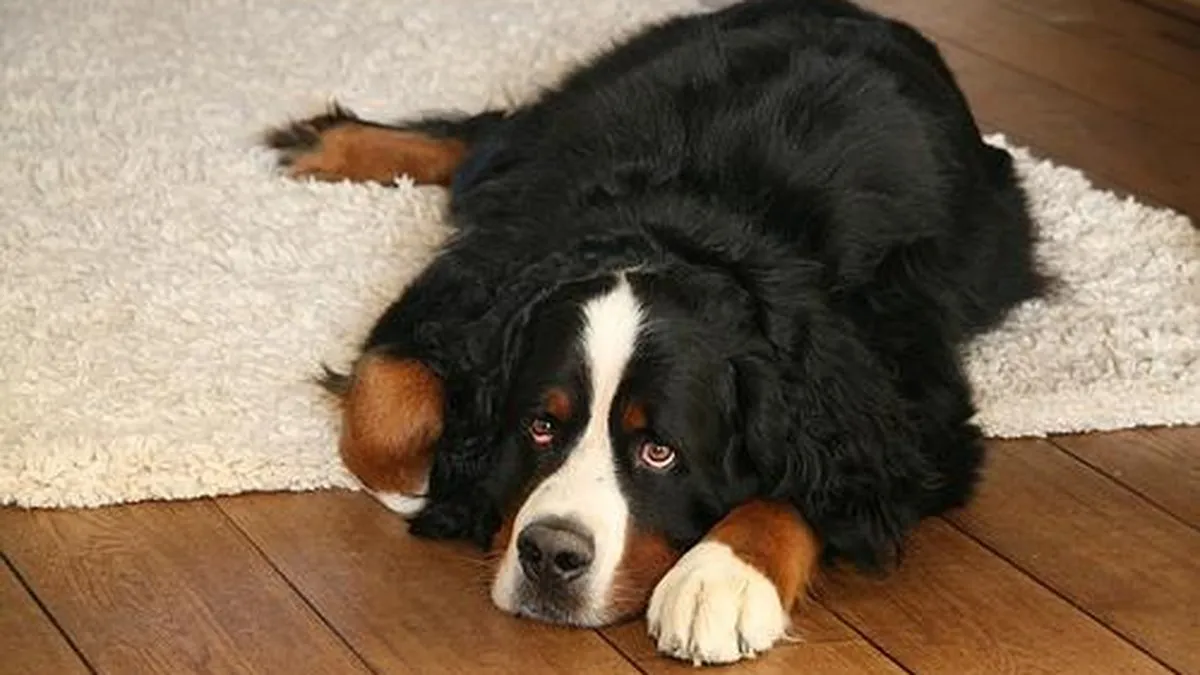
The breed descends from Mastiff-type dogs brought to Switzerland by Roman soldiers roughly 2,000 years ago. These Roman mastiffs crossed with local Swiss herding dogs, producing a versatile farm dog that could handle the brutal Alpine climate. The Bernese specifically developed in the canton of Bern — hence the name — where they pulled milk carts to market and guarded livestock from predators.
By the late 1800s, the breed was declining. Industrialization reduced the need for cart dogs, and crossbreeding threatened the pure bloodlines. Professor Albert Heim, a Swiss geologist and dog enthusiast, led the effort to preserve the breed in the early 1900s. He established breed standards and organized breeding programs that saved the Berner from extinction.
The AKC recognized the breed in 1937. Popularity grew slowly — for decades, Berners were rare outside Switzerland. But by the 1990s, their combination of beauty, gentle temperament, and family-friendly nature made them one of the fastest-growing breeds in America. They’ve been in the AKC top 20 most popular breeds since the 2010s.
The cart-pulling heritage is important. Berners were bred for strength and endurance at low speeds — they pulled heavy loads all day at a walking pace. This explains their moderate energy levels: they don’t need to run, but they do need to work. A Berner without a job (or at least a purpose) gets bored and destructive.
Temperament: Almost Too Good to Be True #
Bernese Mountain Dogs are gentle in a way that seems genetically engineered. They’re calm, patient, and deeply bonded to their families. They’re not hyper or excitable — they move through the world with a quiet confidence that comes from centuries of working alongside humans.
With children, they’re outstanding. A well-socialized Berner treats kids with a gentleness that’s almost maternal. They’ll let toddlers pull their fur, climb on them, and use them as pillows. They seem to instinctively understand their own size and strength, adjusting their behavior around small children without being taught. This makes them one of the best giant breeds for families.
With other dogs, they’re excellent. Berners are non-aggressive and sociable. They do well in multi-dog households and generally get along with dogs of all sizes. They’re not dominant or territorial — they’re happy to share space, toys, and attention.
With strangers, they’re reserved but polite. A Berner won’t fawn over visitors, but they won’t be aggressive either. They’ll observe, assess, and eventually warm up. They’re naturally protective of their family without being trained as guard dogs — they’ll bark to alert but rarely escalate.
The emotional bond. Berners form incredibly deep attachments to their people. They want to be near you constantly — not in an anxious way, but in a “I belong at your feet” way. They’ll follow you from room to room, wait by the door when you leave, and greet you with quiet, whole-body joy when you return. This devotion is beautiful but also means they don’t do well alone. A Berner left alone for long hours will become depressed and destructive.
The puppy phase is long. Berners don’t mentally mature until age 3–4. That’s 3–4 years of puppy behavior in a dog that weighs 80–115 pounds. They’ll be clumsy, goofy, and occasionally destructive. Puppy-proof your house for a dog the size of a small adult human.
Health: The Devastating Reality #
This is the hardest section of this article to write, because the health picture for Bernese Mountain Dogs is genuinely heartbreaking. They have one of the shortest lifespans of any breed and one of the highest cancer rates.
| Condition | How Common | What To Know |
|---|---|---|
| Cancer (Histiocytic Sarcoma) | ~50% mortality | The #1 killer. Higher cancer rate than almost any other breed. |
| Hip Dysplasia | Common | Genetic; always screen parents. OFA or PennHIP certification. |
| Elbow Dysplasia | Very common | More common than hip dysplasia in this breed. Causes lameness. |
| Bloat (GDV) | Risk present | Deep-chested breed. Life-threatening — know the symptoms. |
| Progressive Retinal Atrophy | Moderate | Genetic eye disease leading to blindness. DNA test available. |
| Von Willebrand Disease | Moderate | Blood clotting disorder. DNA test available. Inform your vet. |
| Hypothyroidism | Moderate | Manageable with daily medication. Causes weight gain and lethargy. |
The cancer rate. Approximately 50% of Bernese Mountain Dogs die from cancer — primarily histiocytic sarcoma, a particularly aggressive cancer that’s rare in most other breeds. This isn’t a risk factor you can manage away. It’s a breed-wide genetic vulnerability that responsible breeders are trying to address, but it remains the defining health challenge.
What you can do:
- Buy from a breeder who tracks cancer in their lines for multiple generations. Ask specifically about the lifespan and cause of death of grandparents and great-grandparents.
- Get OFA hip, elbow, and eye clearances on both parents.
- DNA test for Von Willebrand disease and progressive retinal atrophy.
- Keep your Berner lean — obesity compounds joint problems and may increase cancer risk.
- Get pet insurance immediately. Budget for significant vet bills throughout your dog’s life.
- Annual blood work starting at age 5 can catch some conditions early.
What you can’t do: Guarantee a long life. Even with the best breeding, best care, and best luck, many Berners die before age 8. This is the deal you make when you get this breed.
Grooming: Your New Full-Time Hobby #
Bernese Mountain Dogs have a thick, long double coat that was designed to withstand Alpine winters. It is beautiful. It also sheds with an intensity that borders on the supernatural.
| Task | How Often |
|---|---|
| Brushing | 3–4 times per week (daily during shedding season) |
| Bathing | Every 6–8 weeks |
| Ear cleaning | Weekly |
| Nail trimming | Every 3–4 weeks |
| Teeth brushing | 2–3 times per week |
| Professional grooming | Every 8–12 weeks (recommended) |
The shedding. Berners shed heavily year-round with two massive blowouts — spring and fall — where the undercoat comes out in clumps. During blowout season, you’ll fill a garbage bag with fur every few days. The rest of the year, you’ll find fur on every surface in your home, including places the dog has never been.
An undercoat rake is essential. A regular brush won’t penetrate the dense undercoat — you need a tool designed to pull dead undercoat before it becomes tumbleweeds. A slicker brush handles the topcoat.
Never shave a Berner. Their double coat insulates against both cold and heat. Shaving disrupts the coat’s ability to regulate temperature and it may never grow back properly.
Exercise & Training: Moderate Energy, Easy to Train #
Berners need 45–60 minutes of daily exercise. They’re not marathon dogs — they were bred for strength and endurance at walking pace, not speed. Two good walks plus some yard time keeps them happy.
What they enjoy:
- Long walks at a moderate pace — they love exploring
- Hiking in cool weather — their dream activity
- Cart pulling and drafting — this is literally what they were bred for
- Swimming — many Berners love water, though not all
- Play sessions with other dogs — sociable and gentle
- Mental work — they’re smart and enjoy having a job
Heat is the enemy. Berners have a thick double coat designed for Swiss winters, not summer heat. They overheat quickly in temperatures above 75°F. Exercise in the early morning or evening during warm months. Never leave them outside in hot weather. Air conditioning is strongly recommended in warm climates.
Training: The Easy Part #
Berners are one of the easiest giant breeds to train. They’re intelligent, eager to please, and food-motivated — the trifecta for successful training. They respond beautifully to positive reinforcement and genuinely want to make you happy.
What works:
- Positive reinforcement with treats and praise
- Gentle consistency — Berners are sensitive and don’t respond well to harsh corrections
- Early socialization — expose them to people, dogs, and environments from puppyhood
- Puppy classes — great for socialization and basic obedience
- Patience during the long puppy phase — they’ll get there
What doesn’t work:
- Harsh corrections or yelling — Berners shut down and become fearful
- Repetitive drilling — they learn quickly but get bored with repetition
- Expecting adult behavior before age 3–4 — they’re puppies for a long time
Most Berners master basic commands within weeks. The challenge isn’t intelligence or willingness — it’s managing a 100-pound puppy who doesn’t yet understand their own size.
Diet: Giant Breed, Giant Appetite #
Adult Berners need 3–5 cups of high-quality kibble per day, split into two meals. The exact amount depends on your dog’s weight, age, and activity level. Giant breeds have specific nutritional needs that differ from smaller dogs.
Key dietary needs:
- High-quality protein as the first ingredient — look for named meat sources
- Giant breed puppy formula — controlled calcium and phosphorus ratios are critical during growth to prevent developmental orthopedic problems
- Joint supplements (glucosamine/chondroitin) starting at age 1–2
- Fish oil for coat health and anti-inflammatory benefits
- Measured meals — no free-feeding, ever
- Slow-feeder bowls — Berners inhale food and are prone to bloat
Growth rate matters. Berner puppies should grow slowly and steadily. Rapid growth increases the risk of hip and elbow dysplasia. Feed a giant breed puppy formula and follow your breeder’s feeding recommendations. Don’t supplement with extra calcium — it actually worsens skeletal development.
Foods to never feed: chocolate, grapes, raisins, onions, garlic, xylitol (sugar-free gum), macadamia nuts, and cooked bones. Given the investment you’ve made in this dog, don’t risk it with table scraps or unknown foods.
Who Should Get a Bernese Mountain Dog? #
Get a Berner if:
- You want one of the gentlest, sweetest family dogs in existence
- You have children and want a patient, protective companion
- You live in a cool or moderate climate with air conditioning
- You can handle a dog who will shed constantly and profusely
- You’re emotionally prepared for a shorter-than-average lifespan
- You have the budget for giant breed costs — food, vet bills, grooming
- You’re home often — Berners need their people
- You can commit to 45–60 minutes of daily exercise
Skip the Berner if:
- You can’t handle losing a dog in 6–8 years — this is the hardest part
- You live in a hot climate without reliable air conditioning
- You’re away from home 8+ hours daily — separation anxiety is real
- You want a low-maintenance dog — the shedding alone is a part-time job
- You can’t budget for significant vet bills — giant breeds cost more
- You want a dog you can take running in warm weather
The Quick Summary #
What’s wonderful about Berners:
- One of the gentlest, most patient breeds — perfect for families with children
- Beautiful, striking tricolor coat — they’re stunning dogs
- Calm indoors — they’re content to lie at your feet
- Easy to train — eager to please and food-motivated
- Excellent with other dogs and animals
- Loyal and deeply bonded to their families
What’s hard about Berners:
- Short lifespan (6–8 years) — the defining heartbreak of the breed
- Cancer takes roughly half of them — be emotionally and financially prepared
- Extreme shedding — your home will never be fur-free again
- Heat intolerance — they struggle in warm climates
- Giant breed costs — food, vet bills, and grooming add up fast
- Long puppy phase — 3–4 years of puppy behavior in a 100-pound body
Frequently Asked Questions #
Why do Bernese Mountain Dogs have such short lifespans?
How much does a Bernese Mountain Dog puppy cost?
Can Bernese Mountain Dogs live in warm climates?
Are Bernese Mountain Dogs good for first-time owners?
Do Bernese Mountain Dogs need a lot of exercise?
How much do Bernese Mountain Dogs shed?
Similar Breeds #
If you love Bernese Mountain Dogs, also check out:
| Breed | Compared to a Berner |
|---|---|
| Great Dane | Shorter coat, slightly longer lifespan, taller, similar gentle temperament |
| Golden Retriever | Longer lifespan (10–12 years), similar sweetness, smaller |
| Rottweiler | Shorter coat, longer lifespan, more protective, smaller |
| Saint Bernard | Similar size and temperament, shorter lifespan, more drool |
| Greater Swiss Mountain Dog | Closest relative — shorter coat, similar build, slightly longer lifespan |
Sources #
- AKC Bernese Mountain Dog Breed Standard — size, weight, temperament
- Klopfenstein et al. (2016) — median lifespan 8.4 years; ~58% of deaths from neoplasia (cancer)
- McMillan et al. (2024), Scientific Reports — Bernese Mountain Dog median lifespan 8.4 years
- Histiocytic sarcoma data from breed health surveys and veterinary oncology literature
- Puppy pricing based on 2025–2026 US breeder market data
- Great Dane vs Bernese Mountain Dog — Two gentle giants, very different lifespans