

At a Glance #
History: A King’s Companion, Reborn #
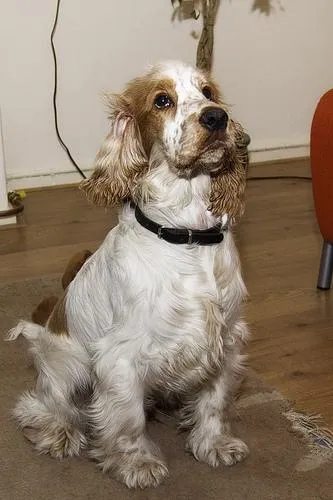
Small spaniels have been popular in European courts since the Renaissance. They appear in paintings by Titian, Van Dyck, and Gainsborough — silky, flat-faced lapdogs warming the laps of noblewomen. These early “comforter spaniels” were favorites of Mary Queen of Scots and were later associated with King Charles I and especially his son, King Charles II (1630–1685).
After Charles II’s death, the breed’s popularity waned. Victorian-era breeders crossed the original spaniels with Asian flat-faced breeds (Pugs and Japanese Chins), producing dogs with shorter muzzles and rounder heads — the ancestors of the modern King Charles Spaniel (the separate, shorter-faced breed).
In the 1920s, an American named Roswell Eldridge offered prize money at Crufts for anyone who could produce spaniels resembling those in the old paintings — longer-nosed, flatter-skulled. This kicked off a breeding program to recreate the original type. The Cavalier King Charles Spaniel (with “Cavalier” added to distinguish it from the King Charles Spaniel) was recognized as a separate breed by the UK Kennel Club in 1945 and by the AKC in 1995.
Temperament: The Sweetest Dog You’ll Ever Meet #
Cavaliers are not complicated. They don’t need a job. They don’t need hours of exercise. They need a lap, a gentle hand, and to be near their person. This is a breed defined by sweetness — not intelligence or athleticism or protectiveness, just pure, uncomplicated affection. And that’s exactly why people love them.
What this looks like in practice:
- They’re Velcro dogs in the gentlest sense. A Cavalier will follow you everywhere, but they do it quietly and without demand.
- They adapt to any lifestyle. Active owner? They’ll hike. Couch potato? They’ll nap. Apartment? Fine. House? Also fine.
- They’re friendly with everyone — strangers, children, other dogs, cats. Suspicion is not in their vocabulary.
- They’re quiet. Cavaliers rarely bark, making them excellent apartment dogs and terrible watchdogs.
- They’re eager to please. Training a Cavalier is genuinely easy — they want to make you happy.
- They have a soft mouth and a soft temperament. They were bred as companion dogs, not hunters, and it shows.
With Kids and Other Animals #
This is one of the Cavalier’s greatest strengths. They’re gentle enough for toddlers, patient enough for clumsy children, and playful enough to keep kids entertained. At 13–18 lbs, they’re sturdy enough to handle some roughhousing without being injured.
With other dogs: excellent. Cavaliers are among the most social breeds available. They rarely start conflicts, share resources willingly, and genuinely enjoy the company of other dogs. With cats: equally good. Their low prey drive and gentle nature make them ideal companions for feline household members.
Health: The Heart Will Break Your Heart #
Here’s the painful truth about Cavaliers, and you need to know it before you fall in love with those eyes: they have a heart problem so common it’s practically a breed feature. Mitral valve disease (MVD) is degenerative, progressive, and ultimately fatal. Nearly all Cavaliers develop it eventually. By age 5, roughly 50% have a heart murmur. By age 10, nearly 100%. Half the breed dies from heart failure.
| Condition | How Common | What To Know |
|---|---|---|
| Mitral Valve Disease (MVD) | Nearly 100% | Degenerative heart valve leak; medications extend life but there's no cure |
| Syringomyelia (SM) | 25–70% | Neurological condition — skull too small for brain; causes severe head/neck pain |
| Eye Problems | Common | Cataracts, retinal issues, dry eye (keratoconjunctivitis sicca) |
| Patellar Luxation | Moderate | Kneecap slips out of place; common in small breeds |
| Hip Dysplasia | Moderate | Genetic; screening parents reduces risk |
| Ear Infections | Common | Long, floppy ears trap moisture; weekly cleaning prevents most issues |
Bottom line on health: Cavaliers are expensive dogs to own. MVD medications (pimobendan, ACE inhibitors, diuretics) cost $50–$200/month once the disease progresses. Syringomyelia may require MRI scans ($1,500–$3,000) and lifelong pain medication. Get pet insurance early — before any conditions are diagnosed — and budget for ongoing cardiac care. The emotional cost is significant too: you’ll likely lose your Cavalier sooner than you expected.
Grooming: Manageable but Not Zero-Effort #
Cavalier coats are medium-length, silky, and relatively easy to maintain. They’re not the grooming commitment of a Shih Tzu or a Poodle, but they’re not wash-and-go either.
| Task | How Often |
|---|---|
| Brushing | 2–3 times per week |
| Professional grooming | Every 6–8 weeks |
| Bathing | Every 4–6 weeks |
| Ear cleaning | Weekly — critical for preventing infections |
| Nail trimming | Every 2–3 weeks |
| Teeth brushing | 2–3 times per week |
Cavaliers shed moderately — more than Shih Tzus, less than Golden Retrievers. Regular brushing keeps it manageable. The feathering on their ears, chest, and legs tangles if neglected, so focus your brushing efforts there.
Exercise & Training: Easy on Both Counts #
Cavaliers need 30–45 minutes of daily exercise — a moderate walk plus some indoor play. They’re adaptable: a Cavalier in an active household will keep up on hikes, while one with a sedentary owner is perfectly happy with shorter outings.
What they love:
- Moderate walks — they enjoy sniffing and exploring at a leisurely pace
- Fetch in the backyard — they have a soft mouth and love retrieving (it’s in their spaniel DNA)
- Cuddling on the couch — this is genuinely their favorite activity
- Dog sports — agility, rally, and therapy work suit their eager-to-please nature
What to avoid:
- Intense exercise in heat. They handle heat better than brachycephalic breeds, but they’re still small dogs.
- Off-leash areas without recall training. Their spaniel nose can lead them astray — they’ll follow a scent and forget you exist.
Training #
Cavaliers are one of the easiest breeds to train. They’re eager to please, food-motivated, and sensitive to their owner’s emotions. They respond beautifully to positive reinforcement and wilt under harsh corrections.
What works:
- Positive reinforcement with treats and praise. They live for your approval.
- Short, fun training sessions. They learn fast and get bored with repetition.
- Early socialization. They’re naturally friendly, but exposure to different environments builds confidence.
- Gentle consistency. They’re soft dogs who respond to soft handling.
What doesn’t work:
- Harsh corrections or raised voices. They’ll cower and shut down.
- Long, repetitive training sessions. They’re smart enough to learn quickly and sensitive enough to get discouraged by drilling.
- Expecting them to be guard dogs. They’ll greet burglars with a tail wag.
Diet: Moderate Eater, Moderate Portions #
Cavaliers need about 1–1.5 cups of high-quality kibble per day, split into two meals. They’re not as food-obsessed as some breeds, but they can gain weight if overfed — especially since they’re so good at looking pathetic when you’re eating.
Non-negotiables:
- Measured meals. Cavaliers will eat what you give them, and they don’t self-regulate well.
- High-quality protein as the first ingredient
- Heart-healthy diet — omega-3 fatty acids may support cardiac function (ask your vet)
- Joint supplements (glucosamine/chondroitin) — proactive joint support is worthwhile
- Treats in moderation — they should make up no more than 10% of daily calories
Foods to Avoid #
| Never Feed | Why |
|---|---|
| Chocolate, grapes, raisins | Toxic — can cause kidney failure |
| Onions, garlic | Damages red blood cells |
| Xylitol (sugar-free gum) | Causes rapid blood sugar drop |
| Macadamia nuts | Causes weakness, vomiting |
| Cooked bones | Splinter and can perforate intestines |
Who Should Get a Cavalier King Charles Spaniel? #
Get a Cavalier if:
- You want the gentlest, sweetest small breed available — they are genuinely lovely dogs
- You have children and want a dog that’s patient and tolerant
- You have other pets and want a dog that gets along with everyone
- You live in an apartment or a house — Cavaliers adapt to either
- You work from home or are home most of the day (they bond closely and need companionship)
- You want an easy-to-train dog that’s eager to please
- You’re prepared for the health realities — the cardiac monitoring, the potential vet costs, the shorter lifespan
Skip the Cavalier if:
- You can’t handle the emotional weight of knowing heart disease is almost inevitable
- You’re on a tight vet budget — Cavaliers are expensive to maintain long-term
- You want a watchdog — they’ll greet intruders with a wagging tail
- You’re away from home 8+ hours daily — they develop separation anxiety
- You want a hypoallergenic dog — they shed moderately
- You’re looking for an athletic, high-energy companion for intense activities
The Quick Summary #
What’s incredible about Cavaliers:
- They are genuinely the sweetest, most affectionate small breed you can find
- They adapt to any lifestyle — active, sedentary, apartment, house
- They’re excellent with children, other dogs, and cats
- They’re easy to train — eager to please and food-motivated
- They’re quiet — rarely bark, perfect for apartments
- They’re beautiful dogs with a rich royal history
- Their grooming needs are moderate and manageable
What’s hard about Cavaliers:
- Mitral valve disease is nearly universal — expect it, prepare for it financially and emotionally
- Syringomyelia affects a significant percentage — another serious, expensive condition
- They’ll likely die younger than you hope — 9–14 years, often closer to 9–11
- Vet costs are above average due to the breed’s health profile
- They need companionship — not a breed for people who are away all day
- They shed moderately — not ideal for allergy sufferers
- Their trusting nature makes them poor watchdogs
- Finding a responsible breeder who health-tests properly takes effort and patience
Frequently Asked Questions #
How long do Cavaliers actually live?
Is mitral valve disease a death sentence?
Are Cavaliers good with kids?
How much do Cavalier puppies cost?
Do Cavaliers have separation anxiety?
What is syringomyelia and should I worry about it?
Similar Breeds #
If you love Cavaliers, also check out:
| Breed | Compared to a Cavalier |
|---|---|
| Cocker Spaniel | Larger, more energetic, similar sweetness |
| Bichon Frise | Hypoallergenic, equally sweet, lower heart risk |
| Havanese | Equally adaptable, healthier, less shedding |
| Shih Tzu | Smaller, hypoallergenic, more stubborn |
| Papillon | More energetic, more athletic, longer-lived |
Sources #
- AKC Cavalier King Charles Spaniel Breed Standard — size, weight, temperament
- OFA Breed Statistics — mitral valve disease, hip dysplasia, syringomyelia
- McMillan et al. (2024), Scientific Reports — breed lifespan data
- Puppy pricing based on 2025–2026 US breeder market data