

At a Glance #
History: The Farm Dog That Downsized #
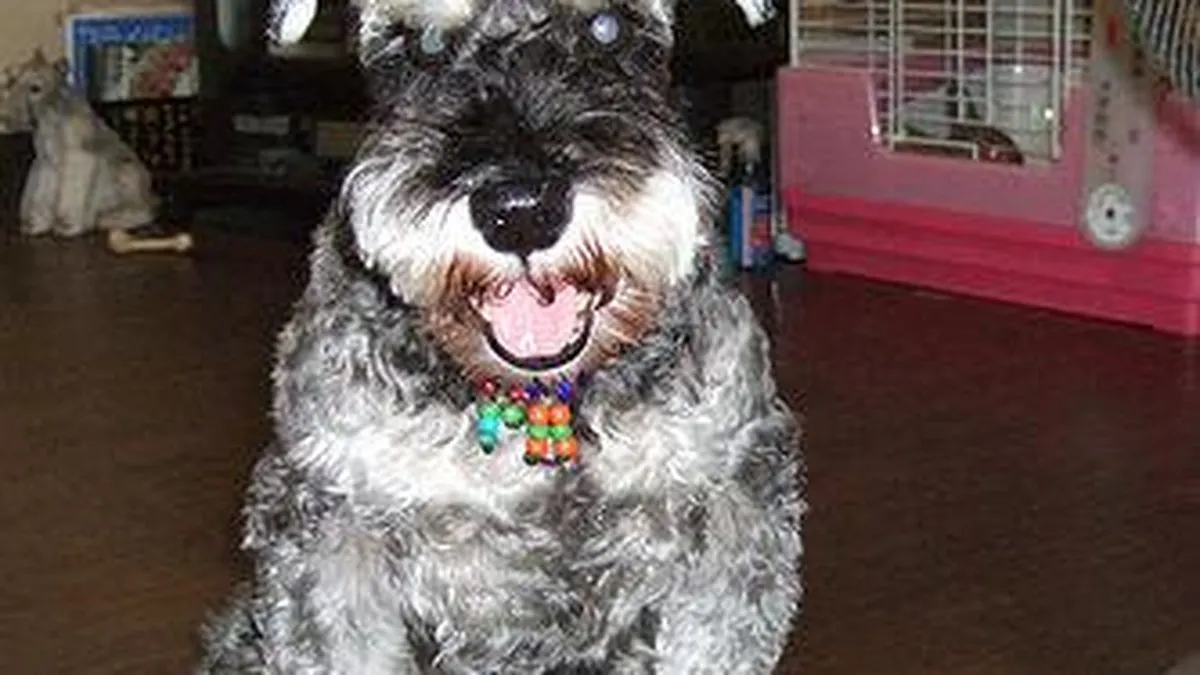
The Schnauzer family has three sizes — Giant, Standard, and Miniature — and the Mini is by far the most popular. Developed in 19th century Germany by crossing the Standard Schnauzer with smaller breeds like the Affenpinscher and Miniature Poodle, the Mini was bred to be a farm ratter — compact enough to chase vermin into tight spaces but tough enough to handle the job. Those distinctive eyebrows and beard aren’t just for show. They were bred to protect the dog’s face from rat bites.
The Miniature Schnauzer came to America in the 1920s and has been a beloved family companion ever since. It’s consistently in the top 20 most popular breeds in the US — and for good reason.
Temperament: Big Dog Brain, Small Dog Body #
The Miniature Schnauzer is what happens when you take the intelligence of a working dog and pack it into a compact, apartment-friendly frame. They’re not content to be “just a pet” — they want to be involved in everything you do. A Mini Schnauzer will follow you from room to room, supervise your cooking, and offer opinions on your life choices (usually in the form of a sharp bark).
They’re alert to a fault. A leaf blows past the window? The Mini Schnauzer has already logged the intrusion and is filing a report. This makes them excellent watchdogs but challenging apartment neighbors if you don’t train the barking from day one.
The breed is famously good with children — patient, playful, and sturdy enough to handle reasonable roughhousing. They’re less reliably good with other dogs, especially same-sex pairs. Early socialization matters enormously.
Health: Generally Sturdy, Watch for These #
| Condition | How Common | What To Know |
|---|---|---|
| Pancreatitis | Elevated risk | Common in Schnauzers. Low-fat diet critical. Avoid table scraps and fatty treats. |
| Bladder Stones | Breed-specific | Mini Schnauzers are prone to calcium oxalate stones. Special diet may be needed. |
| Eye Issues | Moderate | Cataracts and progressive retinal atrophy. Annual eye exams recommended. |
| Myotonia Congenita | Rare (genetic) | Muscle stiffness disease. Genetic test available. Reputable breeders screen for this. |
| Dental Disease | Common | Small mouth with crowded teeth. Daily brushing and annual dental cleanings essential. |
Grooming: The Hypoallergenic Secret #
| Task | How Often |
|---|---|
| Brushing | 2–3× weekly |
| Professional grooming | Every 5–8 weeks |
| Beard cleaning | Daily wipe after meals |
| Nail trimming | Every 2–3 weeks |
| Ear cleaning | Weekly |
The Mini Schnauzer’s wiry double coat barely sheds — one of the best choices for allergy sufferers. However, that wiry coat requires regular professional grooming and the iconic beard needs daily wiping (it collects food, water, and whatever else the dog investigated that day). Many owners keep their Schnauzers in a short “puppy cut” for easier maintenance.
Exercise & Training: Born to Learn #
Mini Schnauzers need 45–60 minutes of daily exercise. They’re surprisingly athletic for their size and excel at agility, obedience, and rally. More importantly, they need mental work. Puzzle toys, training sessions, and scent games prevent the bored barking that drives neighbors crazy.
Training is a joy. These dogs are in the top tier of canine intelligence — they learn commands in 5–10 repetitions and genuinely enjoy the mental challenge. Positive reinforcement works beautifully. Harsh corrections will make a sensitive Schnauzer shut down.
Diet: Low-Fat Is Non-Negotiable #
Adult Mini Schnauzers need about ½ to 1 cup of high-quality, low-fat kibble per day, split into two meals. The breed’s susceptibility to pancreatitis means you must be disciplined about diet — no table scraps, no fatty treats, no exceptions. A single high-fat meal can trigger a pancreatitis attack that requires emergency vet care.
Non-negotiables: Low-fat protein as first ingredient, measured meals (no free-feeding), dental chews for oral health, and zero people food.
Who Should Get a Miniature Schnauzer? #
If you’re deciding, here’s the straight answer.
Get a Mini Schnauzer if: you want a highly intelligent, trainable dog in a compact package, you need a hypoallergenic breed, you’re active and can provide daily exercise, and you don’t mind a dog who barks at delivery trucks.
Skip the Mini Schnauzer if: you want a silent dog, you can’t commit to professional grooming every 6–8 weeks, you’re not willing to train barking from day one, or you can’t maintain a strict low-fat diet.
The Quick Summary #
What’s incredible: Top-tier intelligence, minimal shedding, sturdy with kids, 12–15 year lifespan, genuinely hypoallergenic, outstanding for training and dog sports.
What’s hard: High alertness means lots of barking without training, beard needs daily cleaning, grooming costs every 6–8 weeks, strict low-fat diet required, can be same-sex dog aggressive.
Frequently Asked Questions #
Are Miniature Schnauzers hypoallergenic?
Do Mini Schnauzers bark a lot?
Miniature Schnauzer vs Standard Schnauzer?
How much does a Mini Schnauzer cost?
Are they good with cats?
See also: Hypoallergenic Dogs That Don’t Shed
Similar Breeds #
| Breed | Compared to a Mini Schnauzer |
|---|---|
| Poodle | Also hypoallergenic and highly intelligent. Poodles are less terrier-like, more sensitive |
| Shih Tzu | Lower energy, lower intelligence, equally hypoallergenic. Shih Tzus are couch potatoes |
| Yorkshire Terrier | Much smaller (4–7 lbs), silkier coat, more terrier attitude, less sturdy with kids |
| Pembroke Welsh Corgi | Similar intelligence and alertness. The Corgi sheds heavily and has stronger herding drive |
| Boston Terrier | Similar size and friendliness. Boston is lower energy, less barky, but sheds moderately |
Sources #
- AKC Miniature Schnauzer Breed Standard — size, weight, temperament
- OFA Breed Statistics — hip dysplasia, eye conditions
- McMillan et al. (2024), Scientific Reports — breed lifespan data
- Puppy pricing based on 2025–2026 US breeder market data