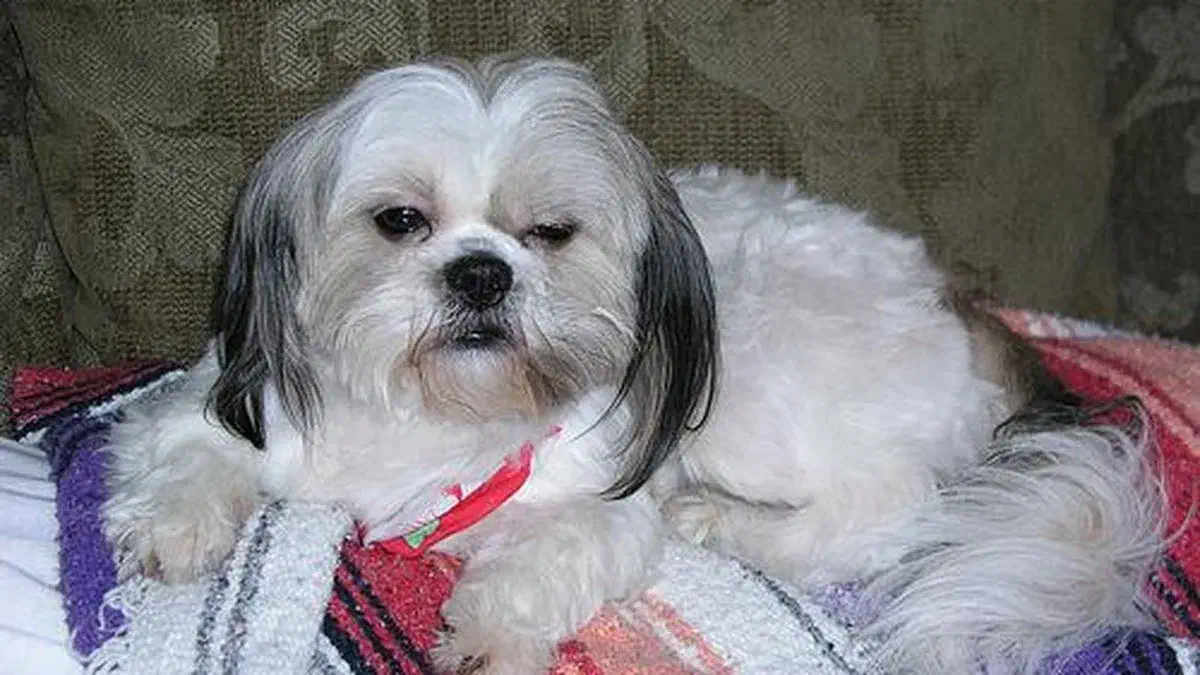

At a Glance #
History: The Little Lion of the Imperial Palace #
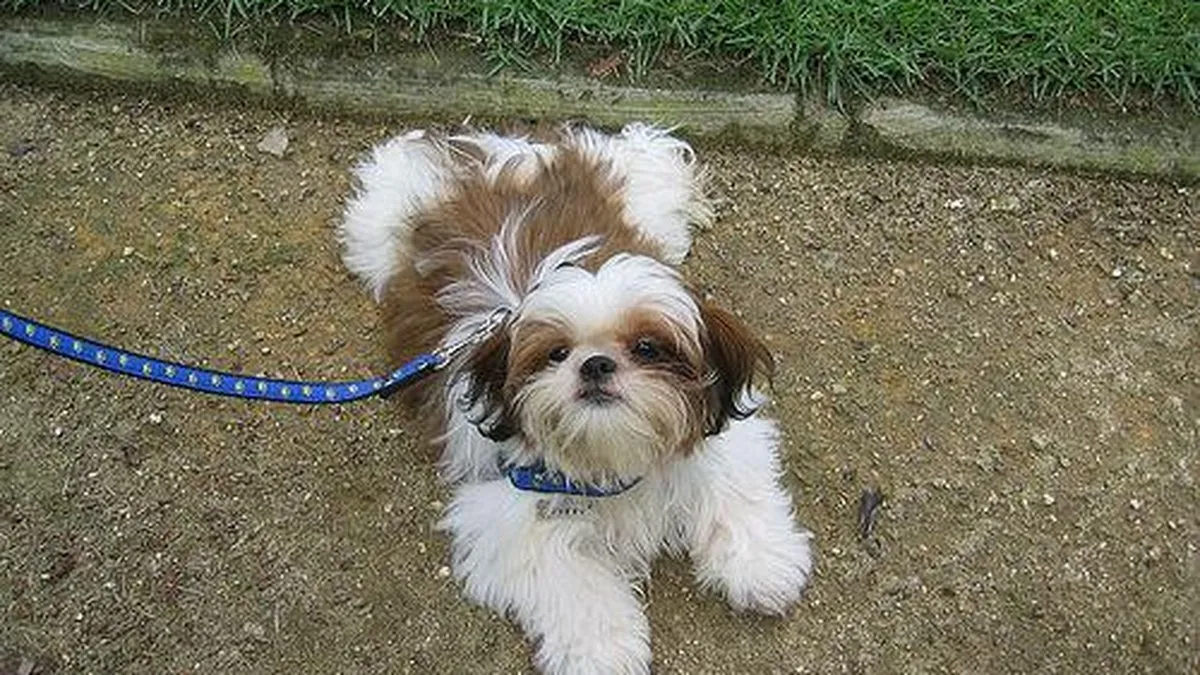
The Shih Tzu’s origins are ancient and somewhat mysterious. DNA evidence places them among the oldest dog breeds in existence, likely descending from crosses between the Lhasa Apso and the Pekingese. Tibetan monks are believed to have developed the breed and gifted them to Chinese emperors, possibly as early as the Tang dynasty (618–907 AD). By the Ming and Qing dynasties, Shih Tzus were firmly established as palace dogs, bred and guarded by court eunuchs.
The breed nearly vanished during the Chinese Revolution of 1911. Communist upheaval made pet ownership politically dangerous, and breeding programs were destroyed. The modern Shih Tzu survives because of a handful of dogs smuggled out of China to England and Scandinavia in the 1930s. Every Shih Tzu alive today traces back to just 14 dogs — seven males and seven females.
The AKC recognized the breed in 1969, and Shih Tzus quickly became one of the most popular toy breeds in America. They’ve been a fixture on the AKC’s most-popular list ever since, consistently ranking in the top 20.
Temperament: Regal, Stubborn, and Incredibly Sweet #
Shih Tzus are born companions. They don’t need a job. They don’t need to run. They need a lap and a human who’s home a lot. This is a breed that was literally designed over centuries to be a lap dog — and it shows in every fiber of their being.
What this looks like in practice:
- They’re affectionate and people-oriented but not neurotic about it. A Shih Tzu will follow you from room to room, but they won’t destroy your furniture if you run to the grocery store.
- They’re outgoing and friendly with strangers. Not suspicious, not aggressive — they’ll greet your guests with enthusiasm.
- They’re alert without being yappy. They’ll let you know someone’s at the door, but they’re not chronic barkers.
- They’re confident and sometimes stubborn. This isn’t a breed that lives to please you. They do things on their own terms.
- They’re surprisingly playful. They’ll have bursts of energy — a few laps around the living room — and then they’re done.
- They’re excellent apartment dogs. Quiet, low-energy, and small enough that space is never an issue.
With Kids and Other Animals #
Shih Tzus are good with children, provided the children are gentle. They’re small (9–16 lbs) and can be injured by rough handling. They’re not fragile like some toy breeds, but they’re not sturdy enough for a toddler who doesn’t know their own strength. With older, respectful kids, they’re wonderful.
With other dogs and cats: generally good. Shih Tzus are social without being dominant. They do well in multi-pet households. Some can be a bit bossy with other dogs, but outright aggression is rare.
Health: Small but Not Invincible #
10–16 years — one of the longer-lived small breeds. Brachycephalic (flat-faced) but less severely than Pugs or French Bulldogs. That said, the flat face still causes issues, and the breed has its share of genetic concerns.
| Condition | How Common | What To Know |
|---|---|---|
| Eye Problems | Very common | Corneal ulcers, dry eye, progressive retinal atrophy — their prominent eyes are vulnerable |
| Patellar Luxation | Common | Kneecap slips out of place; ranges from mild to requiring surgery |
| Dental Disease | Very common | Crowded small mouths trap bacteria; daily brushing is essential |
| Brachycephalic Issues | Moderate | Stenotic nares, elongated soft palate — less severe than Pugs but still present |
| Hip Dysplasia | Moderate | Genetic; screening parents reduces risk |
| Ear Infections | Common | Drop ears trap moisture; weekly cleaning helps prevent |
Bottom line on health: A well-bred Shih Tzu from health-tested parents is generally a healthy, long-lived dog. The biggest ongoing health concern is dental disease — daily tooth brushing isn’t optional. Budget for professional dental cleanings every 1–2 years. Get pet insurance early.
Grooming: The Coat Is the Commitment #
Here’s where Shih Tzus demand real work. That flowing double coat is gorgeous — it’s also the single most time-consuming grooming commitment in the toy group.
| Task | How Often |
|---|---|
| Brushing | Daily — non-negotiable for long coats |
| Professional grooming | Every 4–6 weeks |
| Bathing | Every 3–4 weeks |
| Ear cleaning | Weekly |
| Nail trimming | Every 2–3 weeks |
| Teeth brushing | Daily — essential for dental health |
Most pet owners keep their Shih Tzu in a short “puppy cut” — it’s practical, cute, and dramatically reduces grooming time. A long show coat requires daily brushing to prevent mats, plus regular conditioning and detangling. The hair around their eyes needs attention too — it can irritate the eyes if left untrimmed.
Exercise & Training: Low-Key but Not No-Key #
Shih Tzus need about 20–30 minutes of exercise daily. They’re not athletes and they don’t want to be. A couple of short walks and some indoor play is perfect.
What they love:
- Short, leisurely walks around the neighborhood
- Indoor play sessions — they’re happy chasing a toy across the living room
- Mental stimulation — puzzle feeders and gentle training games
- Sitting on your lap. This is their primary activity and they’re world-class at it.
What to avoid:
- Exercise in heat. They overheat faster than you’d expect.
- Long, strenuous hikes. This is not a trail dog.
- Rough play with larger dogs. They’re small and can be injured.
Training #
Shih Tzus are smart but stubborn. They understand what you’re asking — they just don’t always see why they should comply. This is a breed bred for companionship, not obedience. They have an independent streak that can frustrate first-time owners.
What works:
- Positive reinforcement with high-value treats. They’re food-motivated, which is a big help.
- Short training sessions (5–10 minutes). Attention span is limited.
- Consistency and patience. They’ll get there, but not on your timeline.
- Early socialization. Expose them to different people, places, and sounds as puppies.
What doesn’t work:
- Harsh corrections. They’ll shut down and look at you with those big eyes until you feel guilty.
- Expecting speed. Shih Tzus learn at Shih Tzu speed.
- Giving up on housetraining. They’re notoriously slow to housetrain — some take a full year. Crate training and a rigid schedule are your best tools.
Diet: Small Dog, Small Portions #
Shih Tzus need about 1/2 to 1 cup of high-quality kibble per day, split into two meals. Their small size means calories add up fast — obesity is a real risk and puts extra strain on joints and breathing.
Non-negotiables:
- Measured meals. No free-feeding. Small dogs become overweight quickly.
- High-quality protein as the first ingredient
- Small kibble size — their tiny mouths need appropriately sized pieces
- Treats in moderation — they should make up no more than 10% of daily calories
- Fresh water available at all times
Foods to Avoid #
| Never Feed | Why |
|---|---|
| Chocolate, grapes, raisins | Toxic — can cause kidney failure |
| Onions, garlic | Damages red blood cells |
| Xylitol (sugar-free gum) | Causes rapid blood sugar drop |
| Macadamia nuts | Causes weakness, vomiting |
| Cooked bones | Splinter and can perforate intestines |
Who Should Get a Shih Tzu? #
Get a Shih Tzu if:
- You want a genuine lap dog — a companion whose purpose is being near you
- You live in an apartment or have limited space
- You work from home or are home most of the day
- You’re willing to commit to daily brushing and regular professional grooming
- You want a dog that’s good with gentle children and other pets
- You prefer a low-energy breed that doesn’t need hours of exercise
- You want a hypoallergenic dog — Shih Tzus are one of the better choices for allergy sufferers
Skip the Shih Tzu if:
- You can’t commit to daily brushing — the coat mats painfully if neglected
- You want an active, athletic dog for hiking or running
- You’re away from home 8+ hours daily (they bond closely and need companionship)
- You don’t want to deal with housetraining struggles — this breed is notoriously slow
- You’re on a tight grooming budget — professional grooming every 4–6 weeks adds up
- You want a dog that’s easy to train and lives to obey commands
The Quick Summary #
What’s incredible about Shih Tzus:
- They’re one of the best apartment dogs in existence — quiet, small, low-energy
- They’re genuinely hypoallergenic — one of the few breeds that works for many allergy sufferers
- They’re affectionate and sweet without being neurotic or clingy
- They’re long-lived — 10–16 years is a solid lifespan
- They’re beautiful dogs with a rich, royal history
- They’re friendly with strangers, kids, and other pets
What’s hard about Shih Tzus:
- The coat is a daily commitment — brushing, grooming, and maintenance
- Housetraining can take a full year or more — patience required
- They can be stubborn and independent — not the easiest breed to train
- Eye problems are common and require vigilance
- Dental disease is a serious concern — daily tooth brushing is essential
- They need companionship — not a breed for people who are away all day
- They’re brachycephalic, so heat and strenuous exercise are risky
- Professional grooming costs $400–$800/year
Frequently Asked Questions #
Are Shih Tzus hypoallergenic?
How much do Shih Tzu puppies cost?
Are Shih Tzus hard to housetrain?
Do Shih Tzus bark a lot?
Can Shih Tzus be left alone during the workday?
Do Shih Tzus need professional grooming?
Similar Breeds #
If you love Shih Tzus, also check out:
| Breed | Compared to a Shih Tzu |
|---|---|
| Maltese | Smaller (4–7 lbs), pure white only, more Velcro-attached to one person |
| Pomeranian | Fluffier and more energetic — the Shih Tzu is calmer indoors |
| Cavalier King Charles Spaniel | Larger (13–18 lbs), more energetic, equally affectionate |
| Yorkshire Terrier | Same long coat commitment, smaller (4–7 lbs), more terrier spirit |
| Pug | Another flat-faced charmer — Pugs are more clownish, Shih Tzus more regal |
See also: Maltese vs Shih Tzu — Which Tiny White Dog Wins?
Sources #
- AKC Shih Tzu Breed Standard — size, weight, temperament
- McMillan et al. (2024), Scientific Reports — small-breed lifespan data
- Puppy pricing based on 2025–2026 US breeder market data