
At a Glance #
History: Born in Boston, Made in America #
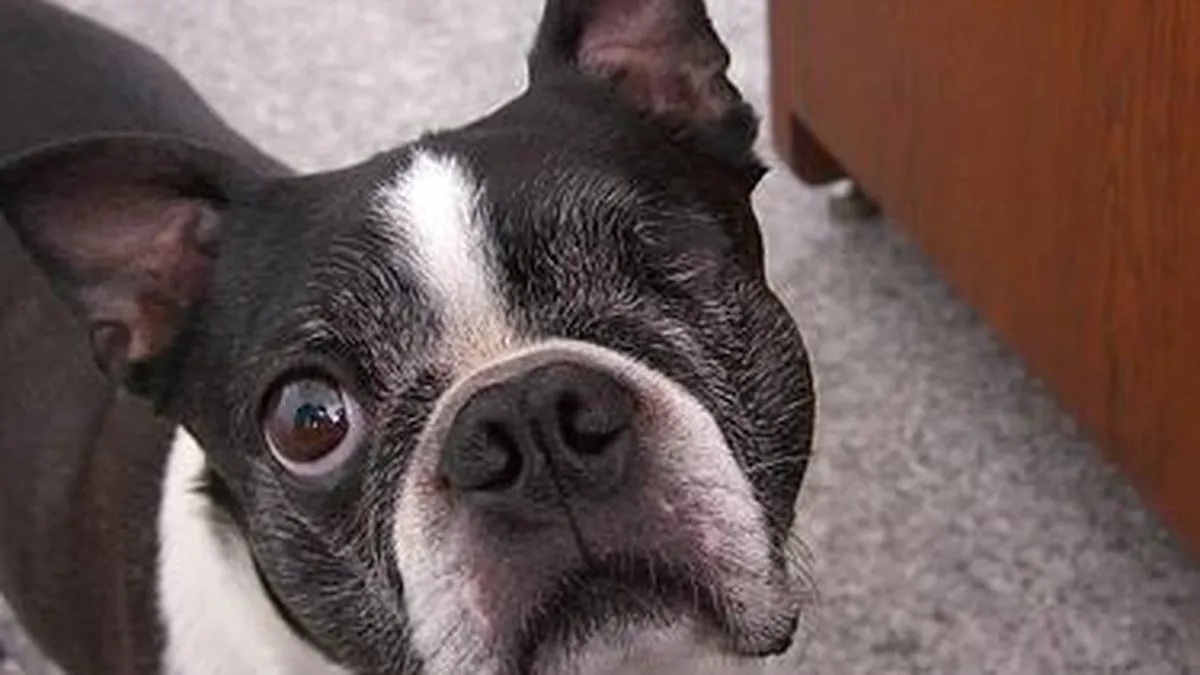
It all started with a dog named Judge. In 1870, Robert C. Hooper of Boston purchased a cross between an English Bulldog and a White English Terrier (now extinct) from a fellow Bostonian. Judge was compact, muscular, and had a square head with a short muzzle. Hooper bred Judge to a smaller female named Burnett’s Gyp, and the offspring became the foundation of the breed.
Early Boston Terriers were larger and more aggressive than today’s version — they were originally bred for pit fighting. But breeders quickly shifted focus. By the 1890s, they’d refined the breed into a companion dog: smaller, gentler, and with the distinctive tuxedo markings that earned them the nickname “The American Gentleman.”
The AKC recognized the Boston Terrier in 1893, making it one of the first non-sporting breeds registered. By the early 1900s, Bostons were the most popular breed in America — a title they held for decades. They’ve been the official state dog of Massachusetts since 1979. Helen Keller owned a Boston Terrier named Phiz. President Warren G. Harding had one named Hub.
The breed’s popularity dipped mid-century as new breeds gained attention, but Bostons have remained a top-25 AKC breed consistently. Their combination of compact size, friendly temperament, and low-maintenance coat keeps them relevant.
Temperament: The Comedian in a Tuxedo #
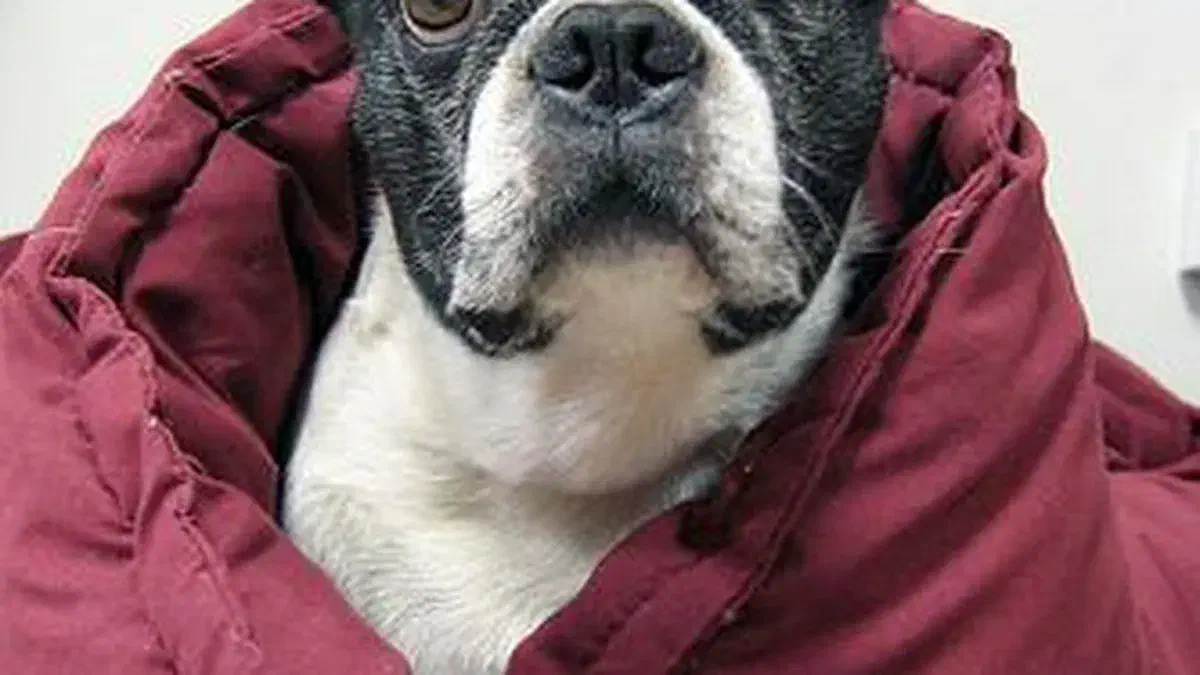
Boston Terriers are funny. Not in the way that some dogs are accidentally amusing — Bostons are intentionally, persistently, hilariously entertaining. They make faces. They snort. They zoom around the house for no reason and then collapse on the nearest lap. They have a sense of comic timing that seems impossible for an animal.
But underneath the comedy, there’s a genuinely sweet dog. Bostons bond closely with their families and want to be involved in everything you do. They’ll follow you from room to room, sit at your feet while you work, and sleep under the covers if you let them. They’re affectionate without being needy — content to sit nearby rather than demanding constant attention.
With children, they’re good but with a caveat. Bostons love kids and will play enthusiastically, but they’re small and somewhat fragile. Very young children can accidentally hurt a Boston by dropping them, stepping on them, or playing too rough. Supervision is more about protecting the dog than the child.
With other dogs, they’re generally friendly and sociable. Bostons don’t have the territorial aggression that some small breeds develop. They do well in multi-dog households and enjoy dog parks — though their brachycephalic face means they can overheat during intense play.
With strangers, they’re polite and welcoming. Bostons aren’t guard dogs — they might bark once to announce a visitor, but they’ll be bringing a toy to the stranger within seconds.
The stubborn streak. Bostons are smart but independent. They’ll learn commands quickly when motivated — but if they decide something else is more interesting, they’ll ignore you. Positive reinforcement with treats is the only training method that works consistently. Harsh corrections make them sulky and uncooperative.
Health: The Healthiest Flat-Face (But Still Flat-Face) #
Boston Terriers are brachycephalic — flat-faced — which comes with a suite of respiratory and heat-sensitivity issues. However, compared to French Bulldogs, English Bulldogs, and Pugs, Bostons are significantly healthier. Their muzzle is longer proportionally, which means better airflow and fewer breathing crises. They’re not problem-free, but they’re the best option in the flat-faced category.
| Condition | How Common | What To Know |
|---|---|---|
| Brachycephalic Syndrome | Common | Heat-sensitive. Avoid strenuous exercise in warm weather. |
| Patellar Luxation | Moderate | Kneecap slips out of place. May need surgery in severe cases. |
| Cataracts | Moderate | Can appear as early as age 2. Annual eye exams recommended. |
| Deafness | Higher in white dogs | Predominantly white Bostons are at higher risk. BAER test puppies. |
| Allergies | Common | Skin and food allergies. May need dietary changes or medication. |
| Cherry Eye | Moderate | Prolapsed third eyelid gland. Surgical correction usually needed. |
| Reverse Sneezing | Common | Sounds alarming but is harmless. Cover nostrils briefly to stop it. |
Heat is the biggest danger. Bostons cannot regulate their temperature as effectively as longer-snouted breeds. They overheat quickly in warm weather, and heatstroke can be fatal. Never leave a Boston outside in hot weather, limit exercise when it’s above 80°F, and always have water available. Air conditioning is not optional for this breed in warm climates.
The gas. Nobody warns you about this enough. Bostons are gassy. Their flat faces cause them to swallow air while eating, and their digestive systems produce impressive amounts of flatulence. This is a feature, not a bug. Embrace it.
Grooming: Almost Too Easy #
Boston Terriers are one of the lowest-maintenance breeds when it comes to grooming. Their short, fine coat barely sheds and requires minimal attention. This is one of the major selling points compared to other popular companion breeds.
| Task | How Often |
|---|---|
| Brushing | Weekly |
| Wrinkle cleaning | Daily |
| Bathing | Every 4–6 weeks |
| Nail trimming | Every 3–4 weeks |
| Teeth brushing | 2–3 times per week |
| Ear cleaning | Weekly check, clean as needed |
The face wrinkles are the main grooming focus. Bacteria and yeast love warm, moist skin folds, and a Boston’s facial wrinkles need daily cleaning with a damp cloth or pet wipe. Skip this and you’ll end up with a smelly, irritated dog who needs vet treatment for skin fold dermatitis.
The coat itself is wash-and-wear. A weekly brush removes loose hair and distributes oils. Bathing is only needed when they’re dirty or smelly. Bostons don’t have the doggy odor that some breeds develop.
Nails should be kept short — long nails affect gait and can cause joint problems over time. If you can hear clicking on hard floors, they’re too long.
Exercise & Training: Moderate Energy, Big Personality #
Boston Terriers need about 30–45 minutes of exercise daily. This is less than most breeds but more than you might expect for a small flat-faced dog. They’re not lazy — they’re just efficient. A good walk in the morning and a play session in the evening keeps them happy and healthy.
What they enjoy:
- Walks at a moderate pace — not too fast, not too far in heat
- Fetch in the living room or yard — they love chasing toys
- Tug-of-war — they have a surprisingly strong grip for their size
- Zoomies around the house — spontaneous, hilarious, and brief
- Puzzle toys and mental stimulation — Bostons are smarter than they look
Heat warning: Limit outdoor exercise when temperatures exceed 80°F. Bostons overheat quickly and can develop heatstroke faster than you’d expect. In summer, shift walks to early morning or evening. Always carry water.
Training: Smart but Stubborn #
Bostons are intelligent and food-motivated, which makes training possible — but their stubborn streak means you need to keep sessions fun and short. They’ll learn quickly when they want to and ignore you when they don’t.
What works:
- Positive reinforcement with treats and praise
- Short sessions (5–10 minutes) — Bostons lose interest fast
- Consistency — same rules for everyone in the household
- Early socialization — expose them to people, dogs, and environments from puppyhood
What doesn’t work:
- Harsh corrections — Bostons are sensitive and will shut down
- Boring repetition — they need variety to stay engaged
- Inconsistency — if jumping on the couch is sometimes allowed, they’ll never understand the rule
Housebreaking can be a challenge. Some Bostons take longer than expected to reliably go outside. Crate training helps significantly. Patience and consistency are essential — this isn’t a breed that responds to frustration.
Diet: Small Dog, Big Appetite #
Adult Boston Terriers need 0.5–1.5 cups of high-quality kibble per day, split into two meals. The exact amount depends on your dog’s weight, age, and activity level. Bostons are prone to obesity, so measured meals are important — no free-feeding.
Key dietary needs:
- High-quality protein as the first ingredient
- Moderate fat content — Bostons gain weight easily
- Measured meals — use a measuring cup, don’t eyeball it
- Limited treats — account for training treats in daily calories
- Slow-feeder bowls — Bostons eat fast and swallow air, which makes the gas worse
Sensitive stomachs. Many Bostons have food sensitivities or allergies. Common triggers include chicken, beef, wheat, and soy. If your Boston has chronic ear infections, itchy skin, or digestive issues, talk to your vet about an elimination diet. A novel protein (salmon, venison, duck) often helps.
Foods to never feed: chocolate, grapes, raisins, onions, garlic, xylitol (sugar-free gum), macadamia nuts, and cooked bones. Bostons are small dogs — toxic foods affect them faster and more severely than larger breeds.
Who Should Get a Boston Terrier? #
Get a Boston if:
- You want a compact, apartment-friendly dog with personality
- You’re looking for a low-shedding, low-maintenance companion
- You want a dog who’s affectionate but not clingy
- You enjoy a funny, entertaining dog who makes you laugh daily
- You live in a climate with moderate temperatures or have air conditioning
- You’re okay with some snoring, snorting, and gas
Skip the Boston if:
- You live in a hot climate without air conditioning — heat is dangerous for this breed
- You want a high-energy running or hiking partner
- You’re bothered by flatulence and snoring
- You want a guard dog — Bostons will welcome intruders
- You have very young children who might accidentally injure a small dog
- You need a dog who’s reliably off-leash — Bostons can be stubborn about recall
The Quick Summary #
What’s wonderful about Bostons:
- Perfect apartment dog — small, quiet, and low-energy
- Hilarious personality — genuinely funny and entertaining
- Low-shedding coat — minimal grooming required
- Healthiest brachycephalic breed — fewer breathing issues than Frenchies or Pugs
- Friendly with everyone — people, dogs, kids
- American-born with a great history
What’s hard about Bostons:
- Heat sensitivity — they can overheat dangerously in warm weather
- The gas is real and constant — embrace it or suffer
- Brachycephalic health issues — snoring, reverse sneezing, breathing limitations
- Stubborn training streak — they know what you want, they just don’t care
- Can be fragile around very young children
- Patellar luxation and eye problems are common
Frequently Asked Questions #
Boston Terrier vs French Bulldog — which should I get?
Are Boston Terriers hypoallergenic?
How much does a Boston Terrier puppy cost?
Do Boston Terriers bark a lot?
Can Boston Terriers handle hot weather?
Are Boston Terriers good with other dogs?
Similar Breeds #
If you love Boston Terriers, also check out:
| Breed | Compared to a Boston |
|---|---|
| French Bulldog | Heavier, lower energy, more health problems, much more expensive |
| Pug | More low-key, more health problems, more shedding |
| Cavalier King Charles Spaniel | Gentler, longer coat, heart issues, more expensive |
| English Bulldog | Much heavier, more health problems, lazier |
| Miniature Schnauzer | Non-brachycephalic, more energetic, wiry coat |
- French Bulldog vs Boston Terrier — Side-by-side comparison of these tuxedo-wearing cousins
Sources #
- AKC Boston Terrier Breed Standard — size, weight, temperament
- Tomlinson et al. (2024), PLOS ONE — BOAS grading: 37.5% of Bostons BOAS Grade 0 vs 10% of Frenchies
- McMillan et al. (2024), Scientific Reports — breed lifespan data
- Puppy pricing based on 2025–2026 US breeder market data