

At a Glance #
Big Dog. Short Legs. #
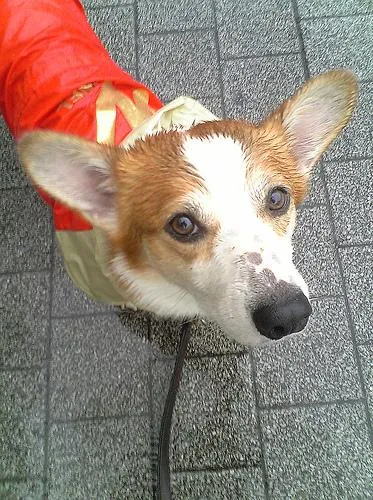
Corgis herded cattle in Wales for a thousand years. Their short stature wasn’t a design flaw — it was tactical. A Corgi runs under a kicking cow, nips at the heels, and ducks before the hoof connects. That’s why they’re built low to the ground. That’s also why they nip at ankles — especially children running through the house. It’s not aggression. It’s a thousand years of instinct that doesn’t know your toddler isn’t a cow.
Temperament: Bossy, Brilliant, and Loud #
A Corgi thinks they run the house. Part of your job as owner is convincing them otherwise.
- Natural herders. They’ll herd everything — children, other dogs, the Roomba, your dinner guests. Nipping at heels is the default. Train it out early.
- Vocal. Corgis bark at the mailman, a leaf falling, the concept of Tuesday. You won’t have a quiet house.
- Smart to a fault. They’re ranked in the top 15 for working intelligence. A bored Corgi becomes a creative Corgi, and their projects usually involve destruction.
- Big-dog confidence. They don’t know they’re small. They’ll challenge dogs three times their size without hesitation.
- Velcro-ish. They want to be near you — preferably supervising whatever you’re doing.
Kids & Other Dogs #
Good with children who are old enough not to run and scream (which triggers the herding instinct). Nipping at running kids is the #1 Corgi complaint. With other dogs, they’re generally fine but can be bossy and prone to resource guarding. Early socialization helps.
Training: They Need a Job #
Corgis learn fast and get bored equally fast. The key is keeping their brain occupied — basic obedience isn’t enough.
What works:
- Agility, herding trials, advanced trick training — anything that engages both brain and body
- Short sessions with variety — repetition makes them check out
- Positive reinforcement. They’re sensitive to correction.
- Clear rules with zero exceptions. If jumping on the couch is once allowed, it’s now law.
Exercise: Don’t Be Fooled by the Short Legs #
45–60 minutes daily. Corgis are surprisingly athletic — they can hike, run, and navigate terrain you wouldn’t expect from a dog with 4-inch legs. Walks alone don’t cut it. They need mental work: puzzle toys, scent games, herding balls.
Under-exercised Corgis bark excessively, nip, and get fat. Corgis gain weight alarmingly fast — their low-to-the-ground frame hides extra pounds until they’re already overweight. You should be able to feel ribs.
Health: That Long Back Is Fragile #
Corgis live 12–13 years. Their biggest vulnerability is the long spine on short legs — intervertebral disc disease (IVDD) is a constant risk. Keep them lean. Don’t let them jump off furniture. Use ramps for cars and beds. One bad landing can mean surgery or paralysis.
Other concerns: hip dysplasia, progressive retinal atrophy, degenerative myelopathy. The usual herding-breed panel.
History: The Fairy Dog of Wales #
Welsh legend says Corgis were gifts from fairies — the markings on their shoulders are “fairy saddles” where woodland warriors rode into battle. More prosaically, they’re descended from the Swedish Vallhund, brought to Wales by Vikings and refined into cattle-herding specialists over a thousand years.
Queen Elizabeth II owned more than 30 Corgis during her reign. Her first, Dookie, arrived in 1933, and she never stopped. That royal endorsement launched the breed into global popularity.
The Bottom Line #
The good: Brilliant, trainable, hilarious, portable size with big-dog personality. Low grooming (despite shedding). Deeply loyal.
The bad: They bark. A lot. They nip at heels. They gain weight if you blink. The long back is fragile. They need real exercise and a job.
Frequently Asked Questions #
Are Corgis good apartment dogs? Yes — size-wise, they’re ideal. But the barking is the problem. If your neighbors are cool with a dog who announces every delivery truck, go for it.
How much do Corgis cost? $1,000–$2,500 from a reputable breeder. Corgis have small litters (4–6) which keeps prices up. Avoid anything under $800.
Why does my Corgi nip at heels? Herding instinct. They were bred to move cattle by nipping at their heels. Train “leave it” and redirect to toys from puppyhood. Never punish the instinct — redirect it.
Do Corgis shed? Oh yes. Heavy shedding year-round with massive blowouts. Invest in a good vacuum.
See also: Best Family Dogs — The Complete Guide
Similar Breeds #
- Cardigan Welsh Corgi — larger, heavier-boned, with a tail
- Australian Shepherd — larger, similarly intelligent, more intense herding drive
- Dachshund — similar long-back concerns, more stubborn
- Shetland Sheepdog — more sensitive, equally vocal, longer coat
- Corgi vs Dachshund — Long body, short legs — totally different personalities
Sources #
- AKC Pembroke Welsh Corgi Breed Standard — size, weight, temperament
- OFA Breed Statistics — hip dysplasia, elbow dysplasia, degenerative myelopathy (DM)
- McMillan et al. (2024), Scientific Reports — breed lifespan data
- Puppy pricing based on 2025–2026 US breeder market data