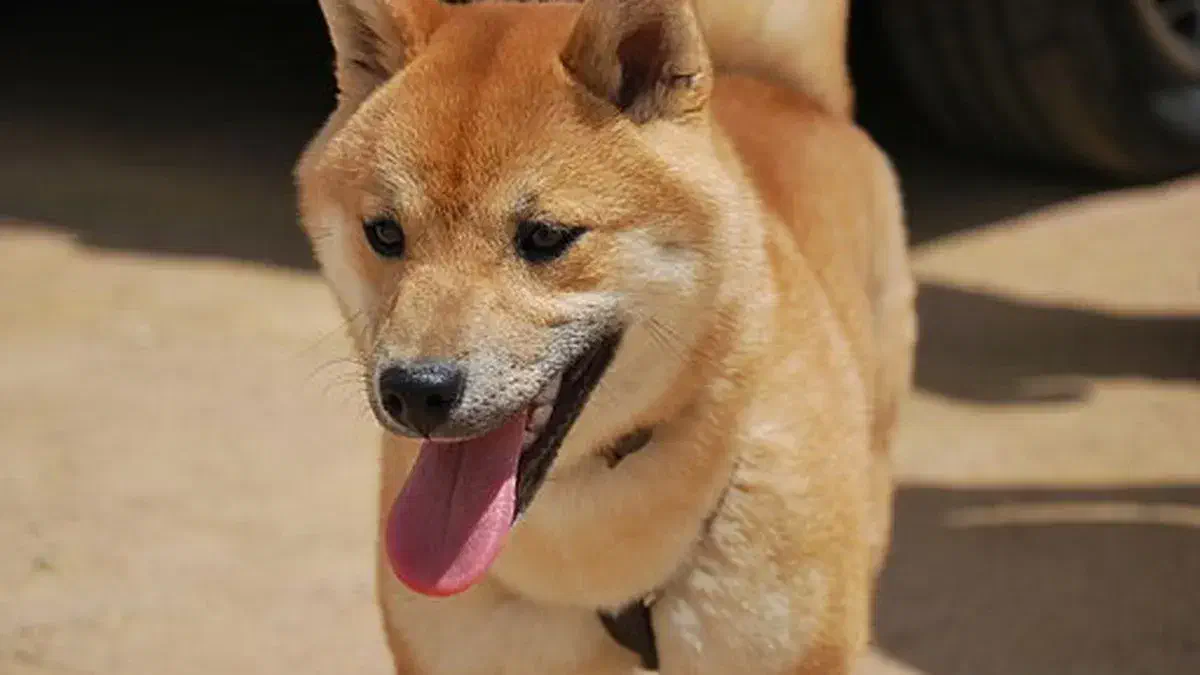

At a Glance #
History: 9,000 Years of Japanese Independence #
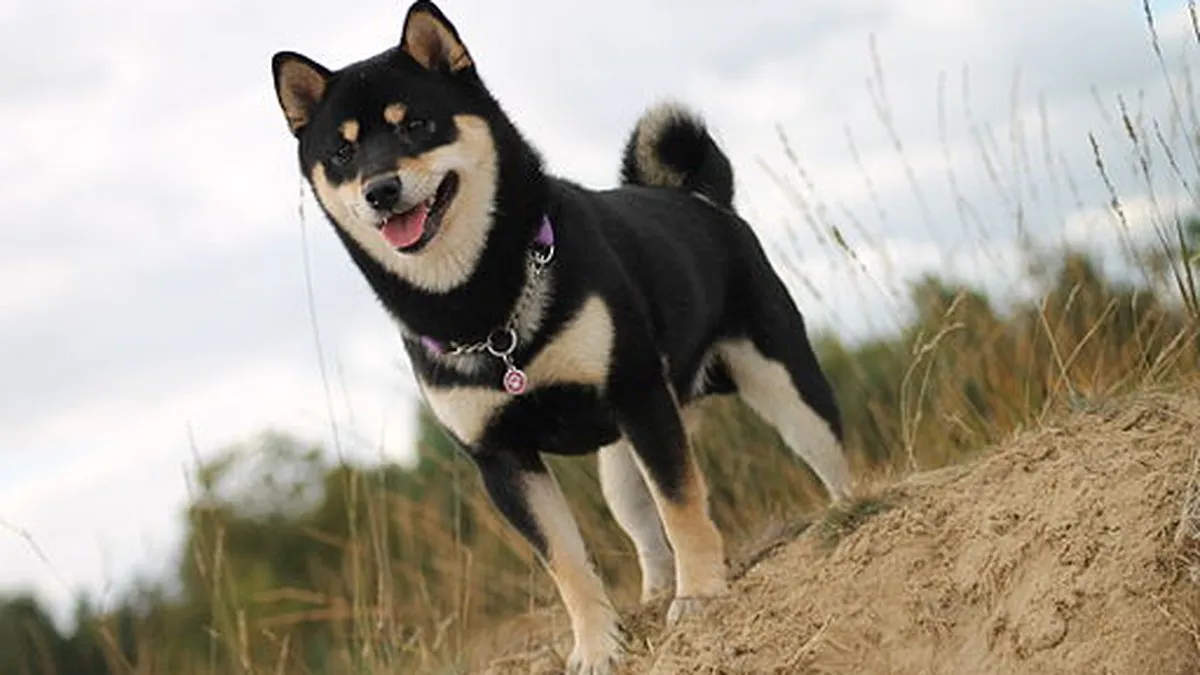
The Shiba Inu is one of the oldest dog breeds on the planet. Archaeological evidence traces its ancestors back to the Jomon period of Japan — roughly 9,000 years ago. These were the dogs that accompanied Japan’s earliest hunter-gatherers, chasing small game through dense mountain underbrush. The name itself tells the story: “Shiba” means “brushwood” in Japanese, possibly referring to the red brushwood trees whose color matches the breed’s iconic red coat, or to the brushy terrain where they hunted. “Inu” simply means “dog.”
By the early 20th century, the Shiba was nearly wiped out. Western breeds imported into Japan interbred with native dogs, and the pure Shiba nearly disappeared. Then came World War II — bombing raids and a devastating distemper outbreak pushed the breed to the brink of extinction. The modern Shiba Inu descends from just three surviving bloodlines: the San’in Shiba, the Mino Shiba, and the Shinshu Shiba. Every Shiba alive today traces back to a handful of dogs rescued from rural mountain villages in the late 1940s.
The breed was declared a Japanese National Monument in 1936. Today, the Shiba is the number one companion dog in Japan, and its popularity has exploded worldwide — fueled in no small part by the “Doge” meme, which turned the Shiba’s signature side-eye expression into an internet legend.
The Shiba Personality: Cat Software, Dog Hardware #
People call the Shiba the “cat of the dog world,” and for once, the cliché is earned. Shibas groom themselves obsessively — they’ll lick their paws like a cat and even wipe their faces after eating. They’re fastidious about staying clean. Housebreaking a Shiba puppy is surprisingly easy, because they instinctively avoid soiling their living space.
But the cat comparison goes deeper than grooming. Shibas are emotionally self-contained. A Golden Retriever wants to be your shadow and emotional support system. A Shiba loves you, but it doesn’t need you in the same way. It will greet you at the door, accept a head scratch, and then go back to its own business. This emotional independence can feel like aloofness to someone expecting Labrador-level enthusiasm.
The Shiba’s most famous trait — besides the “Doge” side-eye — is the Shiba scream. It’s not a bark. It’s not a howl. It’s a high-pitched, earsplitting shriek that Shibas deploy when they’re unhappy, overexcited, or being handled in a way they don’t like. Nail trims, baths, vet visits — any situation where a Shiba feels it’s lost control can trigger the scream. First-time Shiba owners are often convinced their dog is dying. It’s not. It’s just expressing an opinion. Loudly.
Shibas are also notorious escape artists. A six-foot fence is a suggestion, not a barrier. They dig, they climb, they squeeze through gaps you’d swear were impossible. A Shiba off-leash is a Shiba that’s about to go on an unplanned solo adventure. This is the hunting dog DNA at work — they were bred to range independently, and that instinct is bone-deep.
Health #
Shibas are generally a healthy breed — that 12-16 year lifespan is no accident. But they have a few well-known vulnerabilities.
| Condition | How Common | What To Know |
|---|---|---|
| Patellar Luxation | Common | Slipping kneecap, common in small breeds. Mild cases managed with weight control; severe needs surgery. |
| Hip Dysplasia | Moderate | Less common than in larger breeds but present. Ask breeder for OFA certification. |
| Allergies | Common | Environmental and food allergies. Watch for excessive licking, paw chewing, ear infections. |
| Glaucoma | Elevated risk | Shibas have higher glaucoma rates than many breeds. Annual eye exams recommended. |
| Hypothyroidism | Occasional | Underactive thyroid. Treatable with daily medication if caught early. |
| Progressive Retinal Atrophy | Rare (but tested) | Genetic test available. Reputable breeders screen for this. |
Exercise & Training: The Art of Negotiation #
Shibas need a solid daily walk — 45 to 60 minutes — but they’re not endurance athletes. Two 25-minute walks plus some backyard zoomies is often enough. What they need more than physical distance is mental engagement. A bored Shiba is a destructive Shiba. They’ll redecorate your couch cushions, excavate your garden, or find creative ways to escape if they’re understimulated.
Puzzle toys, scent games, and training sessions work wonders. A Shiba’s brain needs exercise as much as its legs.
Training #
Here’s the thing about training a Shiba: you can’t muscle it. If you try to dominate a Shiba, you’ll lose. Not because the Shiba will fight you — it’ll just check out entirely. Shibas don’t respond to force. They respond to deals.
The key is making the Shiba believe your idea was its idea. Food motivation varies wildly by individual — some Shibas will do anything for a treat, others are so picky they’ll turn their nose up at premium chicken if it’s not the right brand. Find what your Shiba values, and use it.
Socialization is non-negotiable. A Shiba raised without exposure to different people, dogs, and environments between 8 and 16 weeks can become a reactive adult — aggressive toward other dogs, terrified of strangers, or both. The breed’s natural wariness needs to be shaped into confidence through positive early experiences.
Recall training deserves special attention. Assume your Shiba will never have reliable recall, and work from there. Some individuals can achieve it with years of training. Many cannot. This is not a training failure — it’s the breed. Plan accordingly: fenced yards, long lines, and zero off-leash trust.
Grooming: Easier Than You’d Think (Except Twice a Year) #
| Task | How Often |
|---|---|
| Brushing | 2–3× weekly (daily during shedding season) |
| Bathing | Every 4–6 weeks (they stay remarkably clean) |
| Nail trimming | Every 2–3 weeks (prepare for the scream) |
| Teeth brushing | 2–3× weekly |
| Ear cleaning | Weekly check, clean as needed |
Shibas have a double coat that “blows” twice a year. When that happens, you’ll wonder how a 20-pound dog can produce the equivalent of an entire second dog in loose fur. During shedding season, daily brushing is non-negotiable. A slicker brush and an undercoat rake are your best friends. Outside of shedding season, the coat is surprisingly low-maintenance — a quick brush a couple times a week does the job.
Diet: Don’t Let the Picky Eater Win #
Adult Shibas need about 1–1.5 cups of high-quality kibble per day, split into two meals. The challenge isn’t knowing what to feed — it’s that many Shibas are notoriously picky eaters. Some will turn their nose up at food they loved yesterday. Don’t panic. Don’t start playing chef. A healthy Shiba won’t starve itself.
Non-negotiables:
- High-quality protein as the first ingredient
- Measured meals — no free-feeding, ever. Picky eaters get worse with grazing
- Joint supplements (glucosamine/chondroitin) starting at age 4–5
- Fish oil for coat health and inflammation
If your Shiba skips a meal, pick up the bowl after 15 minutes and try again at the next mealtime. Changing foods constantly to tempt a picky Shiba trains the dog to hold out for something better. Consistency wins.
Who Should Get a Shiba? #
If you’re on the fence, here’s the honest breakdown.
Get a Shiba if:
- You respect a dog’s independence and don’t need constant affection
- You’re patient with training and have a sense of humor about stubbornness
- You have a securely fenced yard and zero illusions about off-leash reliability
- You want a clean, quiet (scream aside) indoor companion
- You’re okay with seasonal fur explosions
Skip the Shiba if:
- You want a dog that obeys commands eagerly (get a Labrador)
- You plan to walk off-leash in unfenced areas
- You can’t handle a dog that screams during nail trims
- You have small pets like rabbits or hamsters (prey drive is real)
- You want a dog that loves every stranger it meets
The Quick Summary #
What’s incredible about Shibas:
- They’re strikingly beautiful — the fox face and curled tail stop traffic
- Naturally clean and easy to housebreak — some owners say it’s like having a cat
- Loyal without being clingy — they love you without needing you 24/7
- Long lifespan (12–16 years) with relatively few major health issues
- Quiet indoors — they’re not barkers, and the “scream” is situational
What’s hard about Shibas:
- Stubbornness is the defining trait. Training is negotiation, not command
- Escape artistry — fencing is mandatory, not optional
- Unreliable recall means no off-leash freedom
- Seasonal shedding is brutal — your vacuum will get a workout
- Dog-selectivity, especially same-sex combinations
Frequently Asked Questions #
Are Shiba Inus good for first-time dog owners?
Do Shibas get along with cats?
Can Shibas live in apartments?
Why does my Shiba scream?
How much does a Shiba Inu cost?
Shiba Inu vs Akita — what's the difference?
See also: Best Family Dogs — The Complete Guide
Similar Breeds #
If you love Shiba Inus, also check out:
| Breed | Compared to a Shiba |
|---|---|
| Pomeranian | Similar fox-like face and double coat, but tiny (3–7 lbs), more people-focused, and far less independent |
| Siberian Husky | Shares the dramatic personality and escape-artist tendencies. Husky is much larger, more social, and howls instead of screaming |
| German Shepherd | Larger (50–90 lbs) but shares the intelligence and wariness of strangers. GSDs are far more trainable and handler-focused |
| Pembroke Welsh Corgi | Another ancient spitz-type. The Corgi is more trainable and people-pleasing, but sheds just as heavily |
| Chihuahua | Another small breed with a big personality. Chihuahua is more attached to one person and far less independent outdoors |
Sources #
- AKC Shiba Inu Breed Standard — size, weight, temperament
- McMillan et al. (2024), Scientific Reports — median lifespan 14.6 years (one of the longest-lived breeds)
- Breed history from Japanese Kennel Club and Nihon Ken preservation records
- Puppy pricing based on 2025–2026 US breeder market data