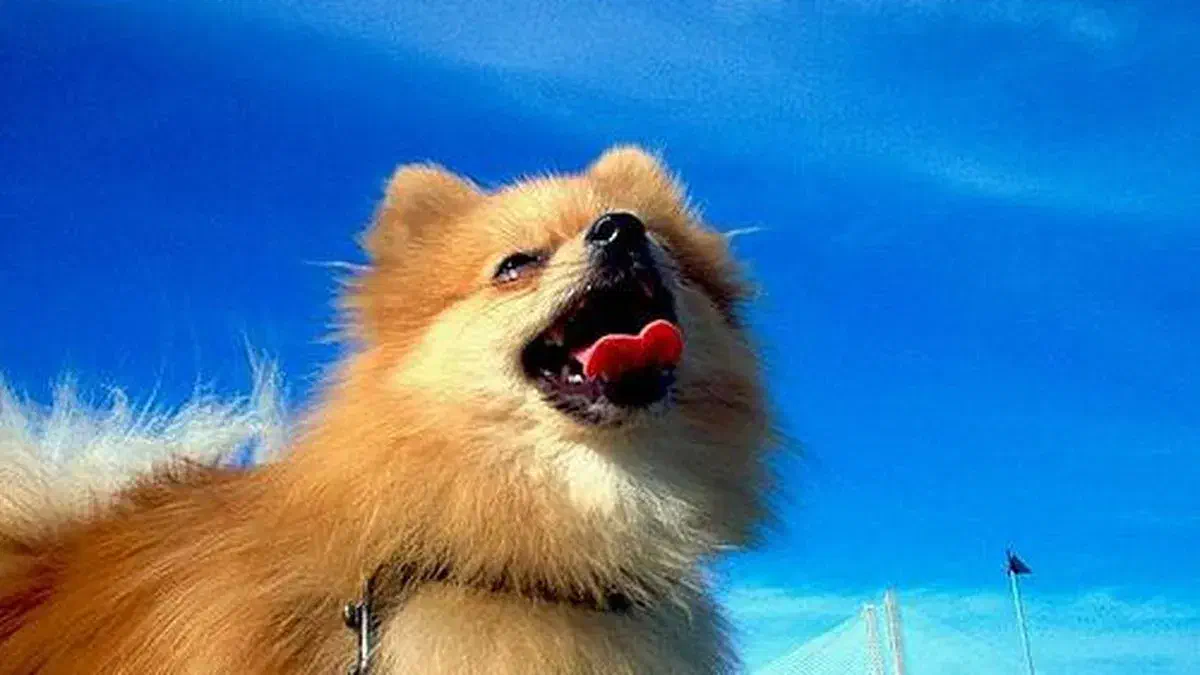

At a Glance #
History: From Arctic Sled Dog to Royal Lapwarmer #
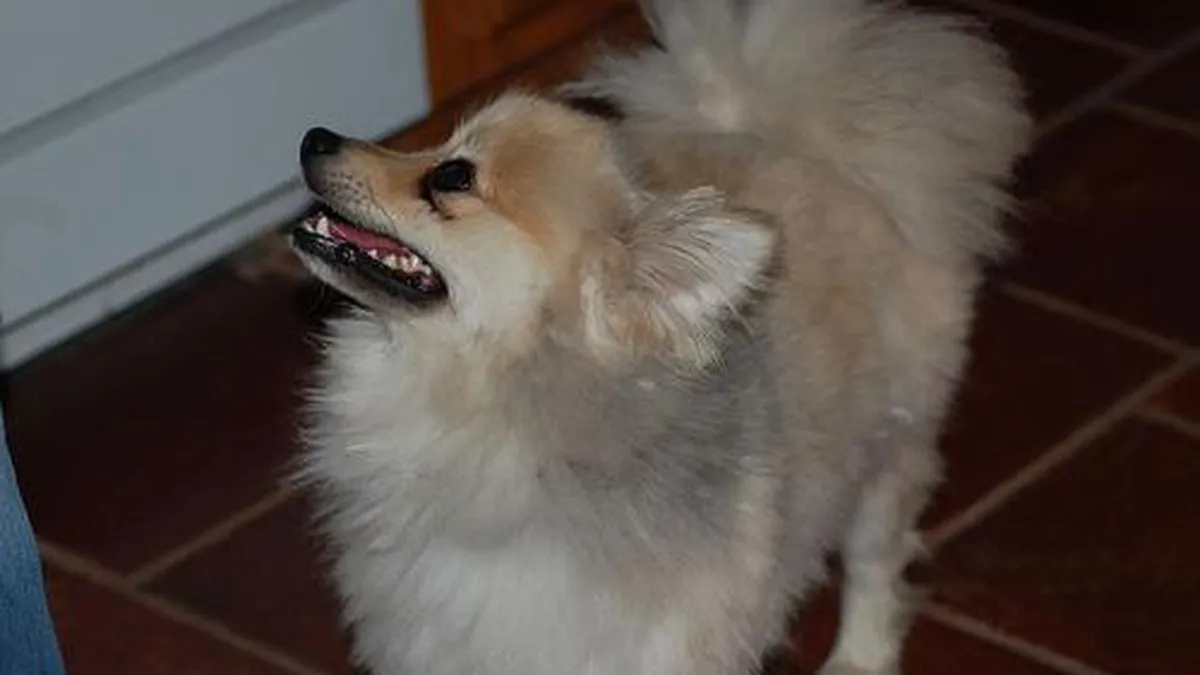
The Pomeranian’s ancestors were working Spitz dogs — sturdy animals that pulled sleds, herded sheep, and guarded property in the harsh climates of northern Europe. German Spitz varieties of various sizes existed for centuries, but it was in 18th-century England that the breed began its transformation into a companion animal.
Queen Charlotte (wife of King George III) brought two white Pomeranians to England in 1761, and the breed gained royal attention. But it was her granddaughter, Queen Victoria, who truly made the breed fashionable. During a trip to Italy in 1888, Victoria fell in love with a small Pomeranian named Marco and established a breeding kennel that produced over 30 Pomeranians. Under her influence, the breed’s size dropped dramatically — dogs in her era weighed around 18–20 pounds, and by the time of her death in 1901, the breed had shrunk further toward the modern standard.
The AKC recognized the Pomeranian in 1888, making it one of the earliest toy breeds registered in the United States. Today, the Pom consistently ranks among the top 25 most popular breeds in America.
Temperament: Small Dog, Enormous Personality #
The defining trait of the Pomeranian is self-confidence. This is a dog with absolutely no concept of its own size. A Pom will bark at a Rottweiler, demand attention from strangers, and patrol the house like a security guard who weighs less than a bag of sugar.
What this looks like in practice:
- They’re vocal. Pomeranians are alert barkers — they’ll announce every visitor, delivery truck, and suspicious leaf that blows across the yard. Without training, this becomes a problem fast.
- They’re curious and busy. A Pom is always investigating, exploring, and getting into things. They’re not couch potatoes.
- They bond closely with one person. They can be affectionate with the whole family, but they typically pick a favorite.
- They’re extroverted. Most Poms love meeting new people and will demand attention from anyone who makes eye contact.
- They can be bossy. Without boundaries, Poms develop “small dog syndrome” — snapping, guarding resources, and refusing to listen. Treat them like a real dog, not a stuffed animal.
With Kids and Other Animals #
Pomeranians are fragile — 3–7 pounds of bone and fluff — which makes them poorly suited for households with toddlers. A small child can accidentally injure a Pom with a single rough grab or fall. Older, respectful children (10+) who understand how to handle small dogs are a much better fit.
With other dogs: variable. Poms often don’t realize they’re tiny and will challenge much larger dogs, which can end badly. Proper introductions and supervision are essential. They can coexist with cats, especially if raised together, but their prey drive means they may chase unfamiliar cats.
Health: Small but Not Invincible #
The Pomeranian is generally a healthy breed with a lifespan of 12–16 years, which is excellent for a toy breed. However, their tiny size comes with specific vulnerabilities that owners need to understand.
The size factor: Everything about a Pomeranian is small — including their bones, joints, and airways. A fall from a couch, a rough play session with a larger dog, or even jumping off a bed can cause fractures. Luxating patella (slipping kneecaps) is particularly common and can require surgery. Collapsing trachea is another concern — use a harness, never a collar, for walks.
Common Health Issues #
| Condition | How Common | What To Know |
|---|---|---|
| Luxating Patella | Common | Slipping kneecaps; may need surgery in severe cases |
| Collapsed Trachea | Common | Use a harness instead of a collar to reduce risk |
| Dental Disease | Very common | Tiny mouths crowd teeth; daily brushing and dental cleanings needed |
| Alopecia X | Moderate | "Black skin disease"; coat loss with no clear cause |
| Hypothyroidism | Moderate | Manageable with daily medication |
| Eye Problems | Moderate | Cataracts, tear duct issues; regular eye exams recommended |
| Hypoglycemia | Common in puppies | Low blood sugar; feed small, frequent meals |
Bottom line on health: Buy from a breeder who screens for patella, heart, and eye issues. Keep your Pom at a healthy weight — obesity stresses tiny joints. And take dental care seriously from day one. Pomeranian mouths are small enough that dental disease can lead to tooth loss and systemic infections faster than you’d expect.
Grooming: The Fluff Is a Commitment #
| Task | How Often |
|---|---|
| Brushing | 2–3 times per week (daily during shedding season) |
| Bathing | Every 3–4 weeks |
| Ear cleaning | Weekly |
| Nail trimming | Every 2–3 weeks |
| Teeth brushing | Daily (seriously) |
| Professional grooming | Every 4–6 weeks |
The Pomeranian’s double coat is dense and luxurious — a soft, thick undercoat beneath a longer, harsher outer coat. It requires regular maintenance, and during seasonal shedding (spring and fall), expect to brush daily. Hair will be everywhere.
Professional grooming runs $40–$75 per session. Budget $400–$800 annually. A “teddy bear” cut is popular for Poms but still requires regular trims to maintain.
Exercise & Training: Small Doesn’t Mean Lazy #
Pomeranians need 20–30 minutes of daily exercise — modest compared to larger breeds, but non-negotiable. A Pom without adequate exercise and mental stimulation will find destructive outlets: excessive barking, chewing, and general mischief.
What works for Poms:
- Short walks (15–20 minutes twice daily)
- Indoor play sessions — fetch with small toys, hide-and-seek
- Puzzle toys and food-dispensing toys
- Short training sessions — they love learning tricks and showing off
- Agility for tiny dogs — Poms actually excel at this
A word about outdoor exercise: Pomeranians overheat easily in warm weather and get cold quickly in winter. Monitor them in extreme temperatures and adjust accordingly. They’re apartment dogs at heart — they don’t need a yard, but they do need stimulation.
Training #
Pomeranians are intelligent and capable of learning quickly. They’re also independent and strong-willed, which can make training a negotiation rather than a straightforward process.
What works:
- Positive reinforcement. Treats, praise, and play. Poms respond well to rewards and shut down with harsh corrections.
- Short sessions (5–10 minutes). They get bored fast.
- Consistency. If you let them on the couch today, they’ll expect it forever.
- Early socialization. Expose puppies to different people, sounds, and environments between 8–16 weeks. Undersocialized Poms become fearful and reactive.
- “Quiet” command. Start training this immediately. An untrained Pom will bark at everything, and once the habit is established, it’s hard to break.
What doesn’t work:
- Punishment-based methods. They’ll become fearful or defiant.
- Treating them like babies. Coddling a Pom without setting boundaries creates a tiny tyrant.
Diet: Small Stomach, Big Needs #
Pomeranians need 1/4 to 1/2 cup of high-quality small-breed kibble per day, split into two or three meals. Toy breeds are prone to hypoglycemia (low blood sugar), especially as puppies — small, frequent meals help prevent dangerous drops.
Non-negotiables:
- High-quality protein as the first ingredient
- Small-breed formula (smaller kibble size for tiny mouths)
- Measured meals — never free-feed a Pom; obesity stresses their joints
- Fresh water available at all times
- Dental chews to help with their constant dental issues
Foods That Are Dangerous for Pomeranians #
| Never Feed | Why |
|---|---|
| Chocolate, grapes, raisins | Toxic — even tiny amounts can be dangerous for toy breeds |
| Onions, garlic | Damages red blood cells |
| Xylitol (sugar-free gum) | Causes rapid, potentially fatal blood sugar drop |
| Macadamia nuts | Causes weakness, vomiting, tremors |
| Cooked bones | Splinter and can perforate intestines |
Because Pomeranians are so small, even a tiny amount of toxic food can cause serious harm. Be extra vigilant about what’s within reach — a single chocolate chip can be a vet visit.
Who Should Get a Pomeranian? #
Get a Pomeranian if:
- You want a small, portable companion with a big personality
- You live in an apartment or small space — Poms adapt well
- You’re home frequently or can take your dog with you
- You don’t mind regular grooming and brushing
- You enjoy a dog that’s alert, vocal, and entertaining
- You have older children or an adults-only household
- You want a long-lived companion (12–16 years is excellent for any breed)
Skip the Pomeranian if:
- You have toddlers or very young children — Poms are too fragile
- You want a quiet dog — Poms bark, and they bark a lot
- You can’t commit to dental care — toy breeds need it desperately
- You want a laid-back lap dog — Poms are busy and demanding
- You have large, boisterous dogs — a Pom can get hurt
- You’re away from home all day — Poms bond closely and can develop separation anxiety
The Quick Summary #
What’s incredible about Pomeranians:
- Huge personality in a tiny package — entertaining, bold, and endlessly curious
- Long lifespan (12–16 years) with relatively few serious health issues
- Adaptable to apartment living and small spaces
- Surprisingly trainable and athletic for a toy breed
- Gorgeous, luxurious coat that draws attention everywhere
What’s hard about Pomeranians:
- Barking can be excessive without early, consistent training
- Dental disease is nearly inevitable without diligent care
- Fragile — a fall or rough play with a larger dog can cause serious injury
- Grooming is a significant commitment; never shave the coat
- Can develop “small dog syndrome” if not treated with firm, fair boundaries
Frequently Asked Questions #
Do Pomeranians bark a lot?
Are Pomeranians good apartment dogs?
How much does a Pomeranian puppy cost?
Can Pomeranians be left alone?
Are Pomeranians hypoallergenic?
Do Pomeranians get along with other dogs?
See also: Best Apartment Dogs — The Complete Guide
Similar Breeds #
If you love Pomeranians, also check out:
| Breed | Compared to a Pomeranian |
|---|---|
| Yorkshire Terrier | Similar size, silkier coat, more terrier drive |
| Chihuahua | Less grooming, even more attitude, shorter coat |
| Papillon | Lighter build, equally intelligent, large butterfly ears |
| Shih Tzu | Calmer, less vocal, similar grooming demands |
| Havanese | Slightly larger, gentler temperament, equally fluffy |
- Chihuahua vs Pomeranian — Tiny dogs, massive personalities compared
Sources #
- AKC Pomeranian Breed Standard — size, weight, temperament
- McMillan et al. (2024), Scientific Reports — small-breed lifespan data
- Puppy pricing based on 2025–2026 US breeder market data