
At a Glance #
History: Sacred Companions of the Ancient Americas #
Archaeological evidence suggests the Techichi was a slightly larger, heavier dog than the modern Chihuahua — mute, and possibly used in religious rituals. Toltec carvings at the ancient city of Tula depict small dogs resembling Chihuahuas. When the Spanish conquistadors arrived in the 1500s, they documented tiny dogs being kept by indigenous peoples throughout Mexico.
The breed as we know it today was discovered by American travelers in the mid-1800s in Chihuahua, Mexico. They brought dogs back to the United States, and the AKC registered the first Chihuahua in 1904. The breed exploded in popularity throughout the 20th century, and today consistently ranks among the top 30 most popular breeds in America.
The modern Chihuahua comes in two coat varieties — smooth coat and long coat — and in virtually every color and pattern known to dogs. They’ve become cultural icons: celebrity accessories, Taco Bell mascots, and the undisputed champions of dogs who don’t know how small they are.
Temperament: One Dog, One Person, Everyone Else Is Suspicious #
A Chihuahua bonds intensely with ONE person. Everyone else is tolerated at best, distrusted at worst. This isn’t a flaw — it’s the breed’s defining characteristic. Your Chihuahua will follow you from room to room, sit on your lap for hours, sleep under your covers, and growl at your partner for getting too close. If you want a dog who loves the whole family equally, get a Lab.
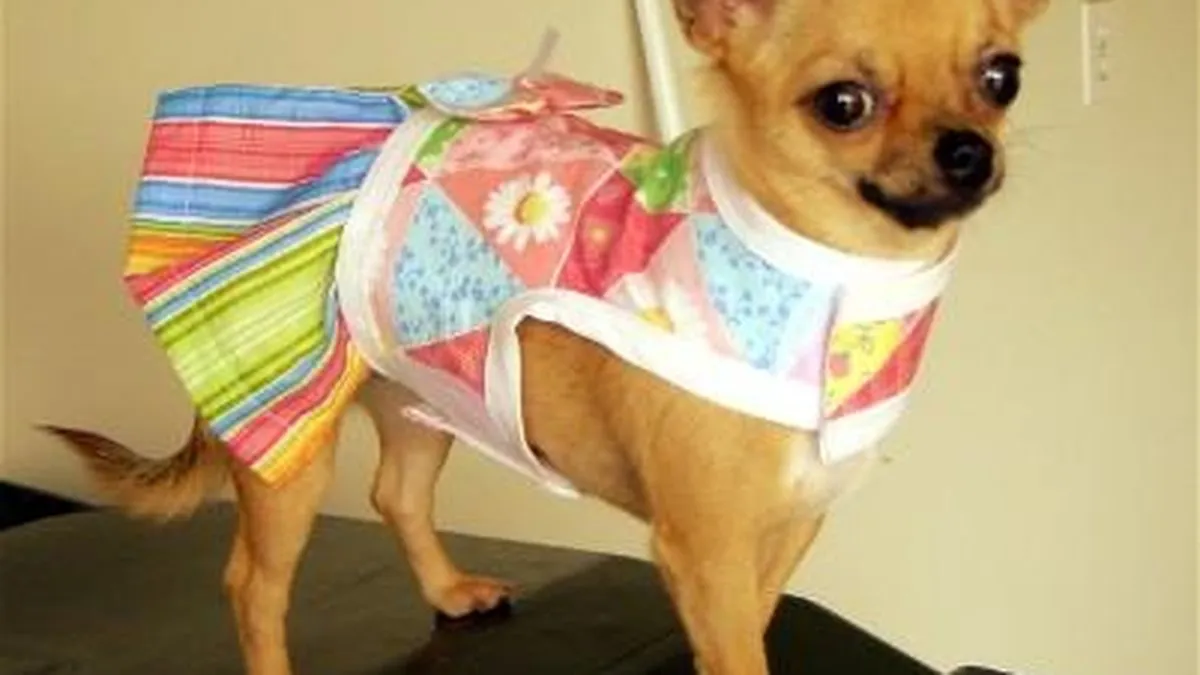
They’re burrowers — under blankets, in sweatshirts, between couch cushions, inside pillowcases. This is instinctive behavior inherited from their desert-dwelling ancestors who burrowed to regulate body temperature. They shake when cold (no body fat to insulate them), when excited, or when anxious. A sweater helps in cold weather. This is not optional — a Chihuahua in a cold climate without a coat is a miserable Chihuahua.
The barking. Chihuahuas announce everything. The mailman, a leaf blowing across the yard, a car three blocks away, the wind. They have opinions and they share them loudly. Training a “quiet” command early is essential, or you need to accept a vocal household. They’re also surprisingly effective watchdogs — what they lack in size they make up for in sheer volume and persistence.
With other dogs, Chihuahuas are complicated. They tend to prefer their own breed and can be aggressive toward larger dogs — which is genuinely dangerous for a 3-pound animal. Proper socialization from puppyhood is critical. Unsocialized Chihuahuas become snappy, anxious, and defensive. They’ll challenge a Great Dane without a moment’s hesitation, which is not bravery — it’s a complete absence of self-preservation instinct.
The small-dog exception. Many owners make the mistake of letting Chihuahuas get away with behavior they’d never tolerate from a larger dog — snapping, growling, resource guarding. This creates the infamous “ankle biter” stereotype. Chihuahuas need the same boundaries, training, and socialization as any other breed. They’re smart enough to learn. They’re also stubborn enough to test you every single day.
Health: Tiny Dog, Long Life, Specific Risks #
Chihuahuas are one of the longest-lived breeds, routinely reaching 15–20 years. Some have been documented past 20. This is genuinely a two-decade commitment, and you should plan accordingly. The good news is they’re generally healthy. The bad news is their tiny size creates specific vulnerabilities.
| Condition | How Common | What To Know |
|---|---|---|
| Patellar Luxation | Very common | Kneecap slips out of place. Ranges from mild to requiring surgery. |
| Dental Disease | Almost universal | Tiny mouths crowd teeth. Daily brushing and dental cleanings are critical. |
| Hypoglycemia | Common in puppies | Low blood sugar in tiny puppies. Feed small meals 3–4 times daily. |
| Collapsing Trachea | Moderate | Weakened cartilage rings in the windpipe. Always use a harness, never a collar. |
| Heart Disease | Moderate | Mitral valve disease and patent ductus arteriosus. Regular cardiac screening recommended. |
| Hydrocephalus | Occasional | Fluid buildup in the skull. More common in apple-head Chihuahuas. Watch for a domed skull and bulging eyes. |
| Molera (Open Fontanel) | Common | Soft spot on the skull. Some never close fully. Protect the head from impacts. |
Bottom line on health: Dental care is the number-one health priority for Chihuahuas. Tiny mouths mean crowded teeth, rapid tartar buildup, and early tooth loss. Brush teeth daily if possible, and budget for professional dental cleanings. Always use a harness instead of a collar to protect the trachea. Keep puppies warm and fed frequently to prevent hypoglycemia.
Grooming: Low Maintenance, High Value #
Chihuahuas are one of the easiest breeds to groom. Their small size means even a full bath takes minutes, and their coat — whether smooth or long — requires minimal effort compared to larger breeds.
| Task | How Often |
|---|---|
| Brushing | Weekly (smooth coat); 2–3x/week (long coat) |
| Bathing | Every 3–4 weeks |
| Teeth brushing | Daily (ideal) or minimum 3x/week |
| Nail trimming | Every 2–3 weeks |
| Ear cleaning | Weekly check; clean as needed |
| Sweater fitting | Any time the temperature drops below 60°F |
The long coat variety needs more brushing to prevent tangles behind the ears and around the legs, but neither coat type requires professional grooming. The smooth coat sheds moderately — a quick weekly brush keeps it under control. Both varieties benefit from regular dental care, which is by far the most important grooming task for this breed.
Exercise & Training: Small Body, Big Energy Bursts #
Chihuahuas need about 20–30 minutes of daily exercise. This can be broken into two short walks plus indoor play. They have surprising energy bursts — zoomies around the living room, enthusiastic play sessions — but they tire quickly and will happily nap for most of the day.
What they enjoy:
- Short walks around the neighborhood (they love sniffing everything)
- Indoor play with small toys
- Burrowing under blankets (this is exercise for them, apparently)
- Following you from room to room (their primary daily activity)
What they can’t do:
- Long hikes or strenuous exercise — they overheat and tire quickly
- Rough play with larger dogs — risk of injury is real
- Jumping from heights — a couch is a significant fall for a 3-pound dog
Training: Smart Enough to Outsmart You #
Chihuahuas are intelligent and capable of learning a wide range of commands and tricks. They’re also stubborn, opinionated, and masters of the “small dog exception” — where owners let them get away with behaviors they’d never tolerate from a larger breed.
What works:
- Positive reinforcement with tiny, high-value treats
- Short, fun training sessions — 5 minutes max
- Early and extensive socialization with people, dogs, and new environments
- Consistent boundaries — don’t let cuteness override rules
What doesn’t work:
- Harsh corrections — Chihuahuas shut down when frightened
- Inconsistency — they’ll exploit every loophole
- Skipping socialization — an unsocialized Chihuahua becomes a fearful, snappy dog
- Treating them like babies instead of dogs — they need structure
Housebreaking can be notoriously difficult. Many Chihuahua owners resort to indoor pee pads permanently. Their tiny bladders, combined with a stubborn streak and sensitivity to cold weather, makes outdoor housebreaking a longer process than with most breeds. Be patient and consistent — it can take 6+ months.
Diet: Small Portions, Big Importance #
Chihuahuas need only 1/4 to 1 cup of food per day, depending on their size and activity level. Their tiny stomachs require small, frequent meals — ideally 2–3 times per day for adults and 3–4 times for puppies to prevent hypoglycemia.
Key dietary needs:
- High-quality small-breed formula with small kibble size
- Measured portions — obesity is dangerous for tiny joints and fragile bones
- Frequent meals for puppies to maintain blood sugar
- Fresh water available at all times (they dehydrate quickly)
- Treats should be tiny — a single treat for a Chihuahua is like a steak for a human
Foods to never feed: chocolate, grapes, raisins, onions, garlic, xylitol, macadamia nuts, and cooked bones. Chihuahuas are small enough that even tiny amounts of toxic foods can be dangerous.
Who Should Get a Chihuahua? #
Get a Chihuahua if:
- You want an ultra-portable dog who goes everywhere with you
- You live in an apartment or small space
- You want one deeply devoted companion — a true one-person dog
- You’re prepared for a 15–20 year commitment
- You enjoy a dog with a big personality in a tiny body
- You don’t have small children (older kids who understand gentle handling are fine)
- You’re willing to invest in dental care and socialization
Skip the Chihuahua if:
- You want a dog who loves everyone equally
- You have young children who might accidentally injure a tiny dog
- You can’t tolerate barking — Chihuahuas bark a lot
- You want an off-leash hiking companion
- You’re not prepared for a two-decade lifespan commitment
- You travel frequently and can’t bring the dog — they bond deeply and suffer from separation anxiety
- You’re not committed to dental care and socialization
The Quick Summary #
What’s wonderful about Chihuahuas:
- Incredibly loyal and devoted to their chosen person
- Ultra-portable — they fit in a bag, on a plane, on your lap
- One of the longest-lived breeds — 15–20 years of companionship
- Huge personality in a tiny package — funny, sassy, and entertaining
- Low exercise needs — perfect for apartments and less active owners
- Minimal grooming compared to most breeds
What’s hard about Chihuahuas:
- One-person dog — everyone else is second place
- Fragile — falls, rough handling, and larger dogs are genuine dangers
- Bark at everything — the mailman, leaves, shadows, the concept of wind
- Not for homes with small children
- Dental problems are almost guaranteed without diligent care
- Difficult to housebreak — many never fully succeed
- Can be snappy and aggressive without proper socialization
Frequently Asked Questions #
Are Chihuahuas good apartment dogs?
Why do Chihuahuas shake and tremble?
How much do Chihuahua puppies cost?
Can Chihuahuas live with other dogs?
Are Chihuahuas hard to housebreak?
How long do Chihuahuas live?
Similar Breeds #
If you love Chihuahuas, also check out:
| Breed | Compared to a Chihuahua |
|---|---|
| Yorkshire Terrier | Similar size, silkier coat, more terrier energy |
| Pomeranian | Fluffier, equally bold, louder |
| Pug | Heavier, more easygoing, fewer barking outbursts |
| Maltese | Similar size, calmer temperament, longer coat |
| Italian Greyhound | Taller, more fragile, similar velcro-dog attachment |
- Chihuahua vs Pomeranian — Tiny dogs, massive personalities compared
Sources #
- AKC Chihuahua Breed Standard — size, weight, temperament, lifespan range
- McMillan et al. (2024), Scientific Reports — small-breed median lifespan data
- Dental disease and patellar luxation prevalence data from OFA Breed Statistics and veterinary literature
- Puppy pricing based on 2025–2026 US breeder market data