
At a Glance #
History: Not a Miniature Collie #
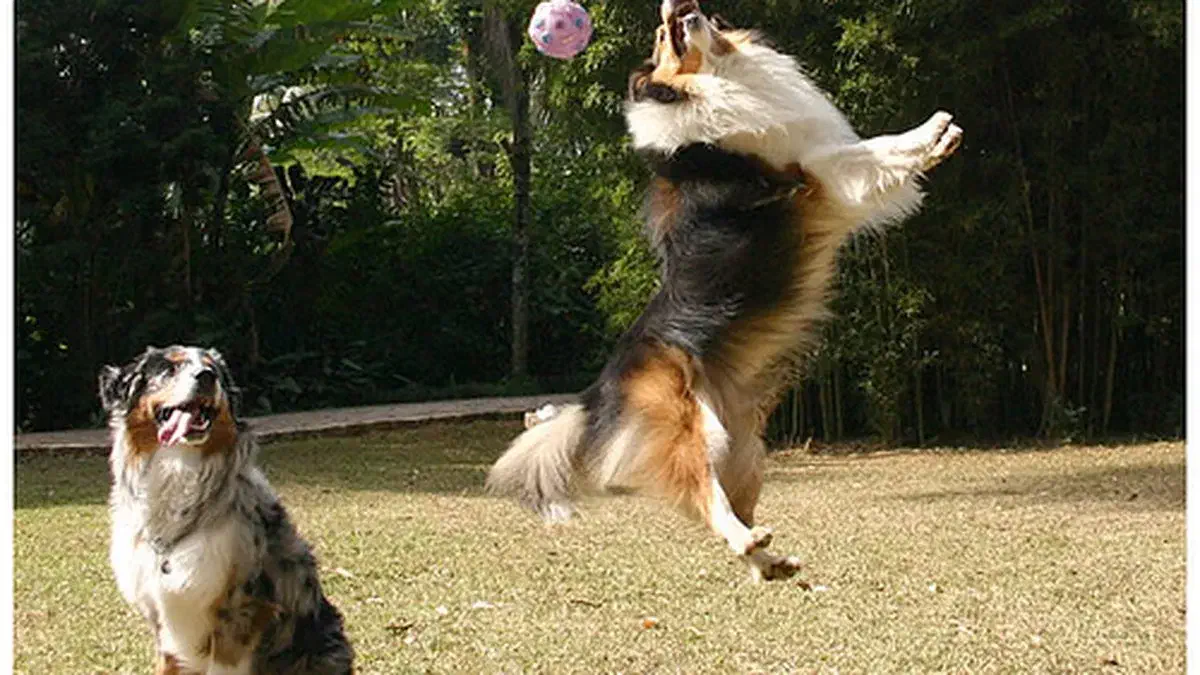
The Sheltie was developed on the Shetland Islands north of Scotland, where harsh weather and scarce resources meant everything came in miniature — tiny sheep, tiny ponies, and a compact herding dog to manage them. They’re not directly descended from Rough Collies but share common ancestry. The modern Sheltie was refined with Collie crosses in the early 20th century, which is why they look like miniature Lassies.
The breed ranks 6th in Stanley Coren’s dog intelligence rankings — ahead of Labrador Retrievers and Papillons. A Sheltie can learn a new command in fewer than 5 repetitions and obeys known commands 95% of the time. That’s PhD-level canine intelligence.
Temperament: Sensitive Genius #
Shelties are brilliant, sensitive, and eager to please. They want to do the right thing so badly that harsh corrections genuinely wound them. Positive reinforcement is the only training approach that works — yell at a Sheltie and you’ll get a dog that shuts down, not one that tries harder.
With family, they’re deeply loyal but can be reserved with strangers. A Sheltie won’t run up to guests for belly rubs like a Golden Retriever — it’ll hang back, assess the situation, and warm up on its own terms. This wariness makes them decent watchdogs (they’ll definitely alert you to visitors) but not guard dogs.
The barking is legendary. Shelties were bred to bark while herding — it’s how they controlled sheep. A Sheltie who’s not trained to manage barking will bark at everything: doorbells, squirrels, wind, existential dread about the squirrel that was there yesterday.
Health #
Generally healthy with a 12–13 year lifespan. Key concerns: Collie Eye Anomaly (genetic, breeders should test), hip dysplasia, hypothyroidism, and dermatomyositis (Sheltie Skin Syndrome). The MDR1 gene mutation — sensitivity to certain drugs including ivermectin — is present in the breed. MDR1 testing is available and good breeders use it.
Grooming #
| Task | How Often |
|---|---|
| Brushing | 3–4× weekly (daily during shedding) |
| Bathing | Every 4–6 weeks |
| Nail trimming | Every 2–3 weeks |
| Professional grooming | Every 6–8 weeks (recommended) |
Exercise & Training #
45–60 minutes daily. Shelties need mental work as much as physical — agility, obedience, herding trials, trick training. A Sheltie with only walks will invent its own entertainment, usually involving barking. Training is a joy — they learn faster than almost any breed and genuinely light up when working with their person.
Who Should Get a Sheltie? #
Get a Sheltie if: you want a brilliant, trainable dog who’s deeply loyal, you’re committed to daily exercise and mental stimulation, and you can manage barking through training. Skip if: you want a silent dog, you can’t handle heavy shedding, you want a dog who’s instantly friendly with all strangers. Cost: $800–$2,000.
The Quick Summary #
Incredible: Top 10 canine intelligence, eager to please, excellent at dog sports, deeply loyal to family. Hard: Relentless shedding, barking is a full-time hobby without training, sensitive to harsh handling, wary of strangers.
Frequently Asked Questions #
Sheltie vs Border Collie — how different are they?
Are Shelties good apartment dogs?
Sheltie vs Rough Collie (Lassie dog)?
See also: Best Dogs for First-Time Owners
Similar Breeds #
| Breed | Compared to a Sheltie |
|---|---|
| Border Collie | More intense work drive, less barking, higher exercise needs |
| Australian Shepherd | Larger (40–65 lbs), more protective, similar herding intelligence |
| Pembroke Welsh Corgi | Shorter legs, more stubborn, equally vocal and smart |
| Golden Retriever | Far more outgoing with strangers, less vocal, sheds equally heavily |
| Cocker Spaniel | Lower intelligence, more affectionate with everyone, similar size |
Sources #
- AKC Shetland Sheepdog Breed Standard — size, weight, temperament
- OFA Breed Statistics — hip dysplasia, eye conditions (CEA), thyroid
- McMillan et al. (2024), Scientific Reports — breed lifespan data
- Puppy pricing based on 2025–2026 US breeder market data