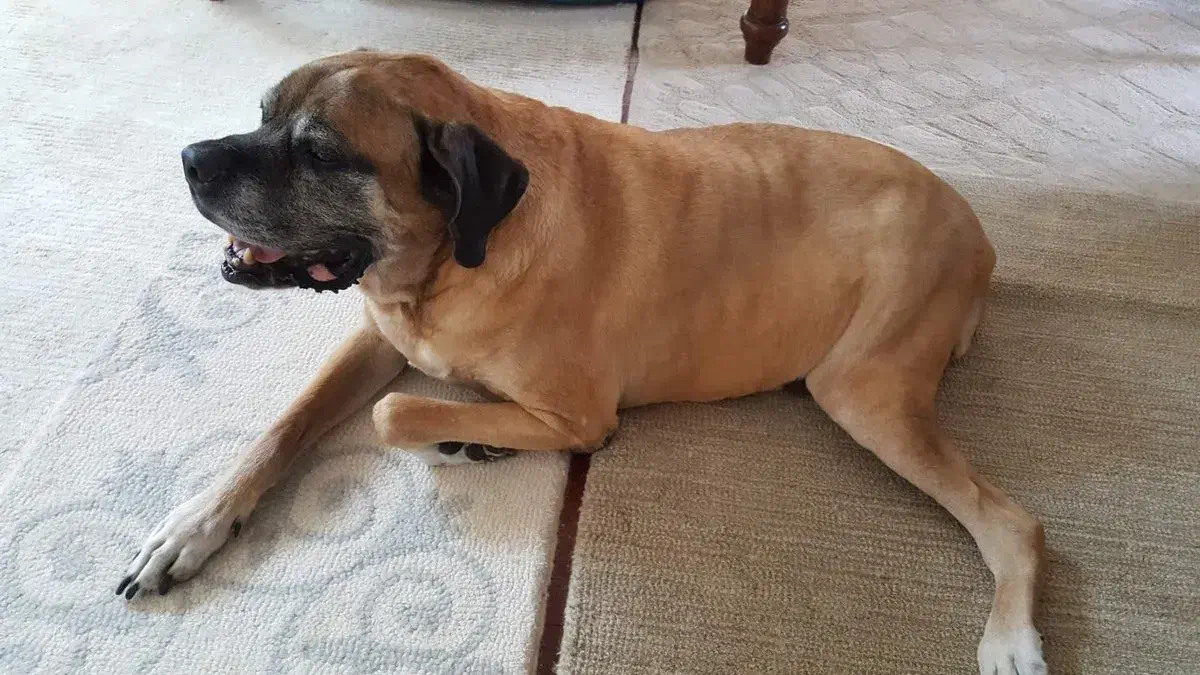

At a Glance #
History: The Original War Dog #
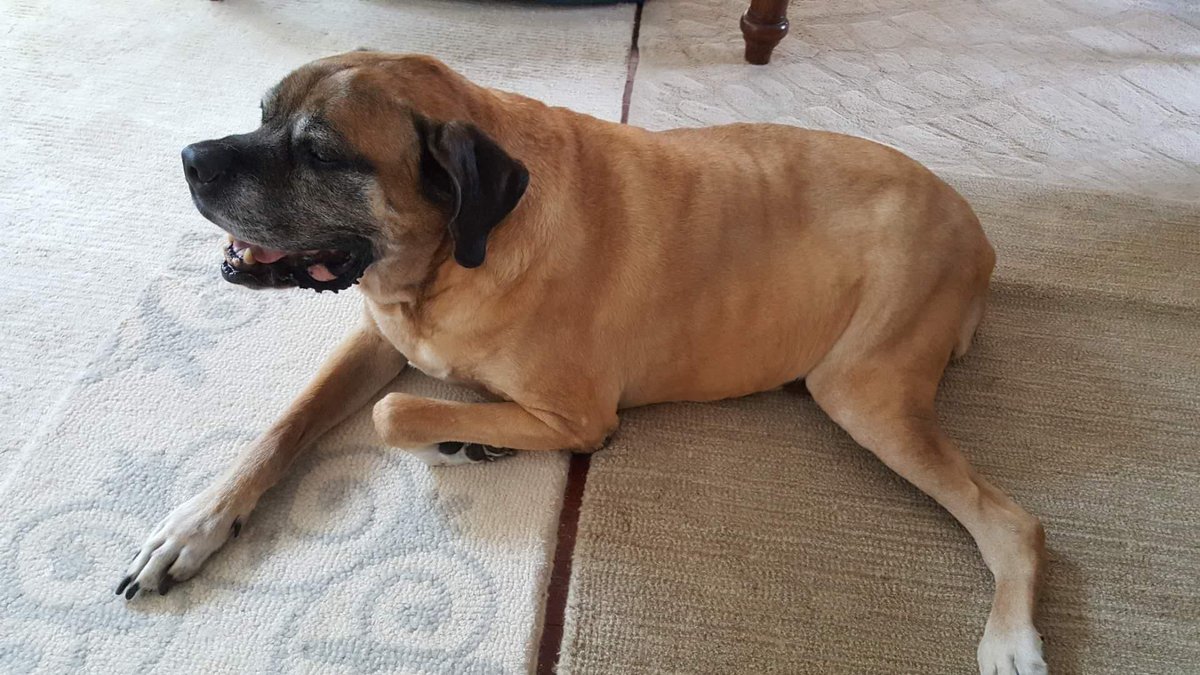
Mastiffs are among the most ancient dog breeds. Their ancestors were Molosser war dogs that marched with Assyrian armies and Roman legions. When Julius Caesar invaded Britain in 55 BC, he encountered enormous dogs fighting alongside Celtic warriors and brought some back to Rome, where they fought lions, bears, and gladiators in the arena.
In medieval England, Mastiffs guarded estates and were used in bull-baiting until Parliament banned blood sports in 1835. The breed nearly vanished. The World Wars devastated the remaining population — by the 1940s, fewer than a dozen existed in Britain. Recovery came through careful outcrossing with Saint Bernards and Bullmastiffs.
Today’s Mastiff retains the imposing size and protective instinct of its ancestors but none of the aggression. The AKC breed standard calls it “a combination of grandeur and good nature.”
Temperament: The Gentle Giant #
Mastiffs are naturally protective without being aggressive. They won’t bark or charge — they’ll simply place their massive body between their family and whatever concerns them, and wait. That silent presence is more effective than any alarm system.
With family, they’re incredibly gentle. A Mastiff will tolerate ear-pulling and tail-tugging from toddlers with saintly patience. They form deep bonds and follow their favorite human from room to room like a very large, very drooly shadow.
What this looks like in practice:
- Calm and quiet indoors — their ideal day is sleeping on the couch, eating, and sleeping again.
- Watchful without reactive. They notice everything but rarely act unless they perceive a genuine threat.
- Sensitive. Harsh treatment damages their trust permanently.
- Stubborn. They understand commands — they just need to decide it’s worth doing.
- Reserved with strangers. Early socialization prevents watchfulness from becoming suspicion.
Health: The Price of Giant #
| Condition | How Common | What To Know |
|---|---|---|
| Bloat (GDV) | High — #1 killer | Life-threatening stomach torsion; know the signs and get to an emergency vet immediately |
| Hip & Elbow Dysplasia | Very common | Genetic joint malformation; always verify OFA clearances on both parents |
| Dilated Cardiomyopathy | Moderate | Heart muscle weakens; annual cardiac screening recommended |
| Osteosarcoma | Moderate | Aggressive bone cancer; unexplained limping is the first sign |
| Cystinuria | Known in breed | Genetic kidney condition causing bladder stones; DNA test available |
| Obesity | Common | Excess weight crushes joints and shortens lifespan |
Bottom line on health: Buy from a breeder who provides OFA hip, elbow, and cardiac clearances, and tests for cystinuria. Learn bloat signs — distended abdomen, unproductive retching, restlessness — it kills in hours. Get pet insurance.
Exercise & Training #
Low exercise needs — 30–45 minutes of moderate daily activity is enough. Two short walks and some yard time is plenty. They’re not jogging partners or hiking companions. Forcing strenuous exercise on a growing puppy damages developing joints.
What works: gentle daily walks at Mastiff pace, free play in a fenced yard, mental stimulation through training and puzzle toys, swimming as low-impact exercise.
What doesn’t work: long runs or hikes (especially in heat), high-impact activities for puppies, expecting enthusiasm. They will comply. They won’t enjoy it.
Training #
Training is essential from puppyhood. A 20-pound puppy who jumps on people is cute. A 200-pound adult who does the same is a liability.
What works:
- Positive reinforcement — Mastiffs are sensitive and shut down under harsh corrections
- Short, consistent sessions — they bore easily and have a stubborn streak
- Early socialization (8–16 weeks) — a well-socialized Mastiff is calm; an unsocialized one at 200 pounds is dangerous
- Patience — they mature slowly, physically by age 2, mentally by 3–4
What doesn’t work: yelling or punishment (they’ll remember), inconsistency (if allowed on the couch today, it’s forever), rushing (push too hard and they’ll plant 200 pounds and refuse to move).
Grooming: Drool is a Lifestyle #
| Task | How Often |
|---|---|
| Brushing | Weekly (2–3x during shedding season) |
| Bathing | Every 6–8 weeks |
| Facial fold cleaning | Daily to every other day |
| Ear cleaning | Weekly |
| Nail trimming | Every 3–4 weeks |
| Drool management | Constant (not a joke) |
The short coat is easy — weekly brushing handles moderate shedding. The real challenge is the face. Deep facial wrinkles trap moisture and bacteria; clean and dry them daily to prevent painful infections.
And the drool. Mastiffs drool after eating, drinking, when hot, when happy, and sometimes for no reason. It’s thick, stretchy, and prolific. Keep towels in every room. If drool bothers you, this isn’t your breed.
Diet #
Adult Mastiffs need 6–8 cups of high-quality kibble daily, split into two or three meals. Never one large meal — multiple smaller meals reduce bloat risk. Puppies need giant-breed puppy food with controlled calcium to prevent too-rapid growth that stresses developing joints.
Non-negotiables: high-quality protein first, joint supplements starting at age 1–2, measured meals (no free-feeding), slow-feeder bowls to prevent gulping, no exercise for one hour before and after meals.
Never feed: chocolate, grapes, raisins (toxic), onions, garlic (damages red blood cells), xylitol (blood sugar crash), cooked bones (splinter), raw dough (expands in stomach).
Cost: $100–$150/month on food alone. Giant-breed kibble is expensive per bag and you go through it fast.
Who Should Get a Mastiff? #
Get a Mastiff if you want a calm, loyal family guardian who doesn’t need much exercise. They’re ideal for people who are home most of the day, families with older children, and anyone who appreciates a quiet, dignified companion. Get one if you have the budget for giant-breed expenses and can handle the drool, the shedding, and the short lifespan.
Skip the Mastiff if you want an active outdoor companion, you’re on a tight budget, you’re rarely home (they bond deeply and suffer from separation anxiety), drool makes you queasy, or you can’t handle a 6–10 year lifespan. Know this going in, and love them completely while they’re here.
Puppy cost: $1,000–$2,500 from a reputable breeder. Anything under $800 is a red flag — health testing is expensive, and breeders cutting corners on price are cutting corners on health.
The Quick Summary #
What’s incredible about Mastiffs:
- The ultimate gentle giant — patient with children, naturally protective without aggression
- Low exercise needs — a 30-minute walk and a nap is their ideal day
- Quiet and calm indoors, deeply loyal to their family
- Natural deterrent — their presence alone discourages unwanted visitors
What’s hard about Mastiffs:
- Devastatingly short lifespan (6–10 years) — the hardest part
- Everything costs more: food, meds, beds, insurance, vehicles
- Copious, constant, life-encompassing drool
- Requires early training because 200 pounds of untrained dog is a liability
- Bloat risk requires constant vigilance and dietary management
Frequently Asked Questions #
Mastiff vs Great Dane — which giant breed?
Are Mastiffs good guard dogs?
How much does a Mastiff puppy cost?
Do Mastiffs drool really that much?
Can Mastiffs live in apartments?
How do I prevent bloat in my Mastiff?
When do Mastiffs stop growing?
See also: Best Guard Dogs That Protect Your Family
Similar Breeds #
If you love Mastiffs, also check out:
| Breed | Compared to a Mastiff |
|---|---|
| Great Dane | Taller, leaner, goofier. Similar gentle personality and short lifespan |
| Bullmastiff | Lighter (100–130 lbs), more agile, bred specifically for guard work |
| Rottweiler | More energy, stronger guarding drive, slightly longer lifespan (8–10 years) |
| Bernese Mountain Dog | Similar gentle temperament, longer coat, even shorter lifespan (6–8 years) |
| Saint Bernard | Similar size, even more drool, longer coat, originally a rescue breed |
Sources #
- AKC Mastiff Breed Standard — size, weight, temperament
- OFA Breed Statistics — hip dysplasia, elbow dysplasia, bloat (GDV)
- McMillan et al. (2024), Scientific Reports — giant breed lifespan data; Mastiff median 9.0 years
- AKC Mastiff Health — cystinuria, cardiac conditions
- Puppy pricing based on 2025–2026 US breeder market data