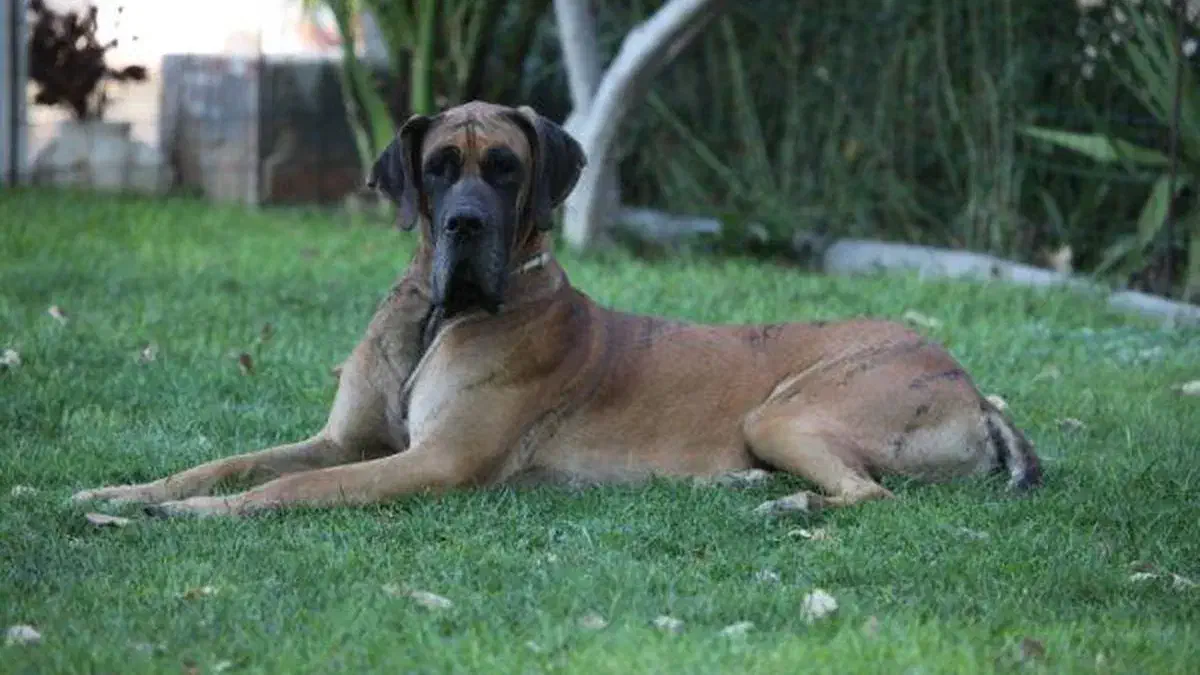

At a Glance #
History: The Apollo of Dogs #
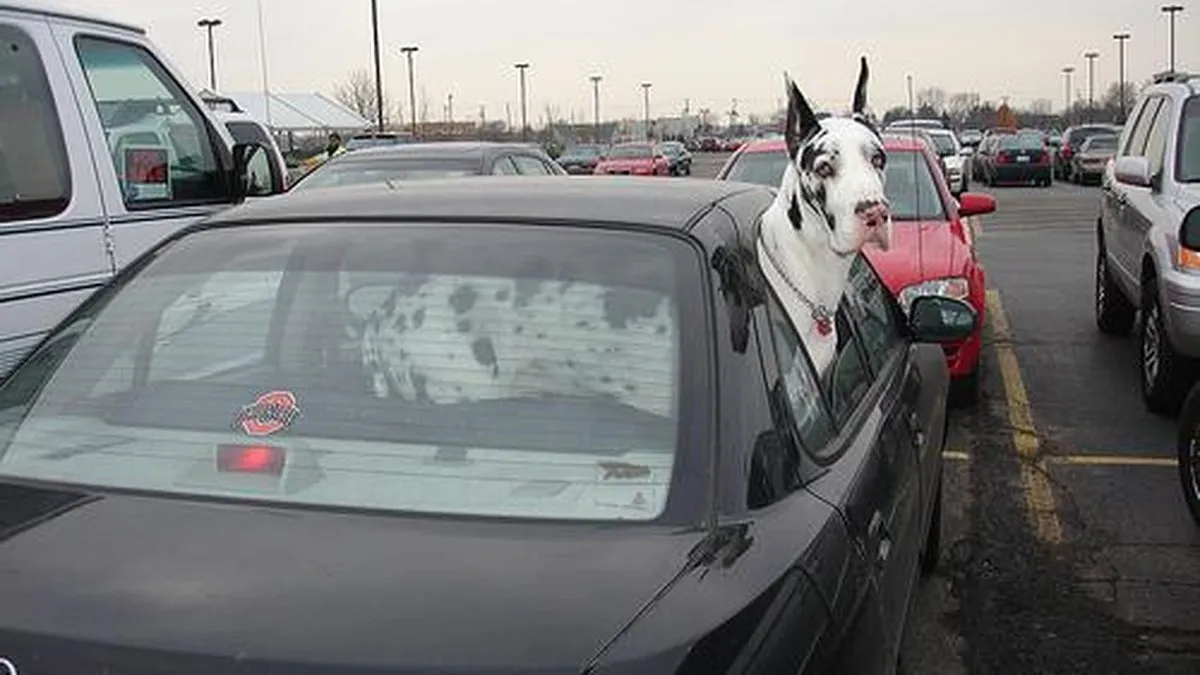
Despite the name, Great Danes are not Danish. The breed was developed in Germany over 400 years ago, bred from crosses between English Mastiffs and Irish Wolfhounds. The goal was a powerful boar-hunting dog — fast enough to chase wild boar through dense forest, strong enough to hold the animal at bay until hunters arrived. These early “German Mastiffs” were ferocious, aggressive dogs bred for a dangerous job.
By the late 1800s, German breeders transformed the breed. Selective breeding shifted the temperament from aggressive hunter to gentle companion. The name “Deutsche Dogge” (German Mastiff) stuck in Germany, but the English-speaking world knew them as Great Danes — a name that traces back to a French naturalist who, in the 1700s, mistakenly called similar dogs “Grand Danois.” The Germans are still annoyed about it.
The AKC recognized the Great Dane in 1887, making it one of the earliest recognized breeds. Today, the Great Dane consistently ranks in the top 20 most popular breeds in the United States. The breed holds the world record for the tallest dog ever — a Dane named Zeus stood 44 inches at the shoulder and measured 7 feet 4 inches on his hind legs.
Temperament: A 150-Pound Lap Dog #
Great Danes are the consummate gentle giant. They’re affectionate, patient, and deeply bonded to their families. They move through the world with a calm confidence that’s disarming — a dog this size could easily be intimidating, but a well-bred Dane is about as threatening as a couch cushion.
With children, they’re wonderful. A Dane will tolerate ear-pulling, tail-tugging, and being used as a horse with the patience of a saint. Their natural gentleness makes them one of the best giant breeds for families. However, their sheer size demands supervision around small children — an excited Dane can accidentally knock a toddler over with a single tail wag.
With other dogs, Danes are generally friendly and non-aggressive. They do well in multi-dog households, especially if socialized early. They’re not particularly dominant or territorial, though intact males can sometimes be assertive with other large males.
With strangers, Danes are typically reserved but polite. They’ll alert-bark when someone approaches but warm up quickly once they sense no threat. Their size alone is a powerful deterrent — most people don’t need a Great Dane to be aggressive to feel intimidated.
The Velcro factor. Great Danes are deeply attached to their people. They want to be with you at all times — not in a neurotic way, but in a “I belong in whatever room you’re in” way. They’ll follow you from room to room, lean against your legs while you cook, and attempt to occupy your entire sofa. Separation anxiety can be an issue if they’re left alone for extended periods without training.
The personality. Danes are goofy. They’re clowns in a giant’s body — they’ll make silly faces, play-bow at inappropriate times, and generally act like they have no idea how large they are. Many Dane owners describe their dogs as “permanently adolescent” — they retain a playful, puppyish quality well into adulthood.
Health: The Price of Giant #
Great Danes have a heartbreakingly short lifespan — 7–10 years, with many not reaching 8. The giant breed comes with giant health risks, and bloat is the emergency every Dane owner must know about.
| Condition | How Common | What To Know |
|---|---|---|
| Bloat / GDV | Very high risk | #1 killer. Deep chest = highest risk breed. Prophylactic gastropexy recommended at spay/neuter. |
| Dilated Cardiomyopathy | Common | Enlarged heart. Can cause sudden death. Annual cardiac screening recommended. |
| Hip Dysplasia | Common | Genetic; always screen parents. OFA or PennHIP certification. |
| Osteosarcoma | Moderate | Bone cancer common in giant breeds. Often appears in limbs. Aggressive treatment needed. |
| Hypothyroidism | Moderate | Manageable with daily medication. Causes weight gain and lethargy. |
| Wobbler Syndrome | Less common | Cervical spine instability. Causes wobbly gait. Can require surgery. |
| Harlequin Deafness | Higher in harlequins | Harlequin-patterned Danes have higher risk of congenital deafness. BAER testing recommended. |
Bloat is the emergency you must know. Gastric dilatation-volvulus (GDV) occurs when the stomach fills with gas and twists, cutting off blood supply. Signs: distended abdomen, unproductive retching, restlessness, pacing, drooling. This is a life-threatening emergency — get to the vet immediately. A prophylactic gastropexy (tacking the stomach to the body wall) during spay/neuter surgery significantly reduces the risk. Every Dane owner should discuss this with their vet.
What you can do: Buy from a breeder who health-tests for cardiac, hip, and thyroid conditions. Get OFA clearances on both parents. Feed multiple small meals rather than one large one. Avoid vigorous exercise 30 minutes before and after meals. Get pet insurance — giant breed vet bills are proportionally giant.
Grooming: Low Maintenance, High Drool #
Great Danes have a short, smooth coat that’s about as low-maintenance as dog grooming gets. The trade-off is the drool — Danes are prolific droolers, and it gets on everything.
| Task | How Often |
|---|---|
| Brushing | Weekly |
| Bathing | Every 6–8 weeks |
| Ear cleaning | Weekly |
| Nail trimming | Every 2–3 weeks |
| Teeth brushing | 2–3 times per week |
| Drool management | Constantly — keep towels everywhere |
The drool. Danes drool after eating, drinking, exercising, or getting excited. Basically always. If you’re not prepared to find drool on your walls, ceiling, furniture, and clothing, this isn’t your breed. Many Dane owners keep a “drool towel” in every room. Some owners call it the “Great Dane decorating style.”
Shedding is moderate — a weekly brushing handles most of it. Danes shed more in spring and fall. A rubber curry brush or hound glove works best on their short coat.
Exercise & Training: Moderate Energy, Giant Brain #
Great Danes need 30–45 minutes of daily exercise. They’re not high-energy dogs — a couple of walks and some yard time keeps them content. They’re surprisingly well-suited to apartment living, as long as they get their daily outings.
What they enjoy:
- Two moderate walks daily — their primary exercise
- Play sessions in a fenced yard — they love to zoom (awkwardly)
- Short hikes — they can handle moderate terrain but aren’t endurance dogs
- Mental stimulation — puzzle toys, training games, nose work
- Couch time with their humans — this is genuinely their favorite activity
Puppy exercise is critical. Do not over-exercise Great Dane puppies. Their joints are developing, and damage from excessive exercise is permanent. No running on hard surfaces until at least 18 months. No jumping on and off furniture. No stairs if possible. Feed large-breed puppy food with controlled calcium to manage growth rate — too-rapid growth causes skeletal problems.
Training: Easier Than You’d Expect #
Daness are intelligent, eager to please, and highly food-motivated — making them one of the easier giant breeds to train. They respond beautifully to positive reinforcement and genuinely want to make you happy.
What works:
- Positive reinforcement with treats and praise
- Early socialization — expose them to people, dogs, sounds, and environments from puppyhood
- Gentle consistency — Danes are sensitive and don’t respond well to harsh corrections
- Puppy classes — essential for socialization and basic obedience
- Start early — a 150-pound dog that doesn’t know “sit” is a problem
What doesn’t work:
- Harsh corrections or yelling — Danes shut down and become fearful
- Repetitive drilling — they learn quickly but get bored
- Inconsistency — they’ll test boundaries if you let them
Most Danes master basic commands quickly. The challenge isn’t intelligence — it’s training a puppy that will eventually weigh more than a small adult human. Start obedience training on day one.
Diet: Giant Breed, Giant Appetite #
Adult Great Danes eat 6–10 cups of high-quality kibble per day, split into two or three meals. The exact amount depends on your dog’s weight, age, and activity level. Budget $100–150 per month for food alone.
Key dietary needs:
- High-quality protein as the first ingredient — named meat sources, not by-products
- Giant breed puppy formula — controlled calcium and phosphorus ratios are critical during growth
- Joint supplements (glucosamine/chondroitin) starting at age 1–2
- Fish oil for coat health and anti-inflammatory benefits
- Measured meals — never free-feed a Dane (increases bloat risk)
- Slow-feeder bowls — Danes inhale food and are prone to bloat
Growth rate matters. Great Dane puppies should grow slowly and steadily. Rapid growth increases the risk of hip dysplasia and other skeletal problems. Feed a giant breed puppy formula and follow your breeder’s feeding recommendations. Don’t supplement with extra calcium — it actually worsens skeletal development in large breeds.
Foods to never feed: chocolate, grapes, raisins, onions, garlic, xylitol, macadamia nuts, and cooked bones. Given the investment you’ve made in this dog, don’t risk it with table scraps.
Who Should Get a Great Dane? #
Get a Great Dane if:
- You want one of the sweetest, most affectionate giant breeds
- You have space for a dog that will take up an entire couch
- You can afford giant breed costs — food ($100–150/month), medications, vet bills
- You’re home often — Danes bond deeply and don’t do well alone
- You’re emotionally prepared for a 7–10 year lifespan
- You want a calm, low-energy companion that’s still playful and goofy
- You don’t mind drool on everything you own
Skip the Great Dane if:
- You can’t handle losing a dog in 7–10 years — this is the hardest part
- You’re on a tight budget — everything costs more with a giant breed
- You want a high-energy running or hiking companion
- You travel frequently — Danes don’t do well with long separations
- You have a very small car — Danes need a vehicle that fits them
- Drool bothers you — it will be everywhere, always
Cost: $1,000–$3,000 from a reputable breeder. Harlequin Danes typically cost more but have a higher risk of congenital deafness. Show-quality lines from health-tested parents can reach $4,000+.
The Quick Summary #
What’s wonderful about Great Danes:
- One of the gentlest, most affectionate giant breeds — a true family dog
- Surprisingly apartment-friendly — low exercise needs, calm indoors
- Goofy, playful personality — they’ll make you laugh daily
- Great with children (with supervision due to size)
- Easy to train — eager to please and food-motivated
- Low grooming requirements — short coat, minimal brushing
- Naturally protective without being aggressive — their size alone is a deterrent
What’s hard about Great Danes:
- Devastatingly short lifespan (7–10 years) — the defining heartbreak
- Everything costs more — food, medication, beds, cars, vet bills
- Bloat can kill in hours — must know the symptoms, consider gastropexy
- Prolific drool — on your walls, furniture, clothes, and ceiling
- Delicate puppy phase — no rough exercise until 18+ months
- Separation anxiety — they need their people around
Frequently Asked Questions #
Why are Great Danes called 'Great Danes' if they're from Germany?
Can Great Danes really live in apartments?
How can I prevent bloat in my Great Dane?
Are Great Danes good with kids?
How much does a Great Dane puppy cost?
How long do Great Danes live?
Do Great Danes drool a lot?
Similar Breeds #
If you love Great Danes, also check out:
| Breed | Compared to a Great Dane |
|---|---|
| Mastiff | Heavier (120–230 lbs), more laid-back, even more drool, similar lifespan |
| Irish Wolfhound | Taller, shaggier coat, even shorter lifespan (6–8 years), more independent |
| Bernese Mountain Dog | Shorter lifespan (6–8 years), longer coat, similar gentle temperament |
| Saint Bernard | Heavier, longer coat, even more drool, originally a rescue breed |
| Doberman Pinscher | Similar elegant build, much longer lifespan (10–12 years), higher energy |
Sources #
- AKC Great Dane Breed Standard — size, weight, temperament
- OFA Breed Statistics — hip dysplasia, dilated cardiomyopathy, bloat (GDV)
- McMillan et al. (2024), Scientific Reports — breed lifespan data for giant dogs
- Puppy pricing based on 2025–2026 US breeder market data