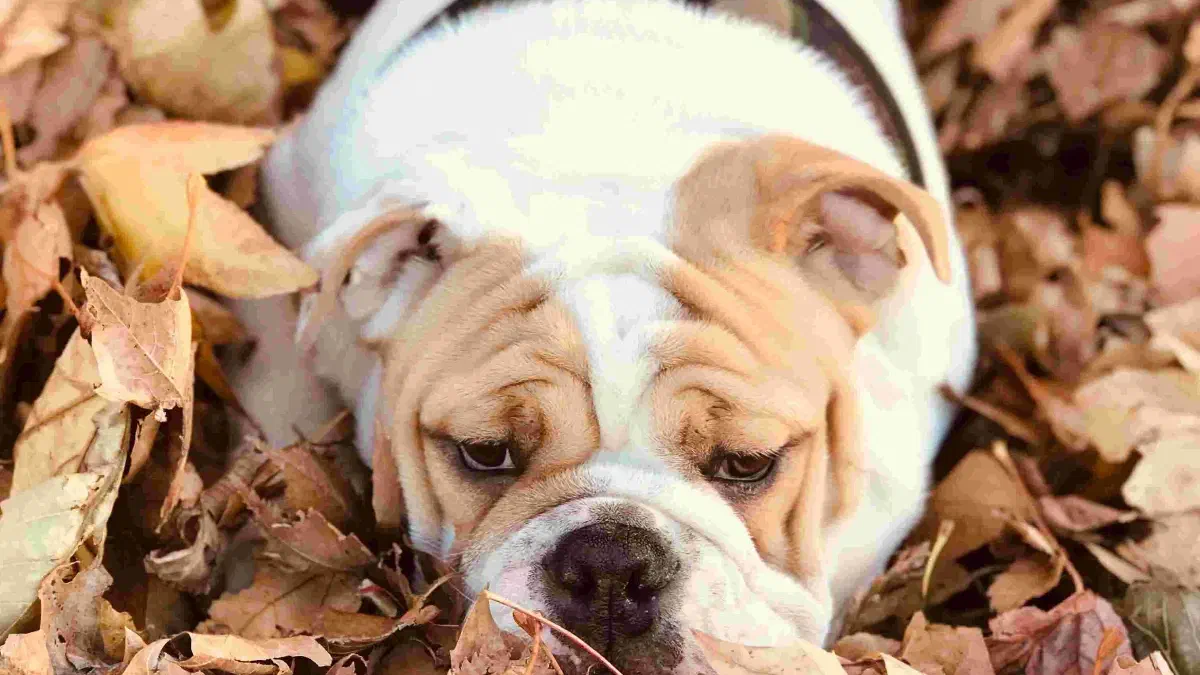

At a Glance #
History: From Bull-Baiting Rings to Living Room Thrones #
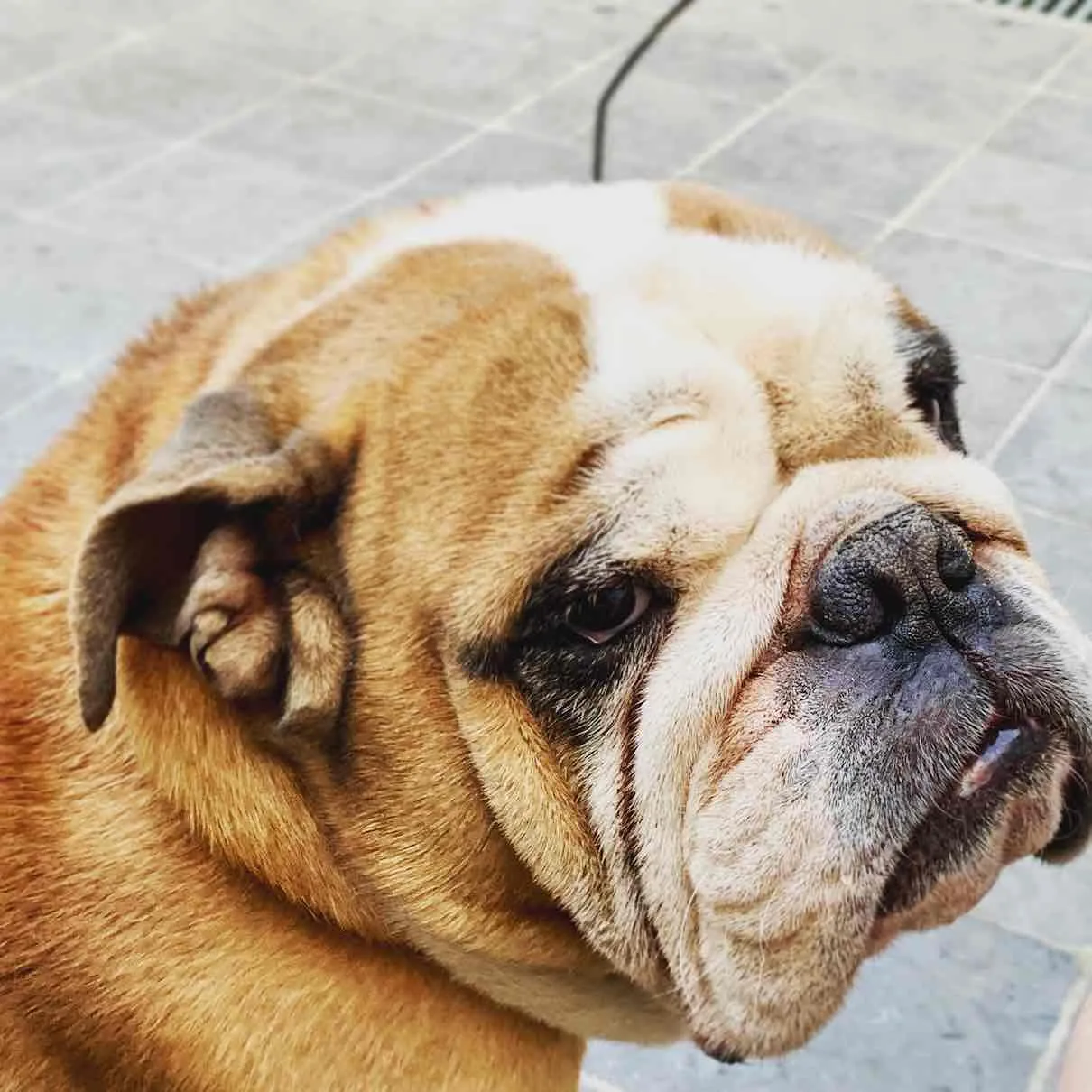
The original Bulldog was a taller, more athletic animal than the modern version — leaner, longer-legged, and significantly more aggressive. Breeding after the bull-baiting ban deliberately selected for a calmer, gentler temperament. Over the following 150 years, breeders also selected for increasingly exaggerated physical features: a flatter face, a wider body, shorter legs, and a more pronounced underbite. Each generation moved further from the athletic working dog and closer to the heavy, brachycephalic breed we recognize today.
The AKC recognized the English Bulldog in 1886, and they’ve been an American favorite ever since. They consistently rank in the top 5 most popular breeds. They’re the mascot of dozens of universities, the symbol of British tenacity, and the unofficial dog of anyone who values loyalty, courage, and sleeping 20 hours a day.
The breed’s popularity has come at a cost. The extreme physical features that make Bulldogs recognizable also make them among the unhealthiest breeds in existence. Every single modern Bulldog is born via C-section — their heads are too large for natural birth. Most are conceived via artificial insemination. The breed has become a flashpoint in the broader debate about responsible breeding and breed health reform.
Temperament: Gentle, Stubborn, and Hilariously Dignified #
Bulldogs are one of the most lovable breeds alive, and their personality is the reason people endure the health problems and vet bills. They’re gentle, patient, loyal, and possessed of a dignified stubbornness that’s genuinely funny.
With children, they’re outstanding. Bulldogs are endlessly patient with kids — they tolerate ear pulling, climbing, hugging, and general toddler chaos with remarkable calm. They rarely snap or show aggression toward children. Their stocky build means they’re sturdy enough for rough play without being so large they knock kids over. They’re one of the best family breeds, full stop.
With other dogs, they’re generally good but can be territorial. Early socialization helps. Bulldogs aren’t typically dog-aggressive, but they won’t back down from a confrontation — that bull-baiting heritage means they’re not wired to retreat. Male Bulldogs can be dominant with other males.
With strangers, they’re friendly but alert. A Bulldog will greet visitors warmly but will place themselves between their family and any perceived threat. They’re not aggressive guard dogs, but their appearance alone is a deterrent. They rarely bark unnecessarily — when a Bulldog barks, something is actually happening.
The stubbornness. Bulldogs are stubborn in a way that’s different from other stubborn breeds. A Husky is defiant — they know what you want and actively refuse. A Bulldog is more philosophical about it. They understand your command, consider it briefly, and then simply don’t see the point. Training is a negotiation. They’ll comply when they agree with your reasoning. This makes them moderately difficult to train — not impossible, but never quick.
They’re also surprisingly sensitive. Bulldogs bond deeply with their families and don’t do well when left alone for long periods. Separation anxiety is common. They want to be where you are, doing what you’re doing — which is mostly sitting.
Health: The Elephant in the Room #
Let me be direct: the English Bulldog is one of the unhealthiest breeds in existence. The features that define the breed — the flat face, the wrinkled skin, the screw tail, the wide body — are the same features that cause chronic health problems. This isn’t a matter of finding a “good breeder” — the health issues are inherent to the breed’s structure.
| Condition | How Common | What To Know |
|---|---|---|
| Brachycephalic Obstructive Airway Syndrome | Nearly universal | Stenotic nares, elongated soft palate, everted laryngeal saccules. Causes chronic breathing difficulty, snoring, and exercise intolerance. |
| Hip & Elbow Dysplasia | Very common | Malformed joints cause pain and mobility issues. Weight management is critical. |
| Skin Fold Dermatitis | Almost universal | Facial and body wrinkles trap moisture and bacteria. Daily cleaning is essential. |
| Cherry Eye | Common | Prolapsed third eyelid gland. Surgical correction usually needed. |
| Spinal Issues (Screw Tail) | Common | Corkscrew tail correlates with vertebral malformations. Can cause pain and paralysis. |
| Heat Intolerance | Universal | Cannot regulate temperature efficiently. Heatstroke is a life-threatening emergency. |
| Obesity | Very common | Low metabolism + low activity + love of food = weight gain. Exacerbates all other conditions. |
Bottom line on health: Every Bulldog owner needs pet insurance, a vet experienced with brachycephalic breeds, and a budget for significant veterinary expenses. BOAS surgery (widening the nares, shortening the soft palate) is common and often necessary. The average Bulldog owner spends $1,000–$5,000+ per year on veterinary care. Heat management is not optional — Bulldogs can die from heatstroke in temperatures that other breeds handle easily. Never exercise a Bulldog in warm weather. Walk at dawn or after sunset in summer.
Grooming: Easy Coat, High-Maintenance Face #
The English Bulldog’s short, smooth coat is genuinely easy to maintain. The wrinkles, skin folds, and facial features are another story entirely.
| Task | How Often |
|---|---|
| Brushing | Weekly |
| Wrinkle cleaning (face) | Daily — non-negotiable |
| Tail pocket cleaning | Daily to every few days |
| Bathing | Every 4–6 weeks |
| Nail trimming | Every 3–4 weeks |
| Teeth brushing | 2–3 times per week |
| Drool cleanup | Constant (keep towels everywhere) |
The face wrinkles are the biggest grooming commitment. Moisture, bacteria, and yeast thrive in those deep folds. If not cleaned daily, the skin becomes red, irritated, and infected. Use a damp cloth or vet-approved wipe, then dry thoroughly. The tail pocket — the fold beneath the screw tail — is equally prone to infection and needs regular cleaning.
The drool is legendary. Bulldogs drool after eating, after drinking, when they’re warm, when they smell food, and sometimes just because they exist. Your walls, furniture, ceiling (they shake their heads), and clothing will have a permanent slimy quality. Accept this or choose a different breed.
They also snore. Loudly. Every night. This isn’t a habit — it’s a structural consequence of their airways. If you’re a light sleeper, your Bulldog may need to sleep in another room.
Exercise & Training: The World’s Most Expensive Couch Potato #
Bulldogs need far less exercise than most breeds their size. A 15–20 minute walk once or twice a day plus some indoor play is sufficient. They’re not built for long walks, runs, or strenuous activity — their breathing limitations make any intense exercise potentially dangerous.
What they enjoy:
- Short, slow walks (sniffing everything)
- Indoor play — tug-of-war is a favorite
- Lying on the couch. This is their primary skill and passion.
- Being near you. Just existing in your general vicinity.
What they can’t do:
- Long walks, jogging, or hiking — they’ll overheat and collapse
- Swimming — they sink. Their heavy front end pulls them under. Never leave a Bulldog near water unsupervised.
- Exercise in warm weather — anything above 75°F is dangerous
- Stairs — many Bulldogs struggle with stairs due to joint issues
Training: A Negotiation, Not a Command #
Bulldogs are stubborn but not impossible to train. They’re food-motivated, which helps, but they also have a strong sense of when they’ve done “enough.”
What works:
- Food rewards — Bulldogs will do almost anything for a treat
- Short, positive training sessions — 5–10 minutes
- Consistency and patience — they learn slowly but they do learn
- Early socialization — expose them to people, dogs, and environments as puppies
What doesn’t work:
- Repetitive drilling — they’ll shut down after the third repetition
- Harsh corrections — they’re sensitive despite their tough appearance
- Expecting speed — housebreaking takes 4–6 months
- Off-leash training in unfenced areas — their recall is unreliable
Bulldogs are not obedience champions, but they can learn basic commands, house manners, and leash etiquette with consistent, patient training. Their stubbornness is part of their charm — you’re not training a working dog, you’re negotiating with a very small, very stubborn philosopher.
Diet: Feed Them Well, Keep Them Lean #
Bulldogs love food. They will eat everything you give them and then look at you like they’ve never been fed. Left to their own devices, they will eat themselves into obesity — which is catastrophic for a breed already struggling with joint problems, breathing issues, and cardiac stress.
Adult Bulldogs need 2–3 cups of high-quality kibble per day, split into two meals. The exact amount depends on your dog’s weight, age, and activity level. Most Bulldogs should eat at the lower end of this range.
Key dietary needs:
- High-quality protein as the first ingredient
- Measured portions — absolutely no free-feeding
- Joint supplements (glucosamine/chondroitin) to support their compromised joints
- Limited treats — account for them in daily calorie intake
- Slow-feeder bowls — Bulldogs inhale food and are prone to gas and bloating
- Consider a limited-ingredient diet if skin allergies develop (common in the breed)
Foods to never feed: chocolate, grapes, raisins, onions, garlic, xylitol, macadamia nuts, and cooked bones. Bulldogs are indiscriminate eaters who will consume anything within reach.
Who Should Get an English Bulldog? #
Get a Bulldog if:
- You want a gentle, patient family dog who’s wonderful with children
- You can commit to significant veterinary expenses — $1,000–$5,000+ per year
- You have air conditioning and will never exercise them in heat
- You find drool, snoring, and farting endearing rather than disgusting
- You’re home often — Bulldogs don’t do well alone
- You want a low-energy companion who’s happy to nap all day
- You can commit to daily wrinkle cleaning and ongoing health management
Skip the Bulldog if:
- You’re on a tight budget — this breed is expensive to own
- You live in a hot climate without reliable air conditioning
- You want a jogging or hiking partner
- You’re bothered by drool, snoring, and flatulence
- You want a long-lived companion — 8–10 years is the average
- You’re not prepared for ongoing medical management
- You want a breed that can naturally reproduce and give birth
The Quick Summary #
What’s wonderful about English Bulldogs:
- One of the best family dogs — patient, gentle, and outstanding with children
- Hilarious personality — genuinely funny, oddly dignified, endlessly entertaining
- Low exercise needs — perfect for apartments and sedentary owners
- Loyal and devoted — they love their families fiercely
- Calm and unshakeable — very little rattles a Bulldog
- Excellent watchdogs by appearance alone
What’s hard about English Bulldogs:
- Among the unhealthiest breeds — constant medical management required
- Short lifespan — 8–10 years, often less
- Extremely expensive to own — vet bills are significant and ongoing
- Cannot tolerate heat — heatstroke is a real and lethal risk
- Cannot swim — they sink
- Drool, snoring, and flatulence are constant companions
- Cannot breed or give birth naturally
- Daily wrinkle and skin fold cleaning is mandatory
Frequently Asked Questions #
Why do English Bulldogs have so many health problems?
Can English Bulldogs swim?
How much do English Bulldog puppies cost?
How hot is too hot for an English Bulldog?
Are English Bulldogs good with kids?
How long do English Bulldogs live?
Similar Breeds #
If you love English Bulldogs, also check out:
| Breed | Compared to an English Bulldog |
|---|---|
| French Bulldog | Smaller, more playful, similar health issues |
| Boston Terrier | Healthier, more athletic, less drool, longer lifespan |
| Boxer | Larger, more energetic, similar family devotion, fewer breathing issues |
| Pug | Similar snoring and flat face, smaller, equally stubborn |
| Olde English Bulldogge | Healthier, more athletic alternative with similar temperament |
Sources #
- AKC Bulldog Breed Standard — size, weight, temperament
- OFA Breed Statistics — hip dysplasia, BOAS, skin conditions
- McMillan et al. (2024), Scientific Reports — median lifespan 9.8 years; brachycephalic breeds median ~11.2 years
- Puppy pricing based on 2025–2026 US breeder market data