
At a Glance #
History: From French Aristocrats to Cartoon Dogs #
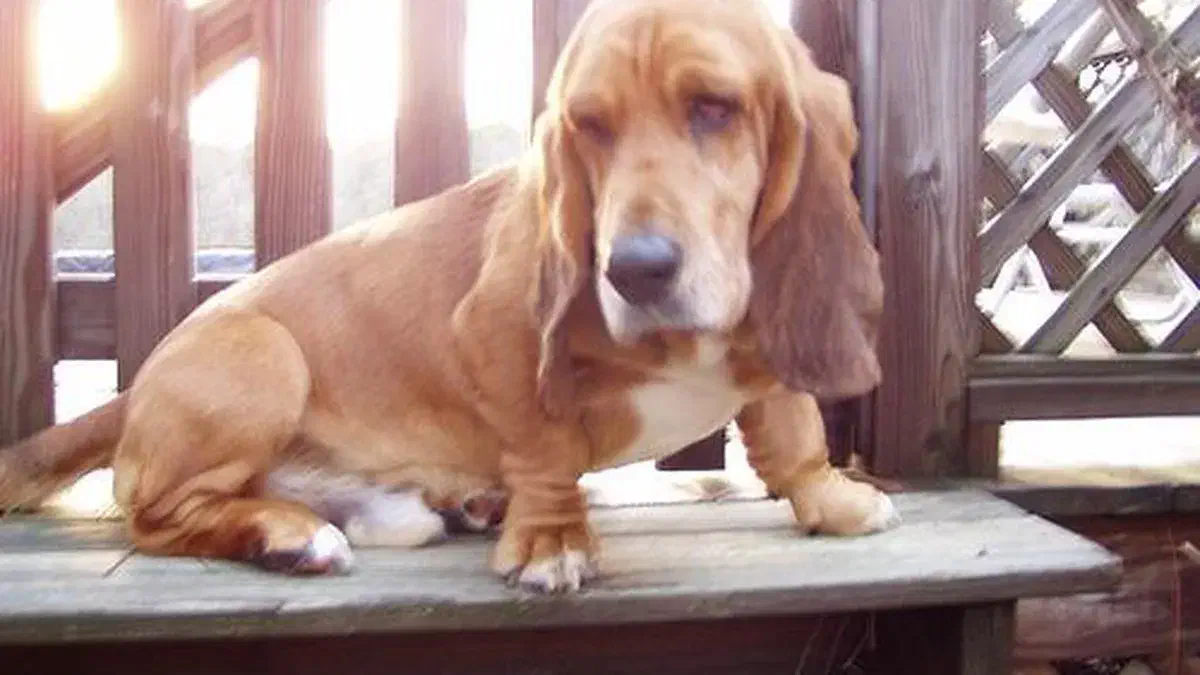
The breed’s modern form was refined in England during the 1800s after Lord Galway imported a pair from France. British breeders emphasized the heavy bone structure, loose skin, and exaggerated ears that define the Basset today. The AKC recognized the breed in 1885, and they’ve been a fixture of American dog culture ever since — boosted enormously by the Hush Puppies shoe brand mascot in the 1950s and the comic strip character Fred Basset.
What many people don’t realize is that Bassets were serious hunting dogs. Their extraordinary nose — second only to the Bloodhound — makes them one of the most effective scent-tracking breeds in the world. A Basset’s nose contains roughly 220 million scent receptors. Their long ears drag along the ground, sweeping scent molecules upward toward their nose. The wrinkles on their face trap scent particles. Every feature that looks comical was engineered for one purpose: following a trail.
The breed almost disappeared during World War II but was revived by dedicated breeders in both England and the United States. Today they’re primarily companion dogs, though their tracking instincts remain as sharp as ever.
Temperament: Patient, Stubborn, and Impossibly Lovable #
Bassets are the definition of low-key. They’re calm, easygoing, and perfectly happy to spend most of the day sleeping on the couch — preferably on your couch, whether you invited them or not. They’re affectionate without being clingy, content without being aloof.
With children, they’re outstanding. Bassets are endlessly patient with kids pulling ears, climbing on them, and generally treating them like living pillows. They rarely snap or show aggression — their tolerance seems almost infinite. This makes them one of the best family dogs for households with young children.
With other dogs, they’re equally excellent. Bassets are pack hounds at heart — they were bred to work in groups and they genuinely enjoy the company of other dogs. Two Bassets is better than one, and they’ll happily share space with dogs of any size or breed.
With strangers, they’re friendly but not fawning. A Basset will greet visitors with a slow tail wag and maybe a deep, resonant “woof” — more announcement than alarm. They’re terrible guard dogs. A burglar would get a tail wag and a hopeful look for treats.
The stubbornness. This is the thing nobody warns you about enough. Bassets are intelligent — they understand exactly what you’re asking. They just don’t see why they should comply. If a Basset catches an interesting scent, you cease to exist. They will follow that trail with absolute determination, and no amount of calling, bribing, or pleading will override their nose. This isn’t defiance in the way a Husky is defiant — it’s more like they’ve simply been absorbed into another dimension where your voice doesn’t reach.
They’re also vocal. The Basset bay is a deep, resonant, mournful sound that carries for blocks. It’s charming the first time. By the third time your neighbors mention it, the charm has worn off.
Health: Built Low, Built Fragile #
Bassets were designed with chondrodysplasia — a form of dwarfism that gives them their characteristic short legs. This same genetic trait creates a body shape that’s prone to several structural health problems. Keeping your Basset lean is the single most important thing you can do for their long-term health.
| Condition | How Common | What To Know |
|---|---|---|
| Intervertebral Disc Disease | Common | Long back + short legs = disc risk. No jumping. Use ramps. |
| Ear Infections | Very common | Long ears trap moisture. Weekly cleaning is non-negotiable. |
| Bloat (GDV) | Risk present | Deep-chested breed. Feed smaller meals; no exercise after eating. |
| Entropion / Ectropion | Moderate | Droopy eyelids can roll inward or outward. May need surgery. |
| Cherry Eye | Moderate | Prolapsed third eyelid gland. Surgical correction usually needed. |
| Skin Fold Infections | Common | Facial wrinkles need daily cleaning to prevent bacterial buildup. |
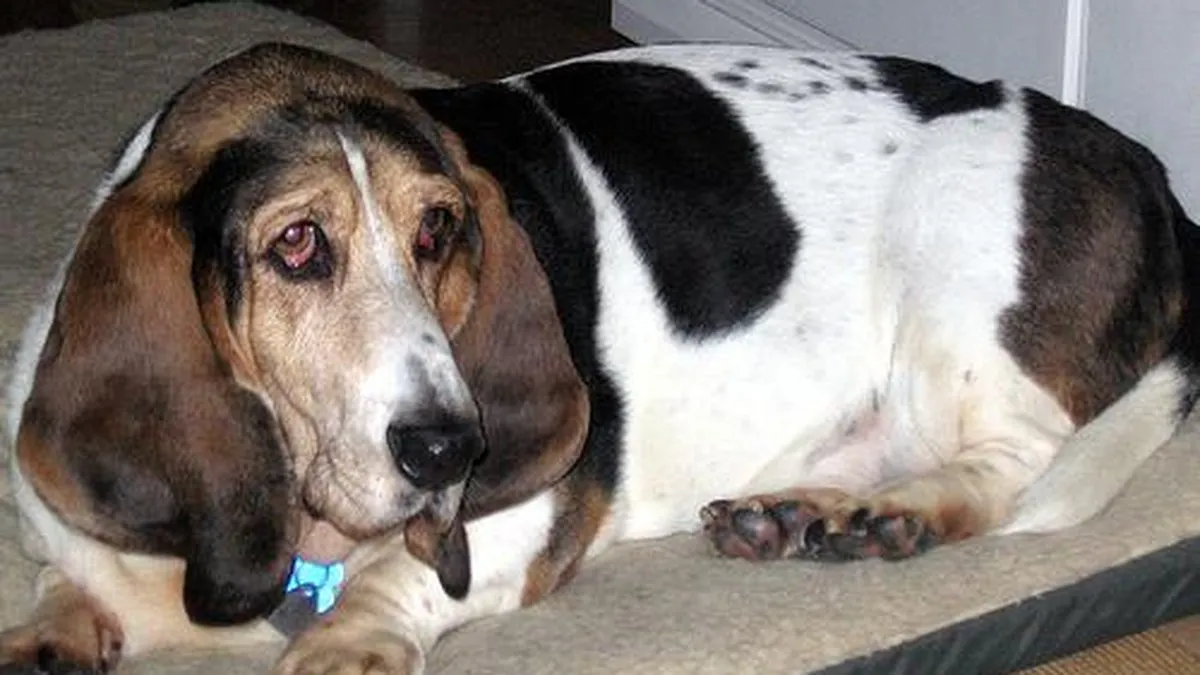
| Obesity | Very common | Low energy + food obsession = weight gain. Keep them lean. |
Bottom line on health: Bassets are structurally compromised in ways that are inherent to the breed. You can’t breed out the dwarfism — it’s the defining feature. What you can do is keep your dog at a healthy weight, prevent jumping, provide ramps for furniture, and stay on top of ear and skin care. Pet insurance is a good idea for this breed.
Grooming: More Than You’d Think #
Bassets have a short, smooth coat, but don’t let that fool you into thinking they’re low-maintenance. They shed more than most short-coated breeds, and their unique body creates grooming challenges that longer-haired dogs don’t have.
| Task | How Often |
|---|---|
| Brushing | 2–3 times per week |
| Ear cleaning | Weekly (minimum) |
| Wrinkle cleaning | Daily |
| Bathing | Every 4–6 weeks |
| Nail trimming | Every 3–4 weeks |
| Teeth brushing | 2–3 times per week |
| Drool cleanup | Constant (stock up on towels) |
The ears are the biggest grooming concern. Those long, floppy ears don’t just trap moisture — they drag through food bowls, water dishes, puddles, and anything else on the ground. Ear infections are the number-one reason Bassets visit the vet. Clean them weekly with a vet-approved solution, dry them thoroughly, and check for redness or odor daily.
The drool is real. Bassets drool after eating, after drinking, when they’re warm, when they smell food, and sometimes just because. Keep towels in every room. Accept that your walls, furniture, and clothing will have a permanent slimy sheen.
Exercise & Training: Low Energy, High Frustration #
Bassets need far less exercise than most breeds their size. Two 20–30 minute walks per day plus some yard time is usually sufficient. They’re not built for long runs or intense activity — their short legs and heavy bone structure make strenuous exercise uncomfortable and potentially harmful.
What they enjoy:
- Leisurely walks where they can sniff everything (and they will sniff everything)
- Scent work and nose games — this taps into their strongest instinct
- Short play sessions with other dogs
- Lying on the couch. This is their primary skill.
What they can’t do:
- Long hikes or jogging — their bodies aren’t built for it
- Off-leash walks in unfenced areas — if they catch a scent, they’re gone
- Agility or high-impact sports — bad for their backs
Training: Patience Is Not Optional #
Bassets are legendarily stubborn. They consistently rank among the most difficult breeds to train — not because they’re stupid, but because they genuinely don’t care what you want if something more interesting is happening.
What works:
- Food motivation. Bassets are deeply food-driven. High-value treats can sometimes override their nose. Sometimes.
- Short sessions. Five minutes of training, then a break. Any longer and they’ll simply walk away.
- Consistency. Same commands, same expectations, every single time.
- Patience. More patience than you think you have. Then more.
What doesn’t work:
- Harsh corrections. Bassets shut down when punished. They won’t learn — they’ll just avoid you.
- Off-leash recall training. It will never work reliably. Accept this.
- Expecting speed. Housebreaking takes 4–6 months. Basic commands may take weeks per skill.
Never let a Basset off-leash in an unfenced area. Their recall is among the worst of any breed. When their nose activates, you might as well not exist.
Diet: They’ll Eat Everything #
Bassets are food-obsessed. They will eat their meal, your meal, the cat’s meal, and anything they find on the ground during walks. Left to their own devices, they will eat themselves into obesity — which is especially dangerous for a breed already prone to back problems and joint issues.
Adult Bassets need 1.5–2.5 cups of high-quality kibble per day, split into two meals. The exact amount depends on your dog’s weight, age, and activity level. Most Bassets should eat at the lower end of this range.
Key dietary needs:
- High-quality protein as the first ingredient
- Measured meals — absolutely no free-feeding
- Joint supplements (glucosamine/chondroitin) to support their compromised structure
- Limited treats during training — account for them in daily calories
- Slow-feeder bowls — Bassets inhale food and are prone to bloat
Foods to never feed: chocolate, grapes, raisins, onions, garlic, xylitol (sugar-free gum), macadamia nuts, and cooked bones. Bassets are more likely than most dogs to find and eat these because they’ll eat literally anything they find on the ground.
Who Should Get a Basset Hound? #
Get a Basset if:
- You want a calm, patient family dog who’s great with kids
- You live in an apartment or don’t have space for a high-energy dog
- You have a sense of humor about drool, stubbornness, and baying
- You’re home often — Bassets are companion dogs who don’t like being alone
- You enjoy leisurely walks and don’t mind stopping every three feet for sniffing
- You can commit to weekly ear cleaning and daily wrinkle maintenance
Skip the Basset if:
- You want a dog who listens to you. They won’t. Not reliably.
- You need off-leash reliability. It’s not happening.
- You’re bothered by drool, shedding, and a deep, carrying howl
- You want a jogging or hiking partner
- You’re a neat freak — Bassets track mud, drool on everything, and shed constantly
- You’re impatient with slow training progress
The Quick Summary #
What’s wonderful about Bassets:
- One of the best family dogs — patient, gentle, and tolerant with children
- Low energy — perfect for apartments and less active owners
- Excellent with other dogs — true pack animals
- Hilarious personality — they’re genuinely funny dogs
- Calm and easygoing — great for a relaxed household
What’s hard about Bassets:
- Stubbornness beyond anything you’ve experienced — training is a marathon
- Drool, shedding, and a booming bay that carries for blocks
- Health issues from the dwarf body — back problems, ear infections, eye issues
- They cannot be trusted off-leash — ever
- They’ll eat anything and will become obese without strict portion control
- Ear infections are a constant battle
Frequently Asked Questions #
Are Basset Hounds good apartment dogs?
Can Basset Hounds be trained to come when called?
How much do Basset Hound puppies cost?
Do Basset Hounds drool a lot?
How long do Basset Hounds live?
Are Basset Hounds good with kids?
Similar Breeds #
If you love Basset Hounds, also check out:
| Breed | Compared to a Basset |
|---|---|
| Beagle | More energetic, less drool, equally stubborn, smaller |
| Bloodhound | Much larger, even more drool, even better nose |
| Dachshund | Similar dwarf body type, more feisty and territorial |
| French Bulldog | Similar low energy, much smaller, different health issues |
| English Bulldog | Similar drool and stubbornness, heavier, more health problems |
- Beagle vs Basset Hound — Two scent hounds, wildly different energy levels
Sources #
- AKC Basset Hound Breed Standard — size, weight, temperament
- McMillan et al. (2024), Scientific Reports — breed lifespan data
- Puppy pricing based on 2025–2026 US breeder market data