

At a Glance #
| Trait | Beagle | Basset Hound |
|---|---|---|
| Size | 20–30 lbs | 40–65 lbs |
| Lifespan | 12–15 years | 10–12 years |
| Coat | Short, dense, weatherproof | Short, smooth, dense |
| Shedding | Moderate | Moderate |
| Energy | High | Low to moderate |
| Trainability | Moderate (food-motivated) | Low (stubborn) |
| Good w/ Kids | Excellent | Excellent |
| Good w/ Strangers | Warm and friendly | Gentle, accepting |
| Barking | High (baying) | Low (but deep bay) |
| Cost | $600–$1,500 | $800–$1,500 |
The Question Everyone Asks #
They’re both scent hounds with floppy ears and sweet, soulful expressions. They were both bred to hunt in packs, so they’re unusually dog-friendly. And they both operate on a simple principle: nose says go, brain says yes. But one is a compact athlete and the other is a low-riding couch potato.
The Key Difference: Speed vs Gravity #
Beagles are compact, energetic hunters. At 20–30 pounds, they’re built for hours of active scent work — quick, agile, and surprisingly muscular under that cute exterior. A Beagle wants to move. Walks, hikes, scent games, puzzle toys — they need physical and mental engagement or they’ll find their own entertainment (usually involving food theft).
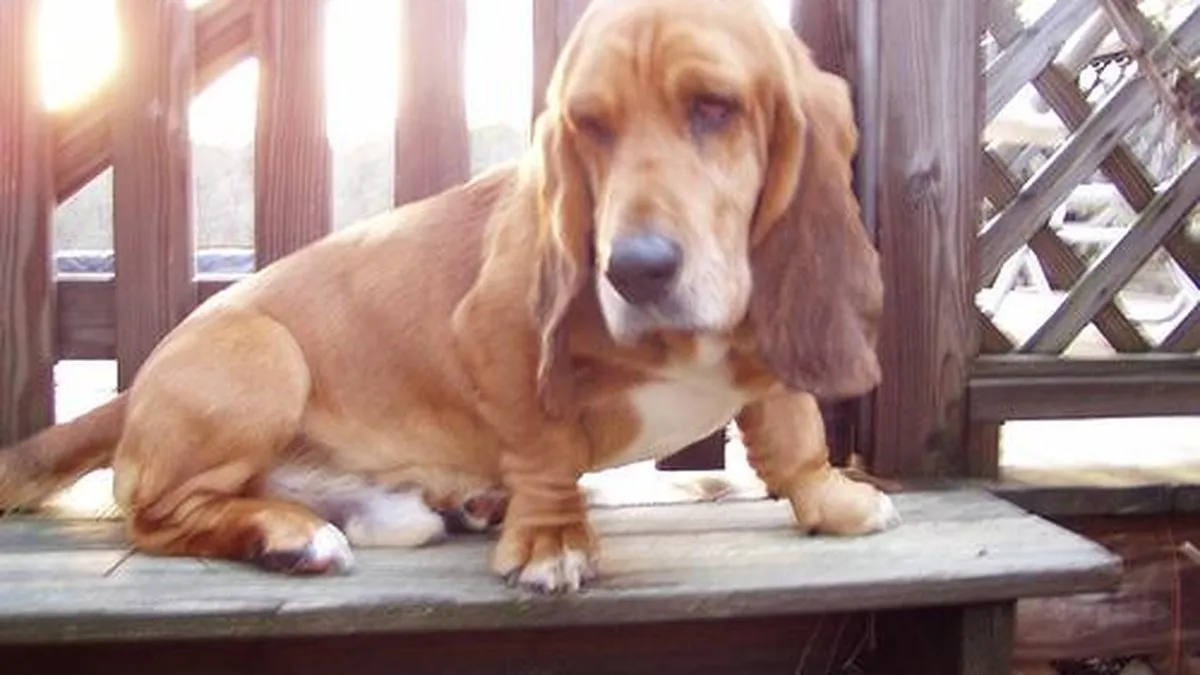
Basset Hounds are low-slung, gravity-bound philosophers. At 40–65 pounds with those iconic short legs, they move at exactly one speed: theirs. A Basset will happily sleep 16 hours a day and consider a walk around the block sufficient exercise. But don’t mistake low energy for low drive — that nose works perfectly, and a Basset who catches a scent will follow it with the same determination as any Beagle. It just does it more slowly.
Practical implication: If you want an active companion for hikes and outdoor adventures → Beagle. If you want a relaxed dog who’s happy with a short daily walk → Basset Hound.
Where They Differ #
Barking: Both Are Loud, But Different Loud #
| Beagle | Basset Hound | |
|---|---|---|
| Sound | High-pitched bay | Deep, resonant bay |
| Frequency | Very vocal | Less frequent but louder |
| Trigger | Anything exciting | Intruders, scent trails |
| Apartment-friendly? | Dubious | Possibly |
Beagles are famous for their baying — a musical, carrying bark that was bred to be heard across fields by hunters. Basset bays are deeper and less frequent, but when a Basset decides to speak, the whole neighborhood knows. Both are poor choices for apartments with thin walls.
Stubbornness: Two Flavors of “No” #
Both are scent hounds, which means both are stubborn. But the flavor is different. A Beagle’s stubbornness is opportunistic — if the nose is working, the ears are off. Food can usually win them back. A Basset’s stubbornness is philosophical — they’ve considered your request and decided it’s not worth getting up for. Food helps, but a Basset who doesn’t want to move simply won’t.
Maintenance: Beagles Are Easier #
Both have short, low-maintenance coats. But Basset Hounds come with extra chores: those long ears trap moisture and need weekly cleaning to prevent infections. Those droopy eyes and facial folds need regular wiping. And the drool — there’s no training for drool. Beagles are genuinely wash-and-wear by comparison.
Which Should You Get? #
Get a Beagle if: you want an energetic, portable-sized dog for an active lifestyle, you don’t mind some barking (okay, a lot of barking), and you have a sense of humor about food obsession.
Get a Basset Hound if: you want a calm, low-energy companion who’s happy to lounge all day, you don’t mind drool and ear cleaning, and you appreciate a dog with the comedic timing of a seasoned vaudevillian.
The Truth #
Both are pack-oriented, friendly, and genuinely love people and other dogs. Read our full guides: Beagle and Basset Hound.
Sources #
- AKC Beagle Breed Standard | AKC Basset Hound Breed Standard
- McMillan et al. (2024), Scientific Reports — breed lifespan data
- Puppy pricing based on 2025–2026 US breeder market data