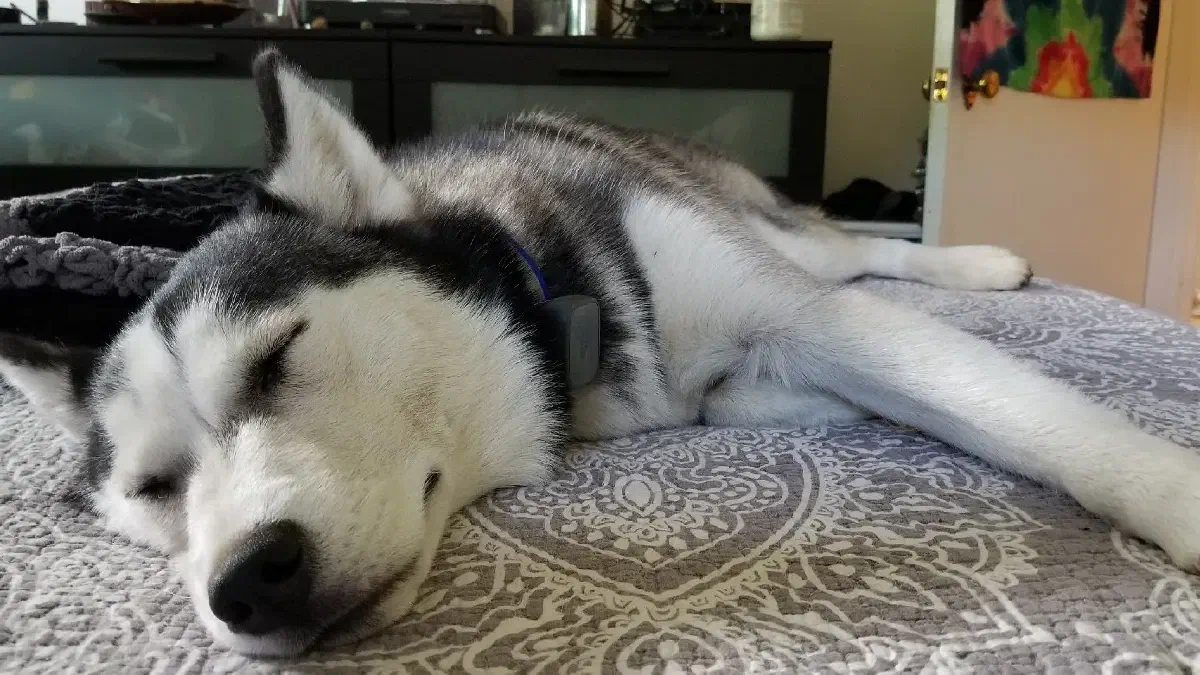

At a Glance #
| Trait | Siberian Husky | German Shepherd |
|---|---|---|
| Size | 35–60 lbs | 50–90 lbs |
| Lifespan | 12–14 years | 9–13 years |
| Coat | Double, thick, plush | Double, dense, medium |
| Shedding | Extreme (seasonal blowouts) | Heavy year-round |
| Energy | Very high | Very high |
| Trainability | Moderate (independent) | Extremely easy |
| Good w/ Kids | Good (supervise) | Good (supervise) |
| Good w/ Strangers | Loves everyone | Aloof, protective |
| Barking | Howls, rarely barks | Barks when alert |
| Cost | $800–$1,500 | $1,000–$3,000 |
The Question Everyone Asks #
Two of the most recognizable dogs on earth. Both are wolf-like, high-energy working breeds with thick coats and dramatic personalities. Both will destroy your house if under-exercised. Both are terrible choices for first-time owners who underestimate the commitment. But their personalities couldn’t be more different.
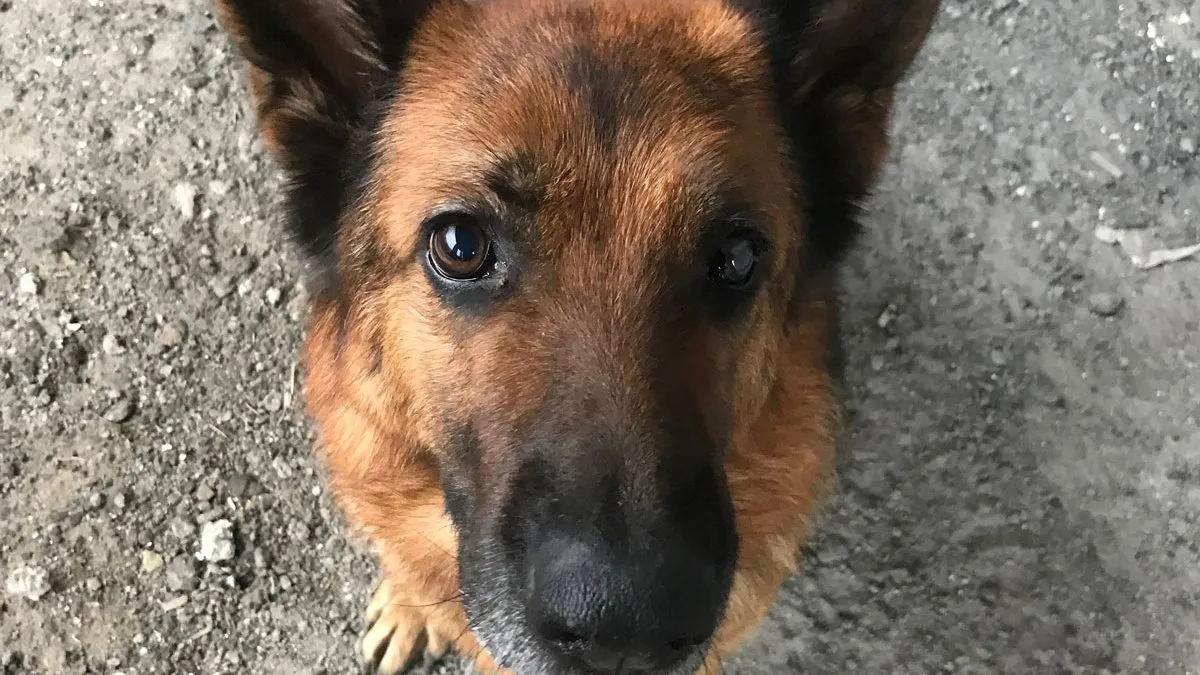
The Key Difference: Independent Thinker vs Obedient Partner #
Siberian Huskies are team players with an independent streak. They were bred to pull sleds across frozen tundra in teams, making split-second decisions about ice and terrain without human input. That independence is still there — a Husky will question every command, test every boundary, and escape from any yard that isn’t Fort Knox. They’re friendly to everyone (terrible guard dogs), dramatic (the famous Husky tantrums are real), and would rather pull than heel.
German Shepherds are handler-focused working dogs. They were bred to work in close partnership with a human — herding sheep, then police and military work. A GSD wants to know what you want and how to do it perfectly. This makes them incredibly trainable but also means they need a job. A bored GSD is an anxious GSD. They bond deeply to their family, are aloof with strangers, and take their protective role seriously — sometimes too seriously without proper socialization.
Practical implication: If you want a dog who will follow commands reliably and protect the house → German Shepherd. If you want a friendly, free-spirited dog who keeps you laughing → Husky.
Where They Differ #
Training: Opposite Ends of the Spectrum #
| Husky | GSD | |
|---|---|---|
| Obedience | “I’ll think about it” | “Yes, what’s next?” |
| Off-leash reliability | Never trust it | Possible with training |
| First-time owner? | No | With commitment |
| Stubbornness | Legendary | Low |
The obedience gap is the single biggest difference. A GSD will learn a command in 5 repetitions and perform it consistently. A Husky will learn it in 5 repetitions too — then decide whether today is a listening day.
Escape Artistry: Huskies Are Special #
Both breeds need secure fencing. But Huskies are escape artists on another level. They dig under fences, climb over them, and can squeeze through gaps you’d bet your house were too small. A 6-foot wooden fence is a starting point, not a guarantee. GSDs are more likely to patrol the perimeter than breach it.
Social Behavior: Everyone vs Family Only #
Huskies love all people. Delivery driver? New best friend. Burglar? New best friend with nicer stuff. GSDs are selective — they bond with their family and regard strangers with suspicion until proven otherwise. This makes GSDs effective guard dogs and Huskies useless ones.
Which Should You Get? #
Get a Husky if: you want a dog with a spectacular personality, you can handle training a dog who questions everything, you have a fortress-like yard, and you’re okay with howling instead of barking.
Get a German Shepherd if: you want a highly trainable, protective family guardian, you’re committed to serious exercise and mental stimulation, and you don’t need a dog who’s friendly to everyone.
The Truth #
Both are incredible dogs for the right owner — and terrible disasters for the wrong one. Neither belongs in an apartment with a 20-minute walk. Read our full guides: Siberian Husky and German Shepherd.
Sources #
- AKC Siberian Husky Breed Standard | AKC German Shepherd Dog Breed Standard
- OFA Breed Statistics — hip dysplasia, eye conditions
- McMillan et al. (2024), Scientific Reports — breed lifespan data
- Puppy pricing based on 2025–2026 US breeder market data